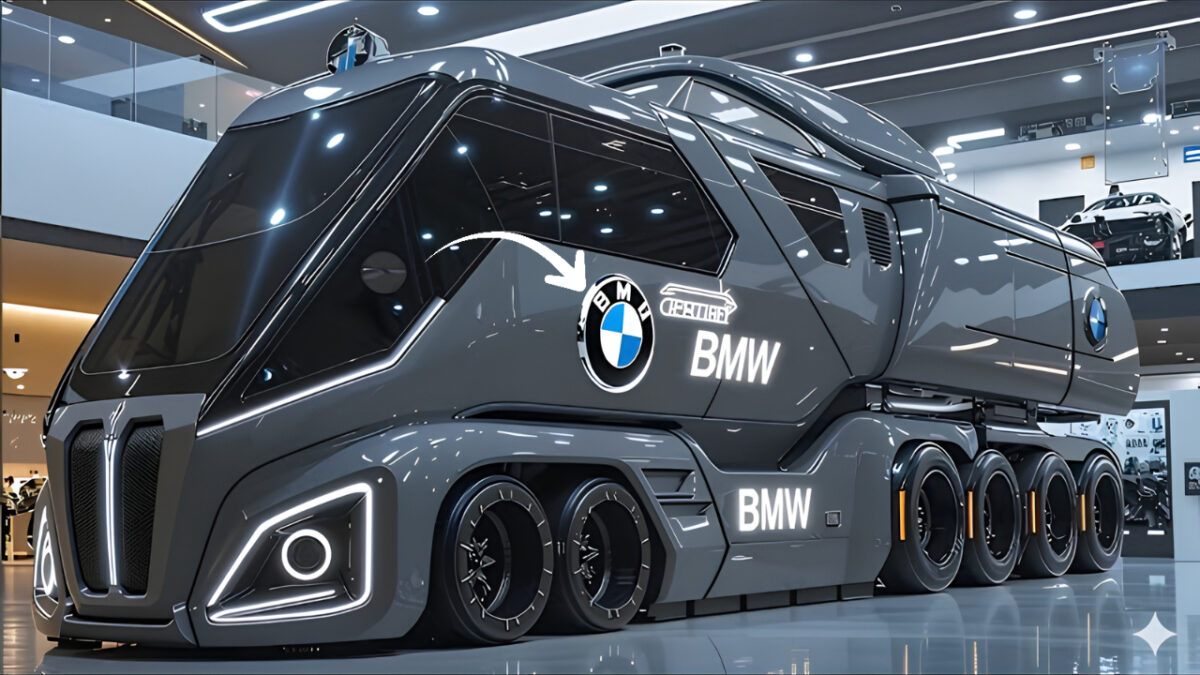
However, the most important detail is also the easiest to miss: BMW’s verified 2026 iX is a luxury electric SUV, not a factory-built recreational vehicle. Online motorhome stories therefore need careful reading.
For American shoppers, the real news concerns an updated electric SUV and the travel possibilities it offers, rather than a confirmed BMW camper launch.
Separating Online Claims From BMW’s Actual Vehicle
Several websites describe a BMW motorhome with living quarters, futuristic technology, and an electric platform. Their accounts do not tell a consistent story. One calls the vehicle a concept, while another describes a launch and planned deliveries.
Those differences matter because an illustration, an independent design proposal, and a production announcement are entirely different things. The available BMW information instead describes the iX’s electric drivetrain and SUV specifications.
Readers should treat claims about bedrooms, kitchens, or a North American motorhome rollout as unverified, not as established product news from BMW.
What the 2026 BMW iX Actually Offers
For the American market, the 2026 iX lineup includes the xDrive45, xDrive60, and M70 xDrive. Every version uses two electric motors and standard all-wheel drive. That gives buyers three distinct approaches to the same basic vehicle: an entry model, a more powerful middle option, and a performance-focused flagship.
None changes the iX into a motorhome. Its five-passenger layout remains central to its purpose. This is transportation designed around everyday usability and premium comfort, with enough versatility for vacations, rather than a vehicle built around permanent sleeping and household facilities.
More Power Across a Broader Lineup
The xDrive45 produces 402 horsepower, while the xDrive60 raises output to 536 horsepower. At the top, the M70 xDrive delivers up to 650 horsepower. These figures explain why the actual iX deserves attention without an invented recreational vehicle identity. Buyers can choose between different levels of performance while retaining the same broad SUV format.
For road trips, however, acceleration is only part of the picture. Passenger comfort, luggage space, charging stops, and the suitability of the chosen configuration deserve just as much attention as the headline power figure.
Driving Range Needs the Right Context
Range is especially important when a vehicle becomes associated with long-distance travel. Published coverage lists estimates reaching 312 miles for the xDrive45, 364 miles for the xDrive60, and 303 miles for the M70.
These should not be treated as guaranteed distances for every vehicle or journey. BMW notes that wheel and tire choices, driving style, accessories, traffic, temperature, and charging habits affect actual range.
For American travelers, the useful takeaway is straightforward: compare the specific vehicle being considered, then plan journeys around realistic conditions rather than the largest advertised number.
Charging Shapes the Road Trip Experience
An electric vacation has a different rhythm from a gasoline-powered journey. The iX supports DC fast charging, with published technical information listing a maximum of 195 kW for relevant configurations.
That figure describes charging capability, not a constant rate throughout every stop. Travelers should avoid building an itinerary around the assumption that every charger will deliver identical results.
The more practical approach is to consider charging access alongside meal breaks and overnight accommodation. That makes charging part of the travel plan instead of an unwelcome surprise between destinations on a long route.
A Comfortable Cabin, Not a Mobile Apartment
Inside, the iX offers the features expected of a modern luxury SUV. Its dashboard pairs a 14.9-inch infotainment display with a 12.3-inch digital instrument cluster, and Apple CarPlay and Android Auto are standard.
Available equipment includes a panoramic roof with electrochromic shading and an upgraded Bowers & Wilkins sound system. Those details can make long journeys more enjoyable, but they are not evidence of an integrated camper interior.
A refined seating area remains different from a living compartment equipped for cooking, washing, sleeping, and storing the supplies needed for extended stays.
Cargo Space Adds Genuine Vacation Flexibility
The iX does have useful room for travel equipment. Edmunds lists 35.5 cubic feet of cargo capacity behind the seats, alongside accommodation for five occupants.
That creates possibilities for carrying suitcases, outdoor clothing, and selected camping supplies without pretending the SUV includes residential facilities. Space requirements will still depend on how many people are traveling and what they bring.
The distinction is worth preserving: carrying a tent and heading to a campground is one kind of adventure; buying a self-contained motorhome is another. The iX belongs to the former conversation.
Towing Is a Separate Consideration
Published specifications rate the iX to tow up to 3,500 pounds when equipped with the optional tow hitch. That introduces another possible travel use, but it does not establish that every camping trailer is suitable.
The specific vehicle, its equipment, and the loaded trailer all matter. Towing also needs to be considered separately from the SUV’s advertised solo driving range.
For buyers attracted by motorhome headlines, this is the more grounded question: whether the actual iX fits their passengers, equipment, route, and intended trailer, rather than an imagined factory camper.