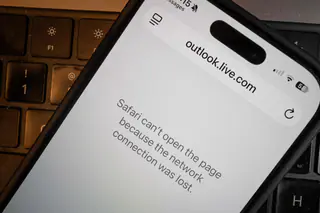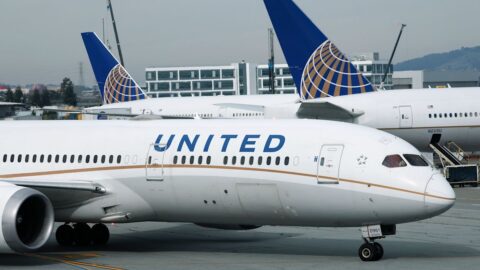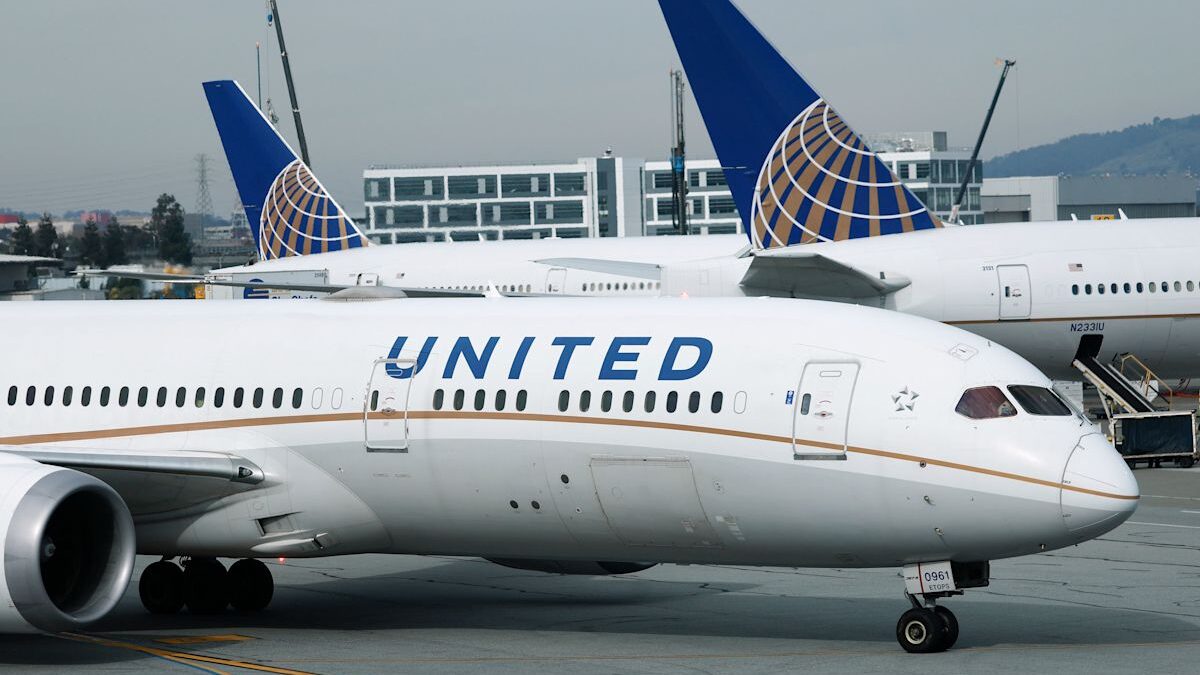
United Airlines restricts AI agents from booking flights, Digi Mart USA News: United Airlines is restricting how customers can use artificial intelligence to book their flights, the company announced on Wednesday, Nov. 11. The airline said protecting travelers’ privacy and data was the reason for the decision.
In a statement, United said that sharing account credentials with “personal, third-party AI assistants can expose sensitive information, and actions taken by these tools may result in unintended purchases, account changes or use of MileagePlus miles.”
The airline also noted that automated AI actions may violate Federal Aviation Administration and Department of Transportation regulations. It cited, as an example, the requirement that travelers acknowledge their bags do not contain “banned substances like explosives,” which an AI agent cannot legally confirm.
“As a result, United is taking steps to restrict access — directly within our digital platforms and indirectly via travel agencies and aggregators — to prohibit use by unauthorized, third-party personal AI agents or assistants,” the airline said.
United also updated its Digital Trust Center with further details on how travelers should and should not use AI agents when planning travel. The airline told Travel Weekly it will honor any bookings made with an AI agent before Nov. 11.
United is not the only airline responding to the rise in AI agent flight bookings. JetBlue president Marty St.
George said on Nov. 11 that he is aware customers are booking with AI agents and that, while it may lead to additional costs for the airline, he believes it should adapt, Reuters reported.
Delta’s policy states that while customers may use third-party agents if they choose, they remain responsible for what the AI agent does. Delta also has the right to block or reject agents or transactions on its website.
A representative for American Airlines told Fast Company that while some AI tools can facilitate the purchase of American Airlines tickets, the airline actively monitors traffic across its website and app and “can investigate, manage or block automated traffic when necessary to protect our customers and their experience.”
In October, Southwest launched a ChatGPT plug-in that helps customers shop for flights, though they must complete booking on the Southwest website.
Consumer advocates told Yahoo Travel it is best to avoid booking a flight with an AI agent, regardless of the airline. Christopher Elliott, a consumer advocate and founder of The Elliott Report, said “AI agents still make mistakes” and that they “can book the wrong dates or misread a fare rule.” He also said he is worried it will be hard for airlines to enforce the rule, noting that United’s updated contract of carriage lets it cancel a reservation made or changed by an AI agent, which could leave a passenger who booked through a travel site without knowing it with no seat at the airport.
Michelle Couch-Friedman, founder of consumer advocacy website and organization Consumer Rescue, told Yahoo Travel it is best to rely on a travel adviser instead. “Professional travel advisers typically carry errors and omissions insurance to protect against mistakes — AI does not,” she said.