E-Motiv two-speed seamless powershift transmission for electric motorcycles, Digi Mart USA News: Electric motorcycles are very good at producing power, but not always at using it well across different riding conditions. Most rely on a single-speed transmission, using the broad torque of an electric motor to handle everything from pulling away at traffic lights to highway cruising.
That simplicity brings maintenance advantages. There is no clutch, no complicated gear-shifting mechanism, and fewer moving parts to wear out or require periodic attention.
This means fewer potential failure points and generally lower cost for the machine.
British engineering firm E-Motiv Shift Systems is looking to combine the two approaches with its new two-speed seamless powershift transmission, shown at EICMA 2026. The company says the system could give electric motorcycles gears without the usual interruption in power delivery, offering shorter gearing off the line and taller ratios when the road opens up.
The system builds on technology originally developed by Zeroshift for combustion-powered applications almost 25 years ago, which later entered MotoGP in 2015 through Aprilia Racing. According to E-Motiv, the technology has since been associated with more than 30 podium finishes, including Aprilia’s 1-2-3 result at the 2026 British Grand Prix.
The approach uses specially designed dog-engagement rings that allow second gear to take over before first fully disengages. The next ratio is therefore already engaged and ready to take the load, eliminating the small delay in torque delivery typically seen during conventional gear changes.
E-Motiv says manufacturers would have considerable flexibility to tailor the transmission to different machines and riding styles, with shifting characteristics adjustable to suit the bike. That could mean smoother transitions for touring motorcycles or sharper responses for performance-focused machines.
The appeal extends beyond giving electric motorcycles a more familiar riding experience. With two ratios, the motor can be kept closer to its optimum operating range, offering stronger acceleration at lower speeds and potentially more efficient running at higher speeds.
The project has received a £1 million (approximately US$1.34 million) grant through the UK government’s Innovate UK Design and Build initiative. E-Motiv collaborated on the project with BSA, the University of Bath and the Institute of Advanced Automotive Propulsion Systems (IAAPS).
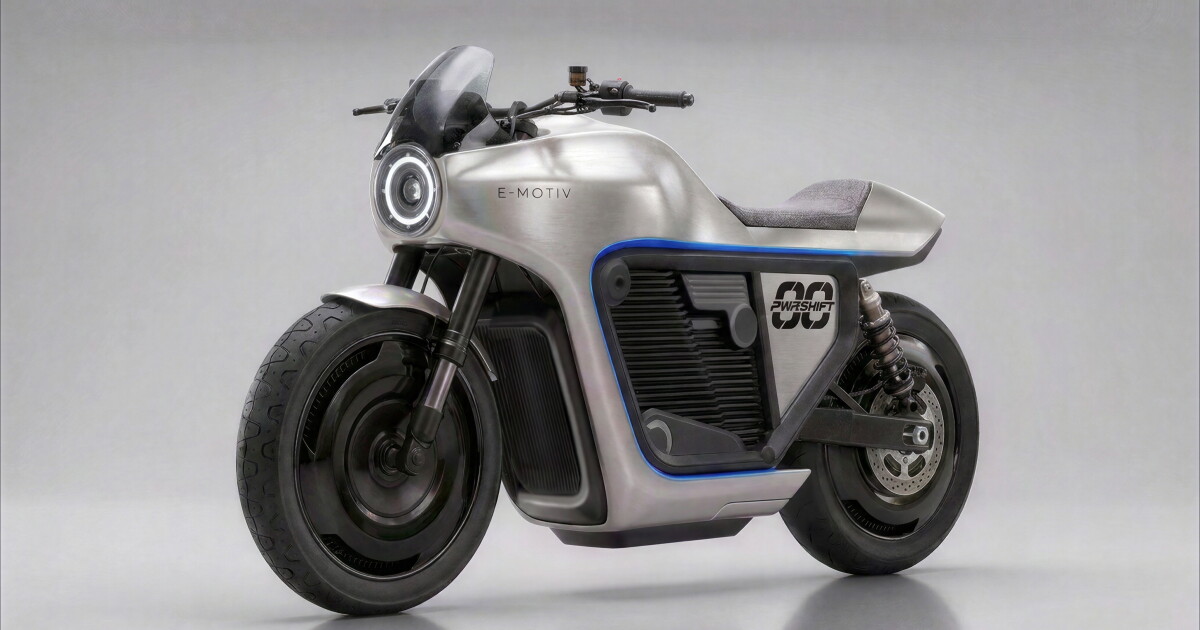
A prototype called the Demo 1, conceived by British design consultancy Envisage and being built by IAAPS, was displayed at this year’s EICMA. The publisher’s reviewer described it as a handsome motorcycle.
While motorcycles are the immediate focus, the publisher suggests a broader opportunity. Electric cars face the same compromise between quick off-the-line acceleration and efficiency at highway speeds.
A properly executed multi-speed setup could help address that, particularly in Western countries where long-distance highway driving is a larger part of everyday motoring. If seamless shifting proves reliable on motorcycles, four-wheeled electric vehicles could be the next frontier.