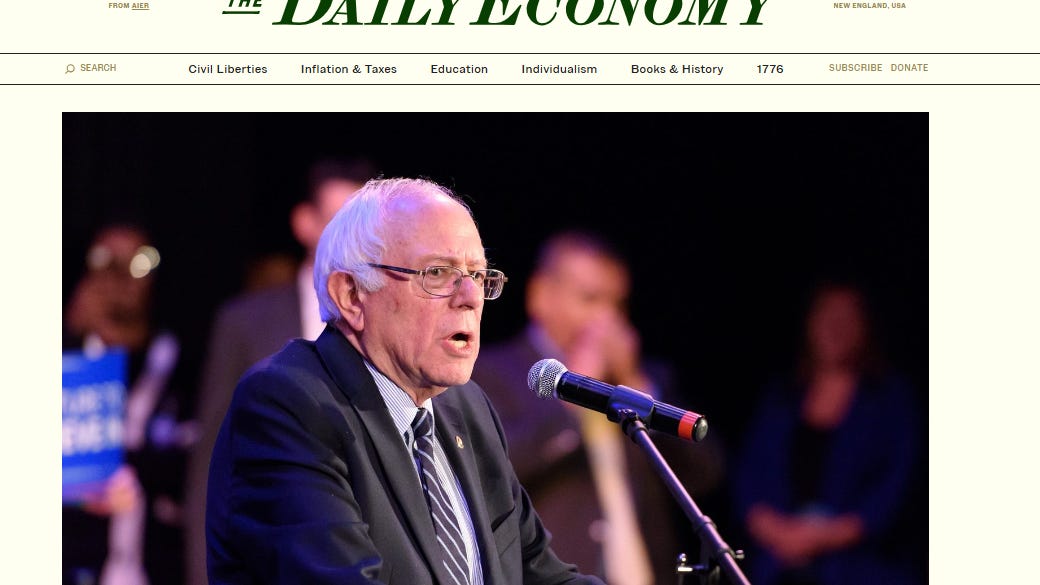
Bernie Sanders Social Security payroll tax cap proposal, Digi Mart USA News: Social Security benefits are scheduled to be cut by about $6,000 on average when the trust fund exhausts its reserves in the fall of 2032, according to the publisher article. Senator Bernie Sanders (I-VT) has proposed sending beneficiaries another $2,400 a year, promising in a viral post on X to extend the program’s solvency by “scrapping the cap” and having wealthy Americans pay their “fair share.”
Social Security’s 12.4 percent payroll tax currently applies to earnings up to $184,500. That taxable base will rise to $192,300 in January because it grows with average wage gains. Eliminating the cap would apply the payroll tax to every additional dollar of wages above it, though the article notes that earnings above the threshold do not receive additional benefit credits under the benefit formula.
The commentary argues that the tax increase would have economic costs beyond the revenue collected. Combined top marginal tax rates would exceed 60 percent in many states, with New York at 68 percent, according to the article.
It cites a 2021 paper by economist Adam Blandin projecting a three percent reduction in long-run GDP, and a Tax Foundation estimate of a 1.5 percent GDP reduction and 1.8 million fewer jobs, which would cut its ten-year revenue gain from $3.2 trillion to $1.5 trillion.
The article also says roughly eight in ten surgeons and six in ten physicians earn above the cap, with some near-retirement physicians potentially reducing hours or leaving practice sooner. It cites Cato Social Security model estimates that eliminating the cap would close about 30 percent of the long-term cash-flow gap if newly taxed earnings also earned benefit credits, or roughly half without those credits, before adding Sanders’ proposed benefit increase.
The publisher argues that Sanders’ plan would also apply payroll taxes to investments and certain business income, which it says could discourage investment and business expansion. Citing an earlier analysis by the Committee for a Responsible Federal Budget, it says part of the new revenue could be offset by lower income taxes.
The author instead recommends gradually moving Social Security toward a flat benefit that protects against old-age poverty.