Trump defamation lawsuit against BBC over Panorama January 6 edit, Digi Mart USA News (Florida, United States): It is notoriously difficult for a public official in the United States to win a defamation lawsuit. To recover damages, a plaintiff must prove “actual malice,” meaning the outlet was either wildly reckless or deliberately got it wrong, and must also show that the story caused serious financial or reputational harm.
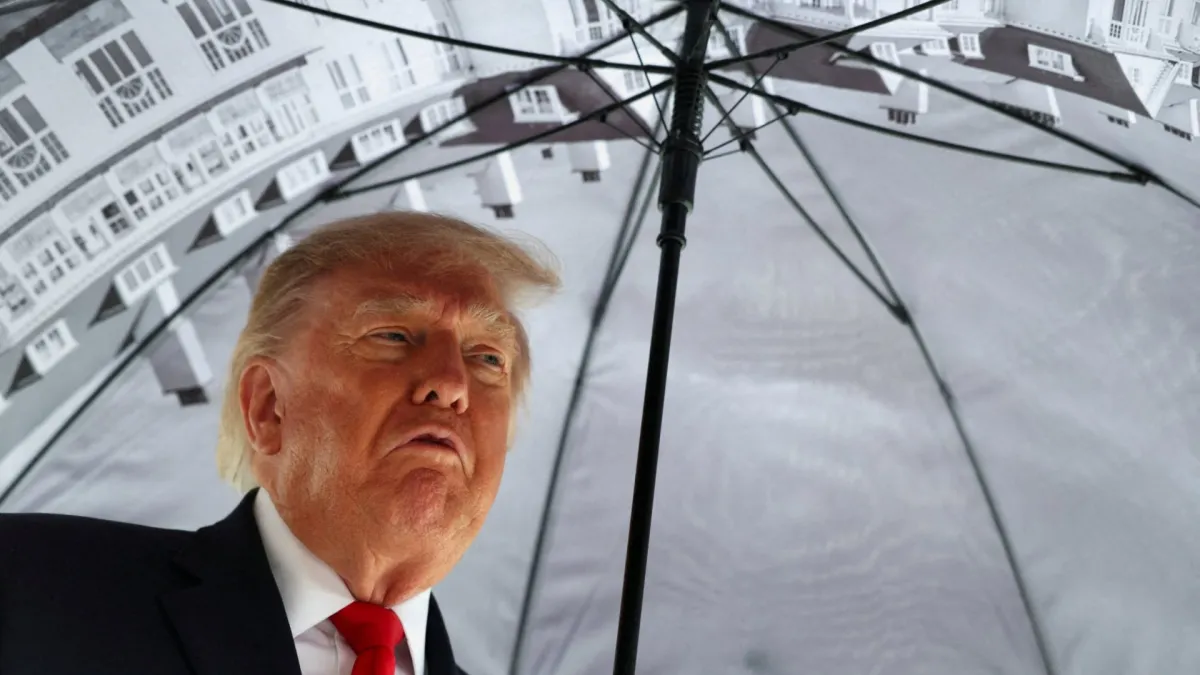
President Donald Trump has advantages that most defamation claimants lack in terms of money and power. He is seeking $10bn from the BBC in a lawsuit over a Panorama special episode about the January 6 riots.
A Florida judge, Jeffrey T. Kuntz, partially denied the BBC’s motion to dismiss, meaning the case will proceed to a full trial.
Trump celebrated the ruling on Truth Social, calling it “A Huge Victory against Fake News BBC, a terrible abuser of the truth.” The procedural decision, however, is not a victory on the merits. The ruling came shortly after a difficult stretch of midterm election results for the president.
At the center of the case is the BBC’s edit of Trump’s remarks at a rally shortly before supporters stormed the U.S. Capitol in an effort to overturn Joe Biden’s 2020 election win.
The Panorama clip shows Trump saying, “We’re going to walk down to the Capitol… and I’ll be there with you. And we fight.
We fight like hell.” Trump’s legal team argues the cut falsely implies he incited the riots.
In the full remarks, Trump said, “We’re going to walk down to the Capitol, and we’re going to cheer on our brave senators and congressmen and women.” The line “And we fight. We fight like hell” came more than 50 minutes later.
The BBC acknowledges that the edit was a mistake but says it was not malicious or reckless, did not give an overall false impression of Trump’s role in the events of the day, and did not cause him substantial damage.
Trump still faces significant hurdles. He must show that a program never broadcast in the United States caused him substantial damage, particularly after he won the 2024 election and increased his net worth.
Whether Trump played a role in inciting the riots is central to the BBC’s defense, which means the case is likely to focus heavily on his words and actions on and around January 6, 2021.
A previous ruling ordered Trump to be deposed by BBC lawyers by December 11, requiring him to answer hours of questioning under oath. The BBC’s legal team has subpoenaed thousands of pages of documents and plans to question numerous other witnesses about that day.
The BBC is in a different position from U.S. broadcasters that have settled with Trump for a few million dollars.
As a British public broadcaster funded by license fee payers, it faces pressure over whether to fight the case or pay. Every pound spent on the defense comes from the British public, and the article argues many license fee payers would prefer that money fight Trump rather than pay him off.
In the days before the Capitol attack, Trump insisted the election results were fraudulent. In a speech to supporters on the National Mall shortly before the riots began, he called Biden an “illegitimate president” and said, “If you don’t fight like hell you’re not going to have a country anymore.” Trump’s lawyers have argued that his use of the word “fight” was figurative and that he told supporters to march to the Capitol “peacefully and patriotically.”
The case will continue to attract attention from American and international media, and the coming months are likely to bring renewed scrutiny of Trump’s conduct around January 6. Whatever its outcome, the lawsuit is unlikely to be a simple win for the president.