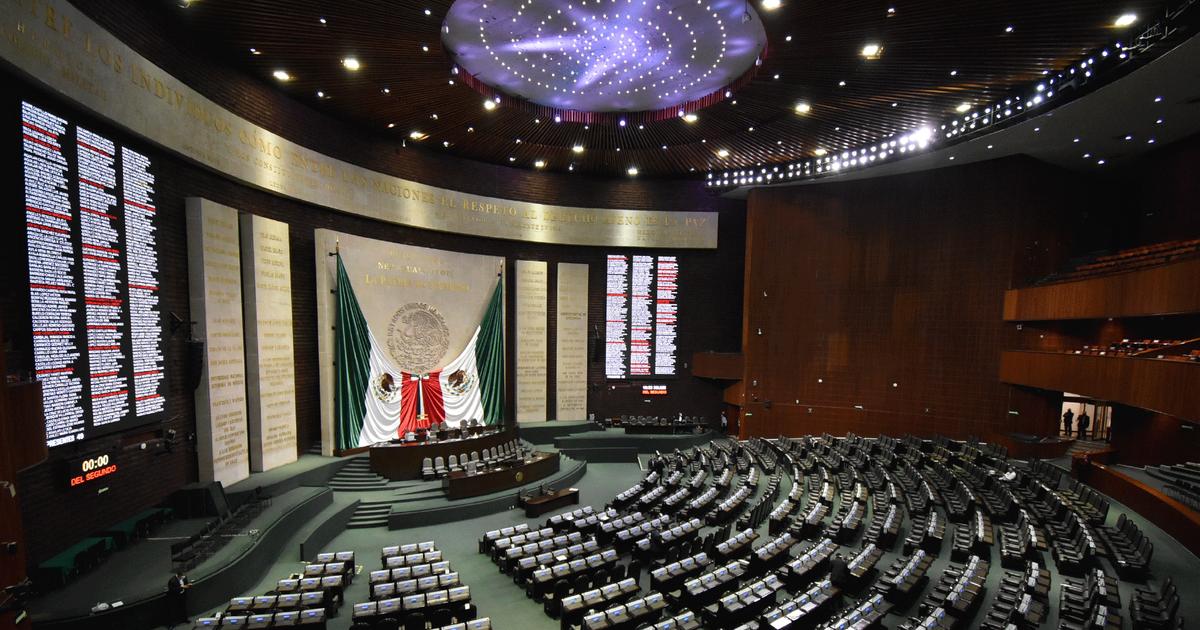
Mexico 2027 federal budget (PEF 2027) discussion in the Chamber of Deputies, Digi Mart USA News (Mexico): Discussion of the 2027 Federal Expenditure Budget (Presupuesto de Egresos de la Federación, PEF 2027) has begun in Mexico’s Chamber of Deputies. The proposal seeks to approve spending of 10.6 trillion pesos to guarantee rights, essential public services and food security, and to encourage investment, while cutting 5 billion pesos from the National Electoral Institute (INE).
The Budget and Public Account Committee is expected to have its report ready by November 7, allowing floor debate to begin Monday with the goal of finalizing spending by November 13. The legal deadline is November 15.
The document projects real growth of between 1.5% and 2.5%, an average oil price of 61.8 dollars per barrel, an average exchange rate of 18 pesos per dollar, and cumulative inflation of 3%.
Committee chair Merilyn Gómez Pozos, of Morena, described the budget as one of the most important instruments for guiding national public life. She said the committee reviewed the 2025-2030 National Development Plan, the programmatic structure, general economic policy criteria, the explanatory memorandum, the draft decree and the annexes, and assessed whether the budget aligns with national priorities and the 2030 Agenda.
According to Gómez Pozos, total net spending of 10 trillion 636 billion pesos represents an increase of 442.8 billion pesos, or 1.3% in real terms, compared with the amount approved for 2026. Priority social programs would receive just over one trillion pesos, equal to 2.6% of gross domestic product (GDP), to provide social protection from childhood through old age.
Federalized spending is set at 3 trillion 48.2 billion pesos, a real increase of 4.6% over 2026. Investment spending would reach 1 trillion 133.6 billion pesos, of which 90.5% would go to physical investment in infrastructure.
The overall goal, she said, is shared prosperity, with expanded coverage in education, health and housing, particularly for historically excluded people, communities and regions.