Emergency Backpack Preparation in Mexico, Digi Mart USA News (Mexico): Preparing an emergency backpack in Mexico can represent an additional expense for families, especially when they need to buy items such as portable radios, flashlights, non-perishable food and hygiene products. However, the cost depends on each person’s needs and on the supplies already available at home.
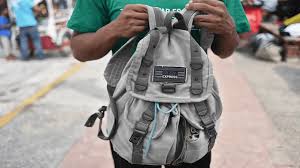
The recommendation gained relevance after the Secretariat of Integrated Risk Management and Civil Protection (SGIRPC) of Mexico City released an infographic about the so-called Mochila de Vida, or “Life Backpack,” amid international publications about storing provisions for possible emergencies.
The circulation of these recommendations sparked speculation about a supposed global alert. However, on November 3, the National Coordination of Civil Protection (CNPC) clarified that these campaigns are part of its regular activities and are not related to the proximity of a disaster or to warnings issued by other countries.
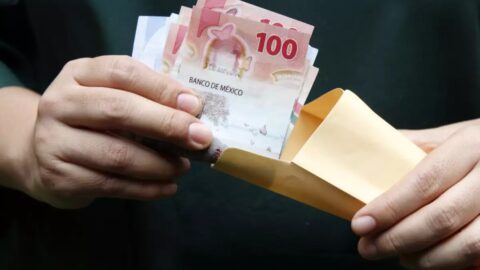
The cost of preparing an emergency backpack is not fixed, because it depends on the quality, brand, quantity and type of products selected.
Among the items that can represent a larger outlay are portable radios. As a reference, the online catalog of Walmart Mexico listed battery-powered AM/FM models with advertised prices between 231 and 507 pesos, although prices and availability may vary by seller.
Other products must be added to this expense, such as a battery-powered flashlight, bottled water, non-perishable food, a light blanket and personal hygiene items.
Nevertheless, families can considerably reduce spending if they use a sturdy backpack, clothing, blankets and other objects they already have at home, provided they are in good condition.
The Federal Consumer Protection Agency (Profeco) offers the Quién es Quién en los Precios tool, which allows comparison of prices for food, beverages and other regularly consumed goods across stores.
The agency warns that published prices are reference figures at the time they were collected and may change later.
According to the infographic released by Mexico City’s Civil Protection, the Mochila de Vida should be individual and adapted to the needs of each family member.
Recommended items include diapers and baby food, where applicable.
In addition, the National Center for Disaster Prevention (Cenapred) and Profeco recommend considering a first-aid kit, important documents or copies of them, and specific medications for those who require them.
In an August 2023 publication, the Revista del Consumidor recommended that the backpack contain supplies for at least three days, be easy to carry and remain in an accessible place.
It also advised reviewing products every six months and replacing those close to expiration.
One way to reduce the cost is to first review which items are already available at home and buy only what is missing.
For example, there is no need to buy a new backpack if a sturdy, functional one is already available. The same applies to blankets, spare clothing, notebooks and some hygiene products.
For food, it is advisable to choose non-perishable, lightweight products that are easy to open and require no complicated preparation. It is also important to check expiration dates periodically.
Each family member’s needs should be considered separately. A backpack for an adult will not necessarily have the same contents or cost as one prepared for a baby, an older person or someone who requires continuous medication.
Profeco also recommends acquiring supplies gradually to avoid panic buying or unnecessary spending.
The recommendations from Mexican authorities did not arise from a recent international warning.
For years, Cenapred and Civil Protection agencies have promoted preparing backpacks with basic supplies to cope with the first hours of an emergency, particularly in the case of earthquakes, floods and other natural phenomena.
In September 2025, the Mexico City government announced a program to distribute 3,500 emergency backpacks in 66 housing complexes across different boroughs as part of its prevention efforts.
For this reason, the CNPC reiterated that publications about emergency backpacks and storing provisions are self-protection measures and do not mean there is a global alert for an imminent disaster.
The main recommendation is to prepare supplies in advance, without panic buying, and in line with each family’s needs and financial means.