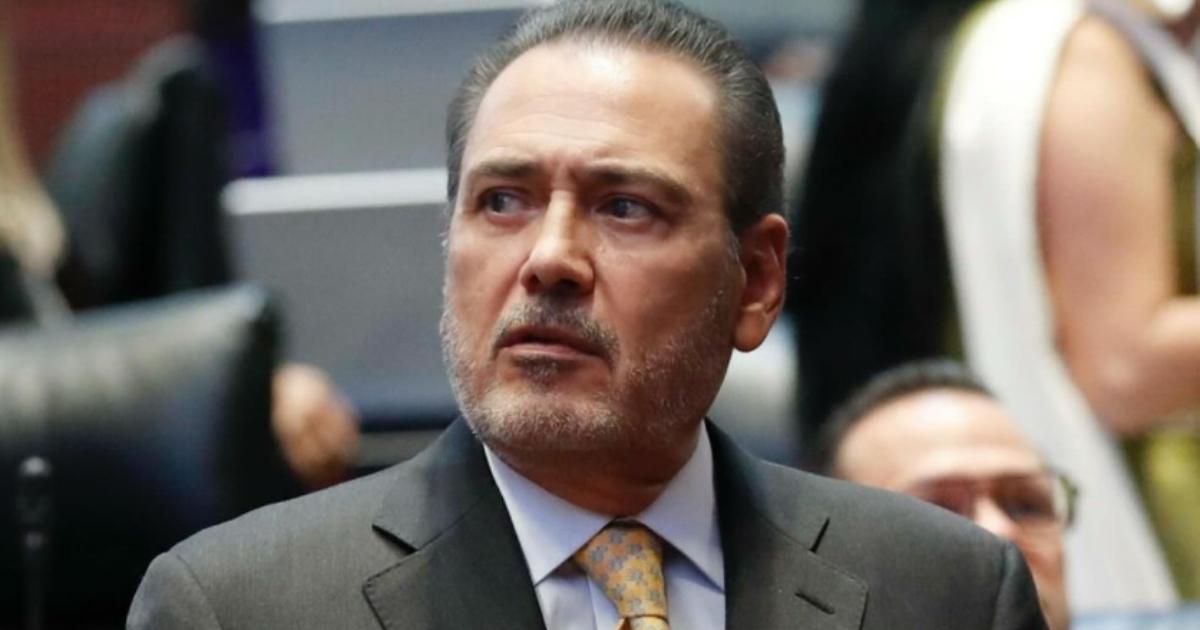
Manlio Fabio Beltrones on INE oversight and alleged corruption, Digi Mart USA News (Mexico): Independent senator Manlio Fabio Beltrones addressed the institutional situation of the National Electoral Institute (INE), allegations of administrative irregularities, and a recent proposal to audit periods before the current administration. He spoke in an interview for the program “Noticias de la Mañana” with Mario Maldonado on Heraldo Televisión.
Beltrones said recent scandals exceed any previous difficult period in the history of the electoral body, and that initial suspicions had been fully confirmed in the eyes of the public. “The alleged is now in the past.
There is clear evidence of enormous corruption at the National Electoral Institute, but it far exceeds the difficult moments this institution has experienced,” he said.
Analyzing the structural cause, Beltrones argued that reforms concentrating powers in the institute’s presidency broke the institution’s historic checks and balances and eliminated collegial technical decision-making. “The mistake was removing collegiality from decisions on appointing its main directors and technical areas that required professionalism,” he said.
Regarding the speed with which the change was approved in Congress during debate on the judicial reform, the senator stressed that the lack of consensus within the General Council led to harmful extraordinary powers. “Those powers given to the president of the National Electoral Institute led her to abuse and substantially corrupt the institute’s functions, and here are the consequences,” he charged.
To counter this concentration of power, Beltrones said he presented a legislative initiative to return collegial authority to the General Council over key appointments and spending oversight, asserting there is sufficient time if there is political will. “Ultimately, restoring collegiality can be done in a single session, and we correct what was done wrongly, and then start again with order and direction,” he said.
Beltrones also said technical oversight should extend to large contracts, stating that any contract over 10 million pesos should also undergo collegial review.
On the Auditoría Superior de la Federación (ASF) plan to audit administrations going back two decades, including the periods of Lorenzo Córdova and José Woldenberg, Beltrones called the measure a partisan distraction that departs from legal limits and statutes of limitation. “I see this as more of a political intention than a justice-driven one to open this idea of reviewing 20 years back at the National Electoral Institute.
This is a political entertainment exercise they want to give us,” he said.
He argued that technical audits must strictly follow current legal deadlines rather than short-term political calculations. “ASF reviews could cover perhaps 2 or 3 years, but not 20 years back,” he said.
Ahead of upcoming elections, Beltrones insisted that the administrative and operational cleanup of the electoral referee must be resolved as a priority to safeguard the certainty of citizens’ votes. “Let’s start by cleaning up the electoral process that is dirty, or was dirtied by that INE administration,” he concluded.