Smartphone shipment targets 2027, Digimart Global: Major smartphone makers have reportedly begun setting lower shipment targets for 2027 as persistently high memory-chip costs squeeze margins and weigh on demand. According to supply-chain sources reported by Notebookcheck, most leading vendors have reduced their plans for next year.
The steepest reported cuts are at Xiaomi, Vivo and Lenovo’s Motorola business. Xiaomi is said to have reduced its 2027 target to about 90 million units, down 25% from roughly 120 million in 2026. Vivo is reported to be lowering its target from 85 million to 60 million units, a 29% decline, while Lenovo, primarily through Motorola, is said to have cut its goal from about 50 million to 40 million units, a 20% drop.
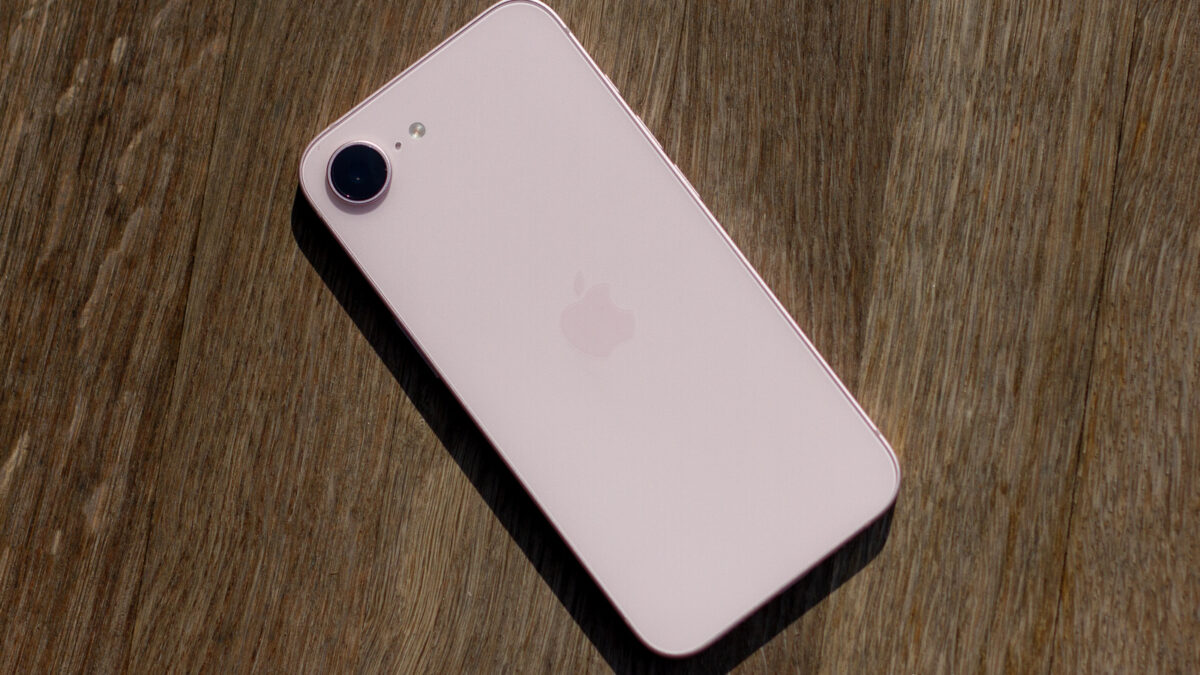
Apple is reportedly lowering its target from approximately 233 million iPhones in 2026 to 220 million in 2027, a reduction of 5.6%. Samsung is reportedly planning to cut its target from 232 million to 210 million units, or 9.5%.
Oppo is said to be falling from 105 million to 90 million smartphones, a 14% reduction, while Transsion’s target reportedly declined 12%, from 66 million to 58 million units.
Huawei’s 2027 target was reportedly cut to below 50 million units, down more than 16% from about 60 million in 2026. Honor is the only major manufacturer in the report not to lower its expectations, keeping its 2027 goal at approximately 50 million units. According to IDC data cited in the report, Honor was the only major smartphone brand in China to record quarter-over-quarter shipment growth in the third quarter of 2026.
Rising memory costs drive the cuts
The main reason behind the industry-wide reductions is the rising cost of memory. Demand from AI data centers is absorbing growing amounts of DRAM supply, pushing prices higher and leaving smartphone manufacturers facing more expensive components.
Counterpoint Research’s global memory market tracker reportedly shows DRAM market revenue rose 369% year over year in the third quarter of 2026, approaching $200 billion, with the average DRAM selling price reaching $1.90 per gigabit.
Honor CEO Li Jian recently said manufacturers are being forced to make trade-offs to control prices, with some reducing chip, camera and memory specifications. That could make it harder to maintain competitive hardware without raising retail prices.
Outlook for 2027 and beyond
Goldman Sachs estimates the global DRAM supply deficit could reach 5.1% next year, potentially one of the most severe shortages in more than 15 years, and expects smartphone NAND demand to fall 2% in 2027. Counterpoint expects memory prices to stay elevated, with significant new wafer capacity unlikely before 2028.
Analysts expect conditions to improve in 2028, when the DRAM supply deficit is forecast to narrow to 1.2% and conventional DRAM and NAND prices could fall by about 20%. Until then, smartphone makers may continue revising their shipment targets as they adjust to higher component costs and weaker demand.