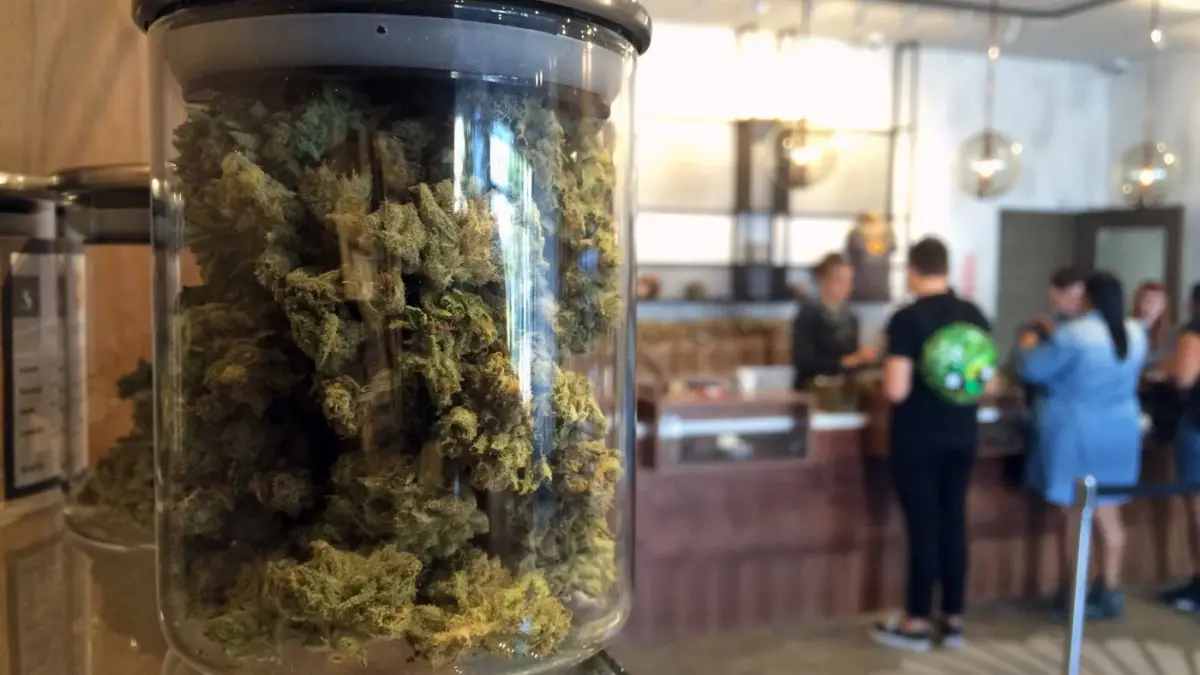
Thanksgiving cannabis discounts, Digimart Global (United States): While Americans are paying more for travel, food and wine this Thanksgiving season, one purchase is getting cheaper. According to an NPR report, marijuana prices are falling at many dispensaries in the days leading up to the holiday.
The days before Thanksgiving, known in the industry as “Green Week” or “Green Wednesday,” have come to rival the popular cannabis holiday 4/20 as the busiest days of the year for dispensary sales and foot traffic. In most dispensaries around the country, shoppers are finding steep discounts, doorbuster specials and exclusive products.
Cannabis is a $30 billion industry in the U.S., with legal markets in 24 states and the nation’s capital, according to Whitney Economics, a firm that consults on the cannabis business. The report says the deep discounts that draw customers in have also squeezed retailers and contributed to a revenue decline in the legal market.
NPR reported on shoppers at The Forest, a dispensary in Baltimore, where offers included 25% off edibles, 30% off for medical patients, and an extra $5 off for bringing in canned food for the store’s holiday drive. Beau Whitney, founder and chief economist at Whitney Economics, described the trend as a “race to the bottom” that benefits consumers on affordability but hurts operators.
The industry’s pressures extend beyond holiday pricing. Whitney Economics found that 2025 revenue fell across the industry because of an oversupply of plant product and declining prices, marking the first annual dip since 2014. Sales have since rebounded slightly, with an increase of about 5% over the same period last year, though forecasts for late 2026 and the outlook for 2027 remain relatively modest.
According to Whitney, consumer behavior has also changed. Since 2024, as inflation raised the cost of essentials such as gas and groceries, customers have tended to use discounts to stretch their household budgets rather than adding extra products to their carts.
The report notes that the federal government still classifies recreational marijuana as a Schedule I drug, while medical cannabis was reclassified this year to Schedule III.