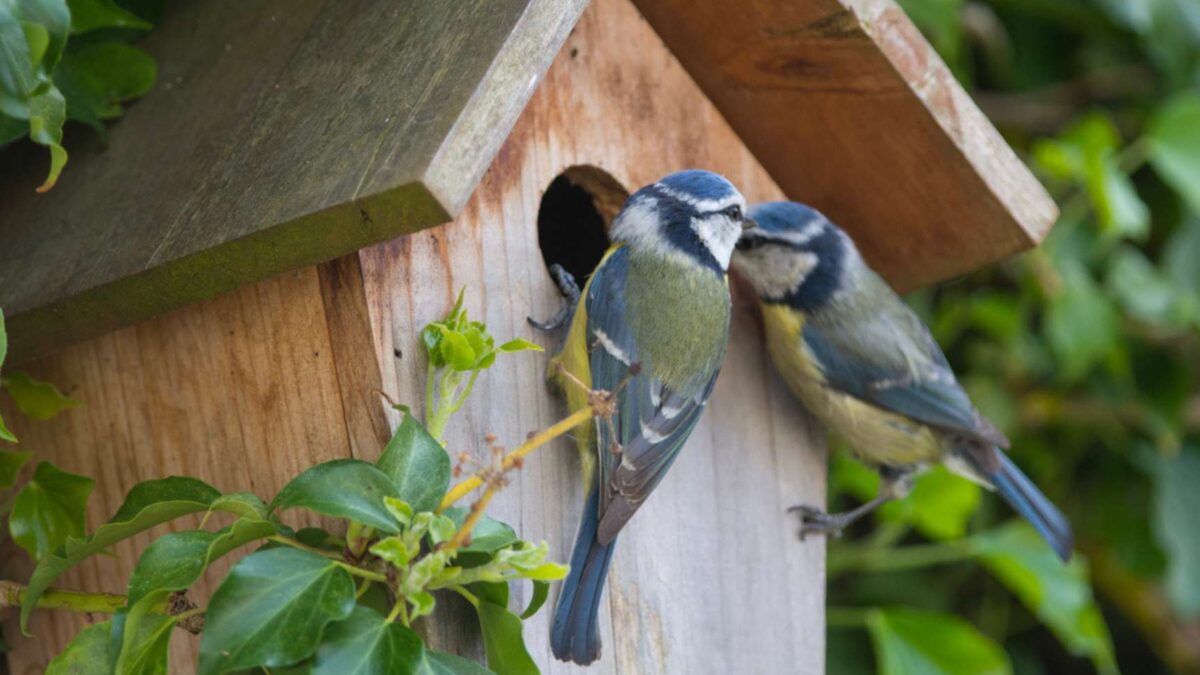
Bird nest box autumn, Digimart Global: Autumn, not spring, is the key season for putting up or cleaning a bird nest box, according to the French bird protection league LPO as reported by Futura Sciences. The organisation notes that cavity-nesting species, which breed in holes and hollows, start scouting for future nest sites during winter, so installing a box in March or April is already too late.
The report links the need for nest boxes to a loss of natural nesting places. Hedgerows are being removed, old trees felled and walls renovated, so gardens offer fewer cavities.
A well-placed and well-maintained box can partly make up for this loss, but timing and placement determine whether birds will use it.
Choosing the right location
Placement is central to success. According to the report, a box that is poorly oriented or mounted too low may be ignored even in an otherwise suitable garden.
The LPO-based advice is to face the box south or south-east and avoid the prevailing westerly and northerly winds, which cool the interior. A partly shaded spot that still receives some sunshine during the day is presented as the best compromise.
The recommended height is between 2 and 3 metres above ground, which limits disturbance while keeping annual cleaning manageable. For fixing, the report advises against nailing directly into bark unless aluminium nails are used.
Instead, wire wrapped around the trunk with small wooden spacers protects the bark, and the spacers can be gradually removed as the tree grows so the wire does not cut in. The entrance hole should also be kept clear of branches, since birds approach it in direct flight.
Spacing, cleaning and maintenance
Several boxes can be placed in one garden, but according to the report, two boxes intended for the same territorial species should be at least 30 metres apart. A blue tit pair’s territory covers between 0.5 and 4 hectares, while sparrows, being gregarious, tolerate closer neighbours.
Cleaning matters because an uncleaned box accumulates feathers, moss, lichen and parasites, and birds build a new nest on top of the old one each year. This raises the floor of the box, brings chicks dangerously close to the entrance hole and can increase disease risk.
Autumn is also the time to check for cracks, a door that no longer closes or loose fixings, since a damaged box exposes occupants to bad weather and predators. The report warns never to treat the inside of the box or plane the wood, because birds need rough surfaces to grip with their feet.