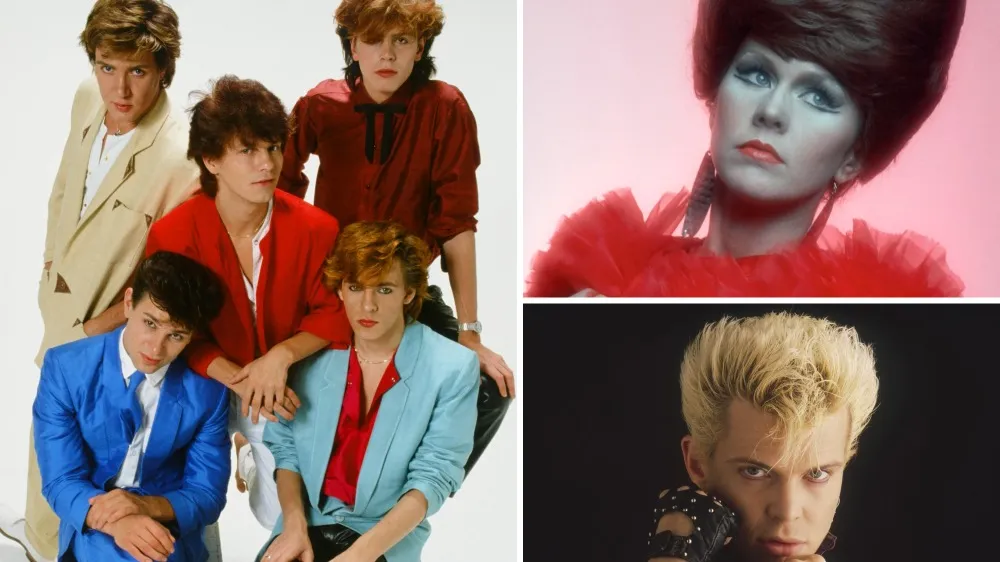
New wave documentary, Digimart Global: New wave music remains part of everyday listening, with bands such as the B-52s, Duran Duran, Tears for Fears and Billy Idol still touring and a new generation drawn to the danceable sounds of 1977 to 1987. The sound has also appeared in TV series and retail settings, according to the publisher’s report.
The four-part docuseries New Wave premieres Monday on MGM+. According to Variety, it tells the story of how a loosely connected group of misfits, fashion figures and punk rockers from the U.K.
and U.S. came together to form a movement, and how the arrival of music videos carried that music into wider popularity.
Origins of a genre
Interviewees in the series, including musicians, DJs and VJs, discuss the ingredients behind the movement, including the influence of women, the era’s distinctive fashion and the launch of MTV. Interviews include Kate Pierson and Fred Schneider of the B-52s, Billy Idol, Mark Mothersbaugh of Devo, Danny Elfman of Oingo Boingo and John Taylor of Duran Duran, among others.
Director Douglas Tirola said the project aimed to defend the genre, which he described as having changed music, movies, TV, design and fashion. Richard Blade, a KROQ and Sirius First Wave DJ, served as consulting producer.
The production company is This Machine Filmworks, part of Sony Pictures Television.
Why the label stuck
Executive producer Elise Pearlstein told Variety that “new wave” was largely a marketing term. Artists were originally grouped with punk, which some venues did not want to host, so the label was used to make them more commercially viable.
Pierson described it as a term used to encompass post-punk, with greater inclusion of women, queer artists and Black artists in the scene.
Lasting appeal
The producers said the music’s staying power comes from its fun, danceable and hopeful qualities, and that interest among younger listeners has grown. Blade noted that the sound has been widely used in commercials and TV series such as Stranger Things.
The article is based on a single Variety interview and feature, which the publisher has not independently verified in this report.