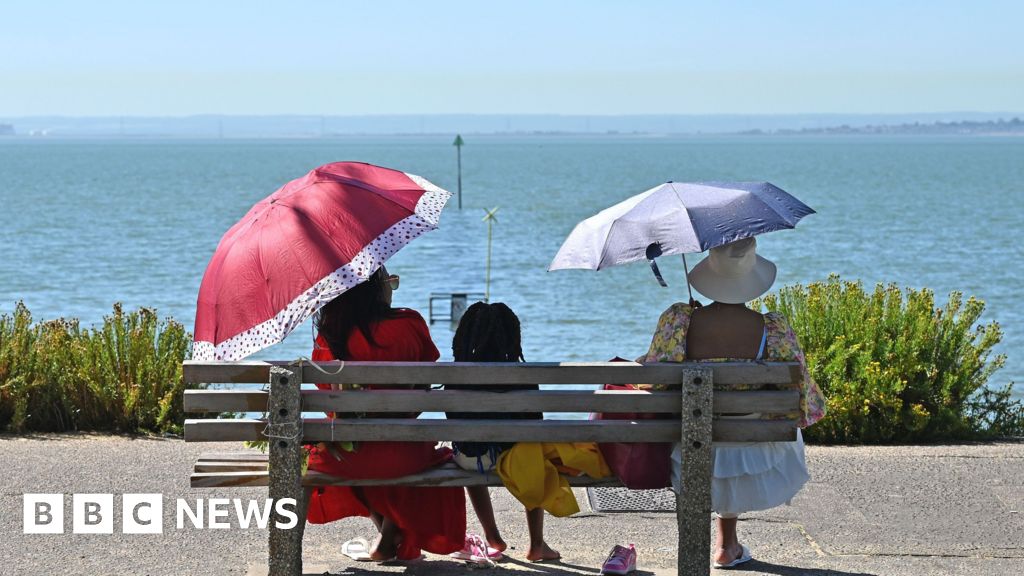
East of England weather changes, Digimart Global (East of England, UK): The East of England endured its hottest summer on record this year, with weeks of temperatures close to or above 30C, wildfires and roads melting in places. The BBC reports that new research from the Met Office suggests the region’s seasons are shifting.
More hot summer days
Met Office research compared recent conditions from 2016 to 2025 with the standard climatological baseline of 1961 to 1990. Norfolk, Suffolk and Cambridgeshire recorded particularly large increases in the number of summer days reaching 25C or higher, and every county in the region has seen more such days.
Lingwood in Norfolk set the highest June temperature on record at 37.7C this year, while Suffolk reached 37.3C the same month. At the end of July, Suffolk also faced a devastating wildfire at Dunwich Heath.
Fewer winter frosts
Across the UK, winter frost days have fallen from about 38 per winter during 1961 to 1990 to about 28 days in the last decade, a reduction of roughly a quarter. Spring and autumn frost days have also declined, with almost five fewer spring frost days and almost three fewer autumn frost days than in 1961 to 1990.
Norfolk stands out, with winter frost days falling from 34.7 to 23.9 per winter, about a third fewer. The BBC notes there is some evidence that springs in the East are becoming drier.
What comes next
According to the Met Office, the region is likely to see warmer and wetter winters, along with more frequent and extreme weather events linked to climate change. It has predicted that by 2070 winters could be between 1 and 4.5C warmer and up to 30% wetter, with more heatwaves, droughts and flooding.
The region is still experiencing drought as winter begins, and Anglian Water has warned it could continue into next year. Met Office climate scientist Dr James Pope said the changes are linked to greenhouse gases added to the atmosphere since the 1850s, which are trapping more of the sun’s energy and warming the planet.