
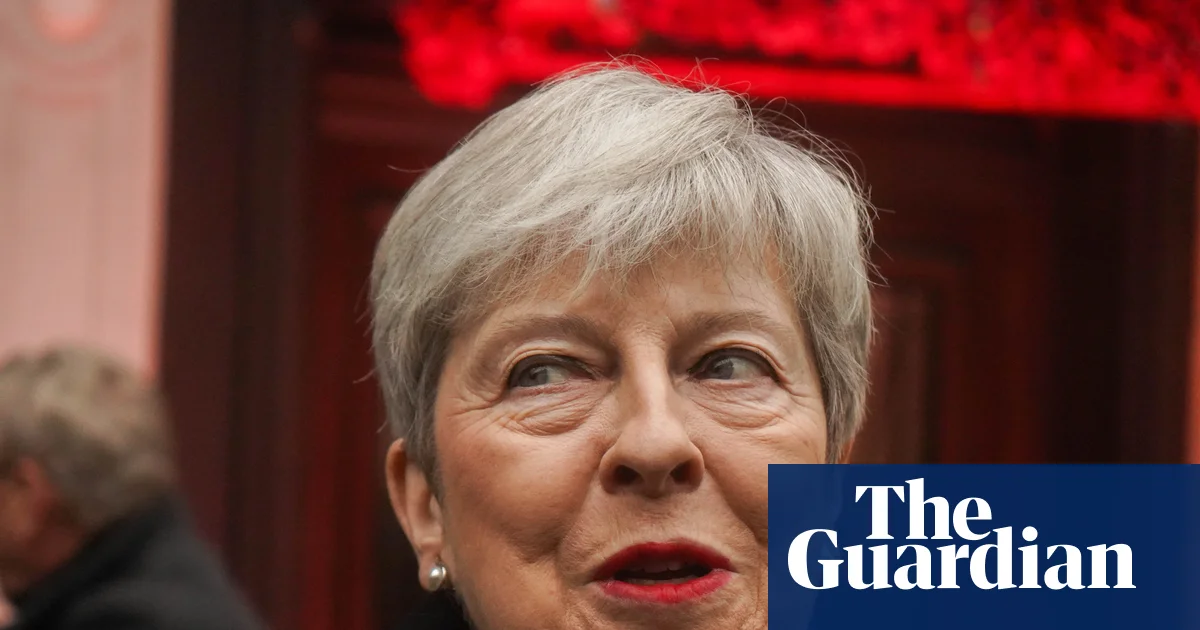
Theresa May Brexit, Digimart Global (United Kingdom): Theresa May’s appearance on BBC One on Sunday, in which she spoke about the benefits of Brexit, reminded many viewers of the bitter years of the UK’s departure from the European Union. According to Peter Walker’s analysis in The Guardian, the moment has placed the Conservative Party back in the territory it has spent recent years trying to leave behind.
The article argues that closer EU ties, which Andy Burnham has moved to pursue, present a particular problem for the Conservatives. Many Tory MPs and activists who fought the Brexit campaign remember the repeated attempts to agree a departure deal, including the heaviest parliamentary defeat for a British prime minister, when the Commons rejected Theresa May’s plan by a majority of 230.
Since the 2019 election victory built on the promise to “get Brexit done”, the party under Kemi Badenoch has moved away from arguing about Europe. Instead, it has focused on the economy, social security and defence.
Walker notes that even committed Brexit supporters have struggled to point to clear, tangible benefits in the decade since the referendum.
In her BBC interview, May did not claim that Brexit had been a success. She said it was impossible to know, given events such as Covid and Russia’s invasion of Ukraine, and added that she did not think Britain’s current state was about whether the UK had left the EU.
The article presents this as a notable shift in tone from the time she led the government.
Polling cited in the article suggests a clear majority of Britons view Brexit as a failure and a mistake, with similar support for rejoining the EU, although this depends in part on the conditions for doing so. Walker attributes this partly to demographic change, as older leave voters are replaced on the electoral rolls by younger people who hold more positive views of the EU.
A constituency-level poll on Brexit sentiment, also referenced in the article, found that many areas which previously backed leaving now support rejoining, including Andy Burnham’s Makerfield seat. According to that poll, voters in 512 of the 632 Commons seats in England, Scotland and Wales would rejoin the EU, 47 were too close to call, and 73 still wanted to stay out.
The Conservatives are not expected to drop the issue entirely. Walker reports that Badenoch will criticise the prime minister when he sets out his new EU deal in Parliament on Monday, and that her deputy, Alex Burghart, has promised a future Tory government would unpick it.
The article concludes that Europe is no longer the defining political fault line for the Conservatives, though May may find it hard to move on from the issue that shaped her premiership.