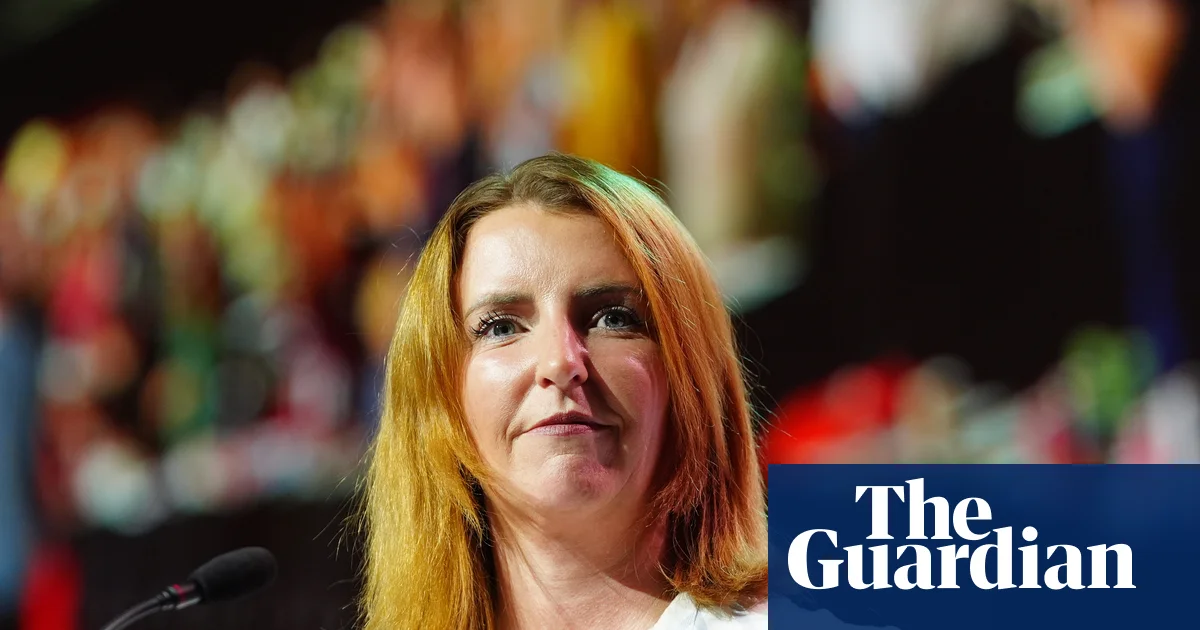
Natural England Abolition, Digimart Global: The nature watchdog Natural England could be abolished as part of a cull of arm’s-length government organisations, according to First Secretary of State Louise Haigh. Speaking about the growing number of quangos and similar bodies, she said their proliferation had made decision-making by ministers more difficult.
Haigh said the government could scrap some organisations and bring others into departments as part of a wider change to the structure of government. Abolishing Natural England could be justified on the basis that it could speed up planning decisions and boost housebuilding and growth, but removing or curbing its role would be likely to prompt concern from environmental groups.
Her comments follow a report by the Times that Natural England was in line to be abolished. Last month, the Conservatives announced that if they won power they would abolish both Natural England and the Environment Agency, saying this would help create more new homes.
Asked about the proliferation of quangos on Sky News, Haigh said successive governments had complained about the problem but had continued to create more of these bodies and push decision-making out of their departments. She said the government was “absolutely committed to devolving responsibilities where they can be devolved.”
Asked whether she was considering getting rid of Natural England, Haigh said all arm’s-length bodies were under consideration for devolving, dissolving or bringing back into departments. In a later interview on BBC Radio 4’s Today programme, she again did not push back against the idea that Natural England was being targeted for abolition alongside other bodies.
Haigh is due to speak to the CBI conference on Monday morning, where extracts released in advance show she intends to argue for greater public control of essential utilities. She is expected to say the government would “put pragmatism and public interest ahead of failed political ideology” and that “public control is not anti-business.”
Haigh is also expected to say that almost no other nation has so many essential services run by private companies, often overseas ones, and that the current situation is “an exception that no other nation is trying to emulate.”