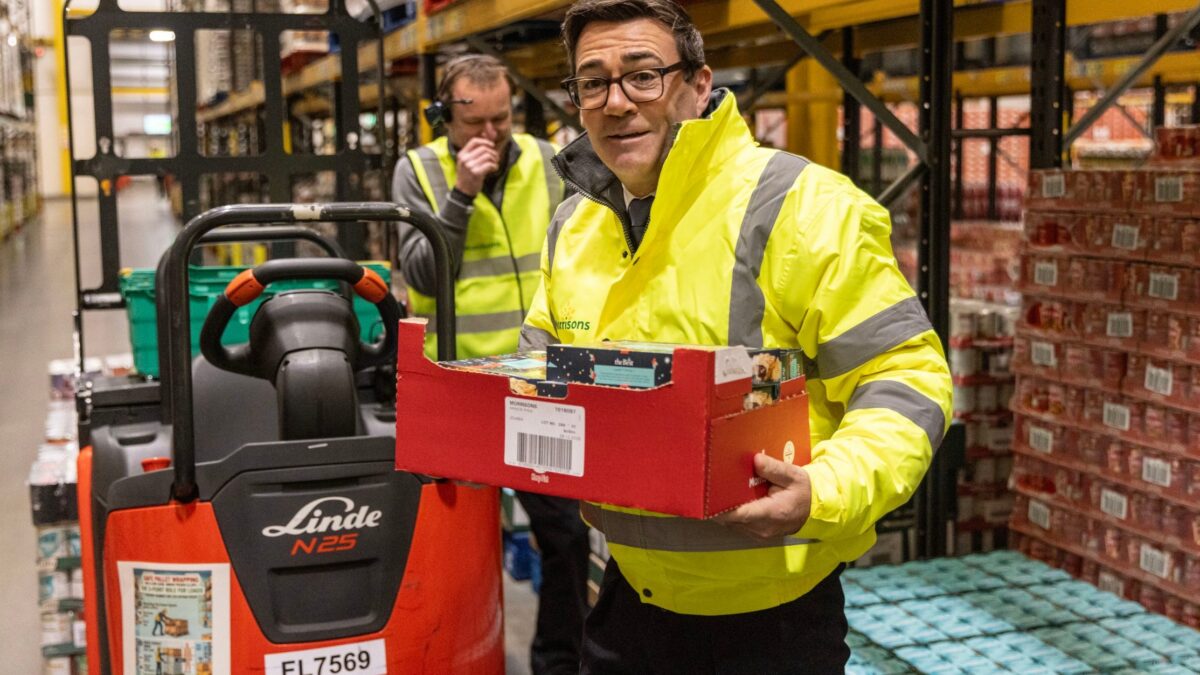
Burnham EU food deal, Digimart Global (United Kingdom): Andy Burnham’s reset agreement with the European Union will not guarantee cheaper supermarket prices, First Secretary of State Louise Haigh has admitted. UK and EU negotiators agreed on Friday that Britain would align with the bloc’s food and drink safety rules as part of a broader reset deal.
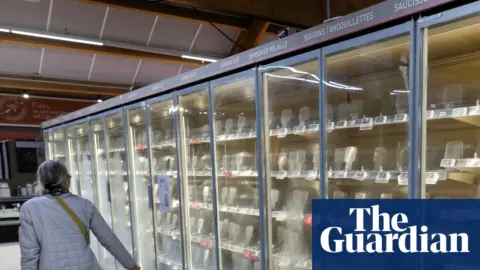
Speaking to BBC Breakfast on Monday, Ms Haigh said the agreement would not necessarily lead to lower prices because “external factors”, such as the war in the Middle East, are pushing up costs. She said the Government expected supermarket chains to pass on any savings to consumers, but declined to list products or promise explicit price cuts.
Wider deal and business impact
The Prime Minister described the agreement as a “win-win” that would help with the cost of the weekly shop and cut red tape for businesses. Ms Haigh argued that the main benefit was removing unnecessary friction and cost for firms that must complete large volumes of paperwork to export and import goods.
The British Retail Consortium, which represents supermarkets, said the deal would make trade easier but was “unlikely to have any impact on prices in the near future”, noting that food trade with the EU represents only a fraction of final shelf prices. The Treasury has published analysis suggesting the new agreement will add 0.5 per cent of GDP to the UK economy, roughly equivalent to £17bn.
Youth mobility and emissions trading
Britain’s deal also grants 100,000 Europeans aged 18 to 31 the right to live, work and study in the UK for three years, with reciprocal rights for UK citizens in the EU. The UK will also link emissions-trading standards with the bloc, as part of the new Sanitary and Phytosanitary (SPS) agreement.
Critics note that these agreements come at a cost to British sovereignty, as they would make the UK an EU rule-taker, changing its laws to match Brussels without a real say in drafting.
Tuition fees dispute and next steps
The deal nearly collapsed after the UK and Brussels clashed over tuition fees at the last minute. Brussels demanded that European students studying in Britain pay the domestic rate of £9,970 rather than £38,000 per year, with EU capitals threatening to delay sign-off if no compromise was found.
A six-month deadline has been set to reach an agreement on that issue.
Mr Burnham also told the EU he was ready to discuss rejoining the bloc over the next year. Antonio Costa, leader of the European Council, said the EU remained open to the closest possible relationship but could not allow the UK to pick and choose membership terms.
Former prime ministers Sir Tony Blair and Baroness May have cautioned against rejoining, with Blair saying his support would be conditional on looser EU regulation of artificial intelligence.