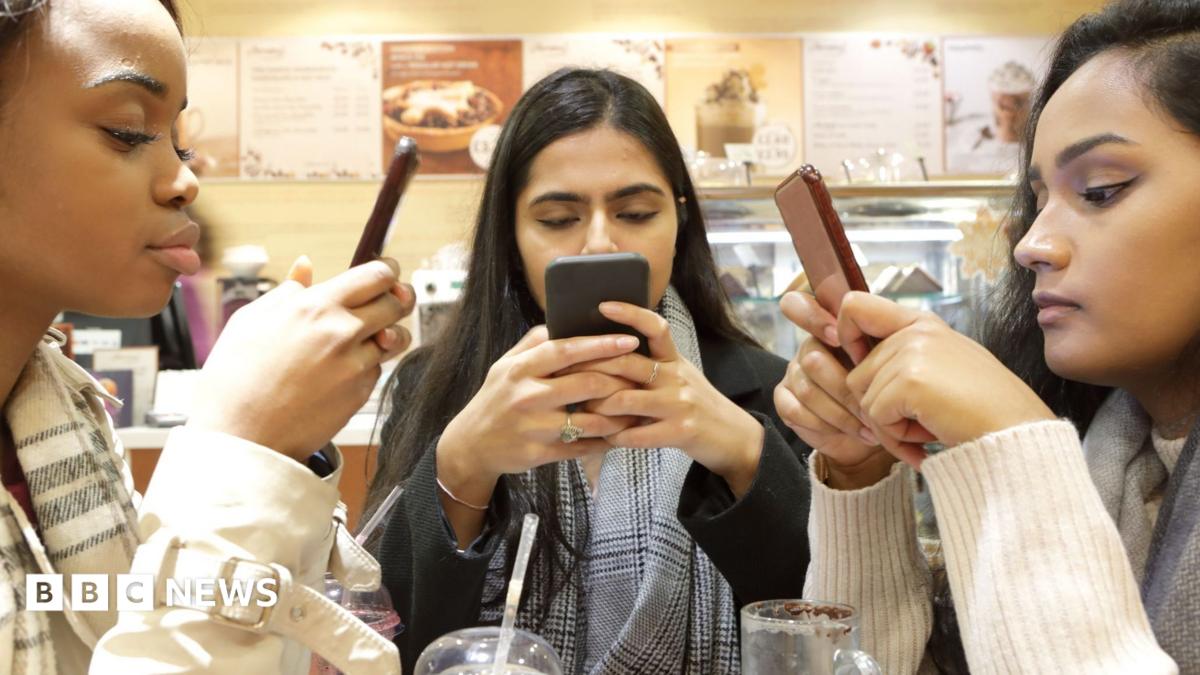
Young Britons sex survey, Digimart Global (United Kingdom): British people, particularly teenagers and young adults, are having less sex or none at all compared with past generations, according to a major study. The findings also show that many are sexting and watching pornography online, a behaviour the survey was asked about for the first time.
The research comes from the National Survey of Sexual Attitudes and Lifestyles (Natsal), a long-running study of the public’s sex lives. Half of people aged 16 to 24 have sent or received sexual images on their phone in the past year, while one in two young women and almost nine in 10 young men say they have viewed pornography.
Fewer young people are having sex
A third of 16 to 24-year-olds have never had sex, up from a fifth in the previous study 12 years ago. Almost two in five young women (38%) and more than one in four young men (28%) report never having had sex.
Adults under 45 are also having less sex, averaging twice a month compared with once a week in 1990.
The researchers found that porn use and masturbation were less common among people who had never had sex. The authors say this suggests solo and online activity is not simply replacing in-person sex, although they cannot be certain.
Possible reasons behind the trends
Co-researcher Professor Wendy Macdowall, from the London School of Hygiene and Tropical Medicine, said screen time may be tempting to blame, but many other factors are likely involved, especially for young people. Young people are drinking less alcohol than past generations and more live at home with their parents, while rising rates of mental health conditions and the Covid pandemic may also play a part.
She added that more open discussion of consent could help young people feel better able to decide whether and when to have sex.
The study did not ask about artificial intelligence or relationships with romantic chatbots, and Soazig Clifton of University College London said researchers would probably need to examine AI’s impact on sexual behaviour in future surveys.
Survey findings and wider context
The latest results, published in The Lancet, are based on a survey of 6,700 people aged 16 to 59 selected at random across Britain. Three-quarters of adults had sex in the past year, the average lifetime number of sexual partners is five, and women have sex about once a month while men do so twice a month on average.
Reports of sex with a same-sex partner have increased among both men and women, although the researchers say the scale of the change is less clear.
The survey also suggests that many Britons, particularly young people, are having unprotected sex, which can lead to pregnancy and sexually transmitted infections. Use of the oral contraceptive pill has declined among young women.
Meanwhile, the proportion of women aged 16 to 44 who say they do not want children has doubled in the past decade, from 8% to 17%.
Dr Laura Oakley of the London School of Hygiene and Tropical Medicine said understanding what is driving these changes, whether economic insecurity, climate anxiety or changing life priorities, should be a priority for future research and policy. The study reveals trends but cannot fully explain them.