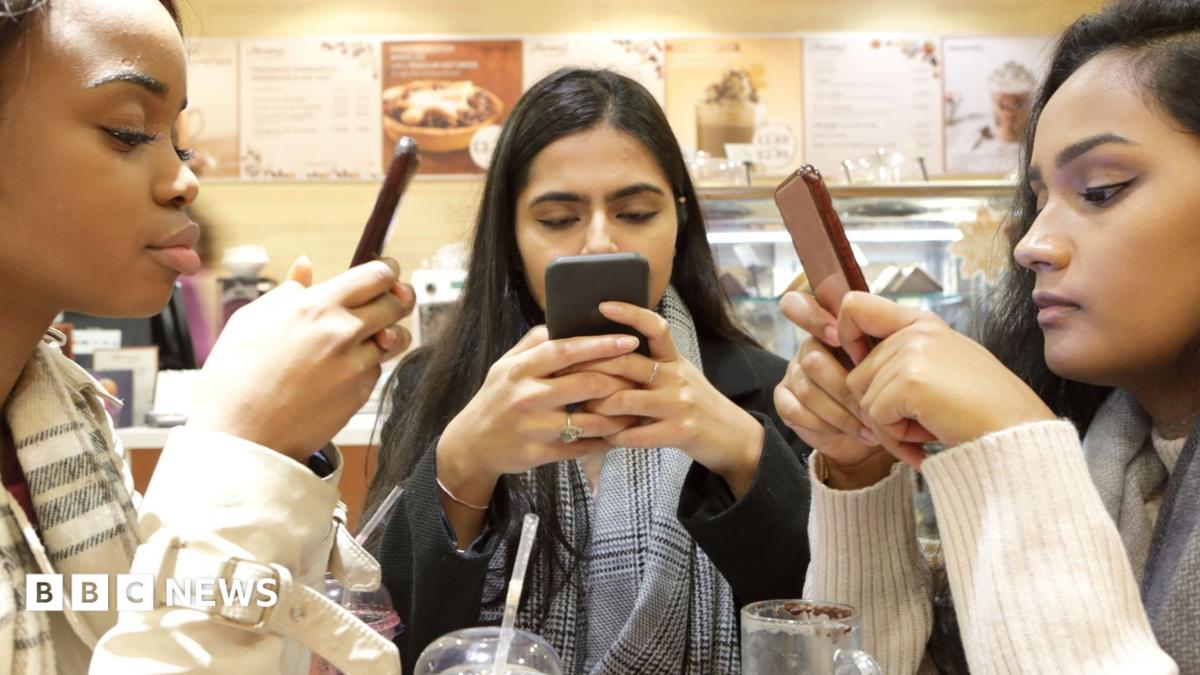
Young Brits sex survey, Digimart Global (United Kingdom): British people, particularly teenagers and young adults, are having less sex or none at all than previous generations, according to a major study of sexual behaviour. The latest National Survey of Sexual Attitudes and Lifestyles (Natsal), published in The Lancet, is the first in the series to ask about online activities such as sexting and pornography use.
The survey of 6,700 people aged 16 to 59, selected at random across Britain, found that half of those aged 16 to 24 had sent or received sexual images on their phone in the past year. Around half of young women and 86 per cent of young men aged 16 to 24 said they had watched pornography.
Despite this online activity, a third of 16 to 24-year-olds have never had sex, up from a fifth in the previous study 12 years ago. Almost two in five young women (38 per cent) and more than one in four young men (28 per cent) reported never having had sex, compared with around one in five in earlier surveys from 1990, 2000 and 2010.
Adults under 45 are also having less sex. Those who are sexually active now have sex about twice a month on average, down from once a week in 1990. Overall, three-quarters of adults said they had had sex in the past year, and the average lifetime number of sexual partners was five.
Researchers say the findings suggest solo and online activity is not simply replacing in-person sex, although they cannot be certain. Porn use and masturbation were less common among people who had never had sex.
The study did not ask about artificial intelligence or relationships with romantic chatbots, which the authors say should be included in future research.
Co-researcher Professor Wendy Macdowall, from the London School of Hygiene and Tropical Medicine, said screen time was only one of many possible factors. Young people are drinking less alcohol and more are living at home with their parents, while rising mental health conditions and the Covid-19 pandemic may also play a part.
She suggested that more open discussion of consent could help young people feel better able to decide whether and when to have sex.
The survey also found that many people, particularly young people, are having unprotected sex, which can lead to pregnancy and sexually transmitted infections, and that use of the oral contraceptive pill has declined among young women. The proportion of women aged 16 to 44 who say they do not want children has doubled over the past decade, from 8 per cent to 17 per cent.
Dr Laura Oakley, also from the LSHTM, said the causes of these trends should be a priority for future research and policy, including whether economic insecurity, climate anxiety or changing life priorities are involved. The researchers note that the survey reveals trends but cannot fully explain them.