Brent crude oil price drop Iran peace hopes Saudi pipeline attack, Digi Mart USA News: Oil markets rallied on optimism on Monday after Al Arabiya, citing unnamed sources, reported that a Qatari-Pakistani mediation proposal had revived serious negotiations over Tehran’s nuclear program. According to the report, Washington was prepared to allow Iran to continue enriching uranium to 3.67%, and Tehran was supposedly willing to accept the limit.
The sources suggested a preliminary agreement was increasingly likely, although neither side has publicly acknowledged a breakthrough. There were also claims that arrangements were underway to discuss the return of International Atomic Energy Agency (IAEA) inspectors to Iran, though the scope of their inspections and the conditions under which they would operate remain unclear.
Neither Washington nor Tehran has confirmed the reported enrichment agreement, and a senior Qatari official has reportedly disputed details of the proposal. The 3.67% threshold would be a significant reduction from the 60% levels Iran has previously achieved, effectively returning to the limit set under the 2015 nuclear agreement.
Such a concession would be difficult to reconcile with the increasingly uncompromising rhetoric from both sides.
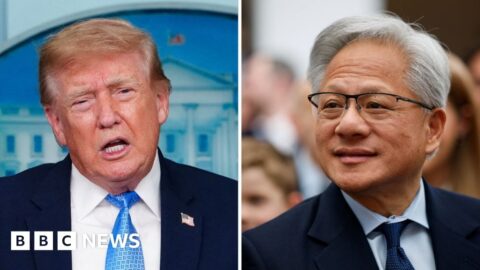
The reports follow renewed diplomatic efforts involving Qatar and Pakistan. Qatari Prime Minister Sheikh Mohammed bin Abdulrahman Al Thani was scheduled to meet President Donald Trump on Monday to discuss a possible ceasefire and renewed nuclear negotiations.
However, the optimism contrasts with comments from U.S. Secretary of State Marco Rubio over the weekend, who dismissed suggestions of an imminent breakthrough, calling Tehran’s demands “not just unacceptable, but in some cases outrageous and ridiculous.” Rubio said Washington remained open to diplomacy but warned that talks had produced little meaningful progress.
Oil markets have shown high sensitivity to unconfirmed diplomatic headlines. Last Wednesday, Brent crude plunged nearly 9%, falling below $95 per barrel amid expectations that the Democratic sweep of Congress would accelerate an end to the Iran war.
That selloff was amplified by reports from Al Jadeed claiming significant progress in U.S.-Iran negotiations, claims later rejected by a senior Iranian official.
Meanwhile, attacks on critical Middle Eastern energy infrastructure continue. Saudi Arabia’s Ministry of Energy confirmed Monday that its strategically important East-West oil pipeline was targeted in the Medina region, triggering a limited fire.
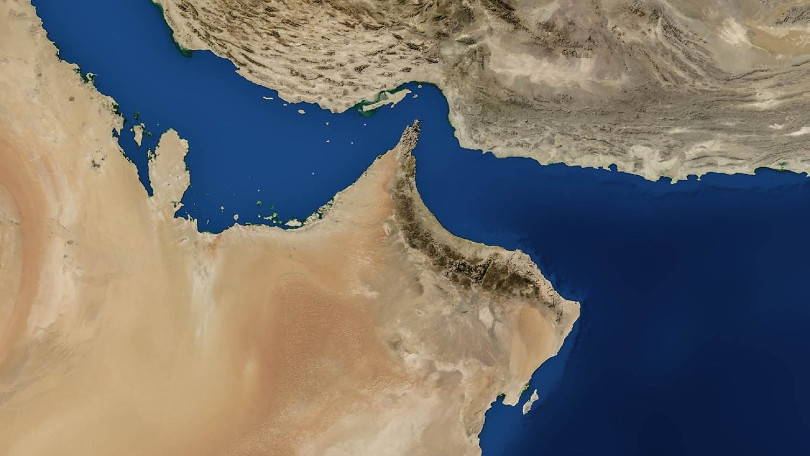
Emergency crews extinguished the blaze, and authorities reported no casualties or disruption to pipeline operations. The pipeline is particularly important because it allows Saudi Arabia to export crude through the Red Sea, bypassing the Strait of Hormuz.
The contrasting developments underscore the uncertainty facing oil markets. While diplomatic progress could eventually restore Middle Eastern energy flows, continued attacks on vital infrastructure suggest the geopolitical risk premium is unlikely to disappear overnight.