Howard Thurman keynote address, Digimart Global: South African theologian and political analyst Bishop Dr Clyde N.S. Ramalaine has become the first South African to deliver the keynote address at the Dr Howard Thurman Birthday Celebration in the United States.
He gave the address on November 18, 2026, which would have been the birthday of the African-American theologian, Baptist minister and civil rights thinker.
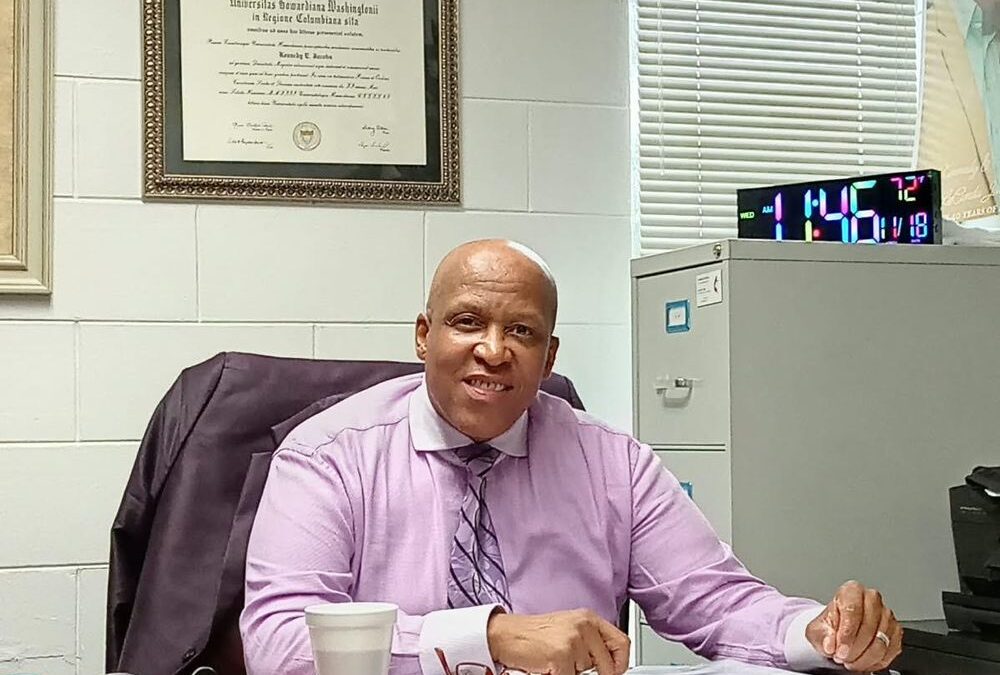
The keynote, titled “Howard Thurman and the Moral Imagination of Democracy: Spirituality, Justice and the Transformation of Society”, examined the relationship between spirituality, racial identity, democracy and the continuing struggle for social justice. Speaking to IOL, Ramalaine said the invitation came from Dr Kennedy E.
Jacobs, chairperson of the organising board of the 2026 celebration, who had been exposed to his public theology work.
The event was associated with the Howard Thurman Historic Home in Daytona Beach, Florida. Ramalaine said it should be distinguished from university-based programmes and lectures dedicated to Thurman’s work, and he described the invitation as meaningful because he was taking part as a South African theologian and interdisciplinary scholar of politics and international affairs.
Ramalaine linked the address to his own life under apartheid. Born in Woodstock in 1966, he said he grew up in Cape Town and experienced racial classification as a system that assigned identities and shaped opportunities.
He said he was involved in Cape student resistance during the 1980s and was expelled from school in 1985 by then Minister of Coloured Affairs Carter Ebrahim, after which he went on the run to Johannesburg, intending to reach Lusaka, Zambia.
He said Thurman’s ideas resonated with his own convictions about faith and human dignity. Ramalaine highlighted Thurman’s encounter with Mahatma Gandhi during the 1935–36 Pilgrimage of Friendship to India, and his book Jesus and the Disinherited, which he said profoundly influenced Martin Luther King Jr.
King reportedly carried the book during the Montgomery Bus Boycott.
In the keynote, Ramalaine argued that democracy requires more than institutions. He pointed to Thurman’s co-founding in 1944 of the Church for the Fellowship of All Peoples in San Francisco with the Reverend Alfred G.
Fisk, an interracial, intercultural and interfaith initiative. Ramalaine said Thurman understood that people could share a common humanity without erasing their particular histories, cultures or identities.
Ramalaine also described South Africa’s 1994 transition as a negotiated settlement that ended formal apartheid and established a constitutional order based on equality and dignity. However, he said the social, economic and psychological structures of apartheid had not been automatically dismantled, and he criticised the continued use of apartheid-era racial classifications in democratic South Africa.
He said he does not dismiss the historical significance of Coloured identity but questioned why his Africanness should be understood primarily through that classification.
Looking ahead, Ramalaine said he hoped the engagement would encourage deeper conversations between South African and American scholars, theologians and religious communities. He said there were preliminary discussions about how he might play a role in the broader conversation, and he encouraged South Africans to draw on spiritual and moral resources to confront inequality, racism, poverty and exclusion.