72-hour emergency backpack recommendation in Mexico City, Digi Mart USA News (Mexico City, Mexico): A recommendation from the Secretariat of Integrated Risk Management and Civil Protection (SGIRPC) of Mexico City to prepare an emergency backpack with supplies sufficient for 72 hours prompted various reactions and speculation on social media. Some users linked the message to similar recommendations issued in other countries and suggested it could be a warning of an international crisis or a possible third world war.
However, the publication from the capital’s agency does not mention military threats or an imminent armed conflict. The official call focuses on preparedness for earthquakes and other emergencies that could temporarily interrupt services such as electricity, drinking water, telecommunications, or the response of emergency services.
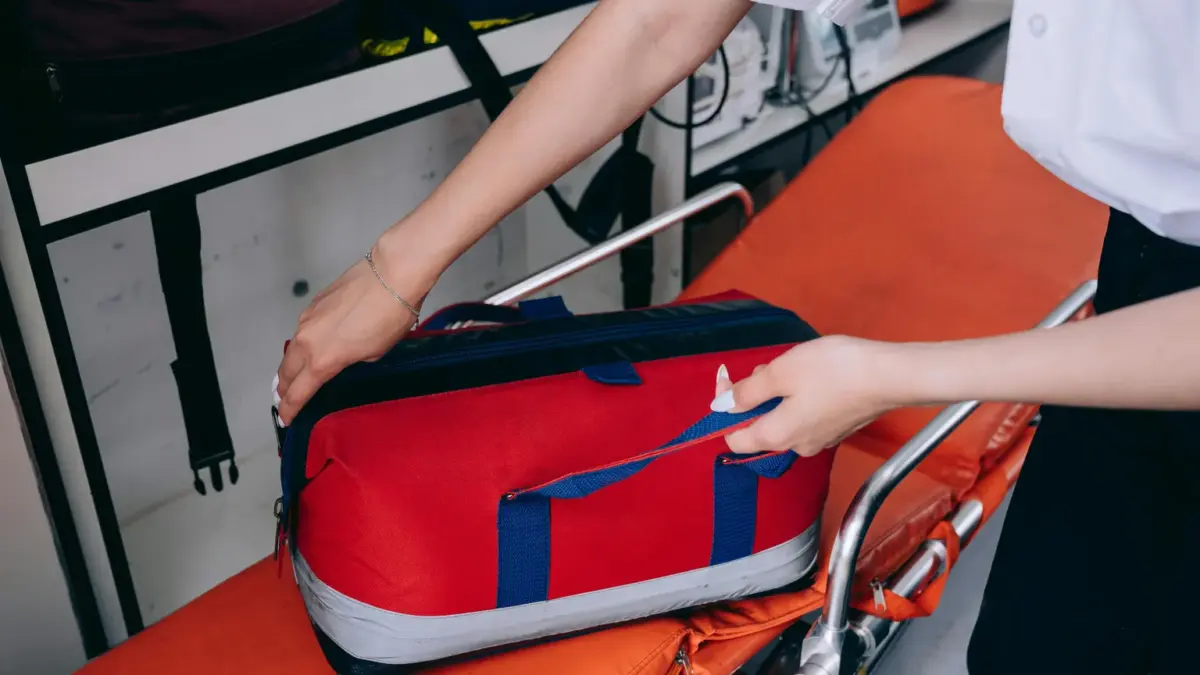
What does the Civil Protection recommendation say? The SGIRPC reminded the public of the importance of having a “Mochila de Vida” (Life Backpack) containing basic supplies to cope with the first 72 hours after an emergency. The agency also invited residents to review the contents periodically and adapt them to each family’s needs.
The original material attributes the publication to October 30, 2026. That date reference requires corroboration and therefore does not on its own establish the currency of the message.
Regardless of the date cited, preparing emergency backpacks is part of the routine civil protection recommendations in the capital. In a city with seismic risk, having water, food, medicine, and basic tools can help families respond while emergency services attend affected areas.
Social media links the message to war. The publication drew attention because governments in countries such as Germany, Sweden, Norway, the United States, and Canada have also promoted household reserves to respond to emergencies. Some internet users interpreted this coincidence as an international warning signal.
However, these reactions reflect users’ theories rather than information confirmed by Mexican authorities.
The message attributed to Mexico City’s Civil Protection does not refer to war, military threats, or instructions related to a geopolitical crisis. International civil preparedness campaigns cover various scenarios, including floods, storms, blackouts, telecommunications failures, cyberattacks, and, in certain countries, armed conflicts.
That several nations recommend storing supplies does not by itself demonstrate that an immediate global emergency exists.
Emergency backpacks are not a new measure. Promotion of this type of kit has precedent in Mexico. The material reviewed notes that the Mexico City government announced the “Mi Mochila de Vida” program to strengthen a culture of prevention in housing complexes and to commemorate the September 1985 and 2017 earthquakes.
These actions aim to help families act during an evacuation and meet immediate needs while awaiting official instructions. They also make it possible to organize documents, medicines, and items that could be difficult to find during an emergency.
What should a 72-hour backpack include? Recommended items include:
Drinking water and non-perishable food. Flashlight, portable radio, and spare batteries.
First-aid kit and essential medications. Copies of important personal documents.
Cash and spare keys. Hygiene items and clothing suited to the climate.
Emergency phone numbers and portable chargers. Manual can opener and supplies for pets.
Civil Protection recommends checking expiration dates on food and medicine and considering the needs of children, older adults, people with disabilities or chronic illnesses, and pets.
Based on the material provided, there is no basis to state that the recommendation is related to a third world war. The call maintains a preventive focus on earthquakes and other emergencies capable of affecting basic services during the first 72 hours.