AI breast cancer screening trial, Digimart Global (England): England’s state-run National Health Service said on Monday it has launched what it calls the world’s largest AI-assisted breast cancer screening trial, set to involve nearly 700 000 women over the next three years. The NHS said hundreds of women have already been invited to take part at the outset.
The programme, valued at £10 million ($13 million), will assess whether tools assisted by artificial intelligence can help improve early cancer detection during screening. Health officials hope that, if successful, the technology will free up specialist clinicians’ time.
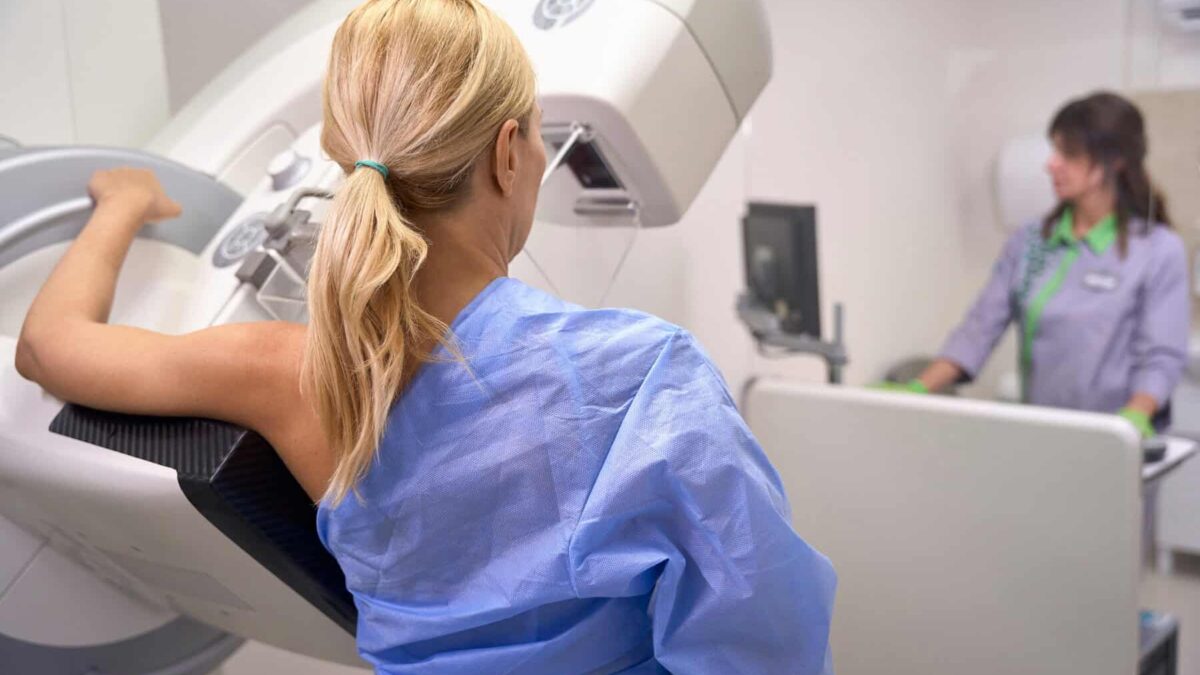
The AI-assisted reading tool will help clinicians review images collected from routine mammograms, according to the NHS. Health Secretary Yvette Cooper described the trial as the biggest AI breast cancer trial in the world, citing the technology’s “huge potential” while pledging “proper safeguards” to ensure safety and effectiveness.
She said that if successful, the technology could help women receive a diagnosis and start treatment more quickly.
How the trial will work
The trial is led by the University of Warwick, the University of Cambridge and Cambridge University Hospitals NHS Foundation Trust, working closely with NHS England. Women attending routine breast screening at 30 planned sites nationwide will be given details about the trial and will take part unless they choose to opt out.
The NHS stressed that screening appointments will proceed as normal. The AI-assisted tool will be used alongside specialists checking the images for cancers that are too small to see or feel.
The trial will test whether AI-assisted tools could allow most images to be reviewed by one specialist rather than the current two. Recruitment has started at Cambridge University Hospitals in eastern England, with more of the 30 selected sites opening in the coming months.
Why it matters
Breast cancer is the most common cancer in women, with around 55 000 diagnosed every year in the UK. Women aged 50 to 71 are invited for screening every three years, amounting to around 2.1 million screenings annually.
The NHS estimates this helps prevent around 1 300 deaths.
A study published in The Lancet medical journal in January said AI can improve breast cancer detection through more effective screening while reducing radiologists’ workloads. That study analysed nearly 106 000 mammograms performed in Sweden as part of its national breast cancer screening programme, involving women with a median age of 53, from April 2021 to early December 2022.