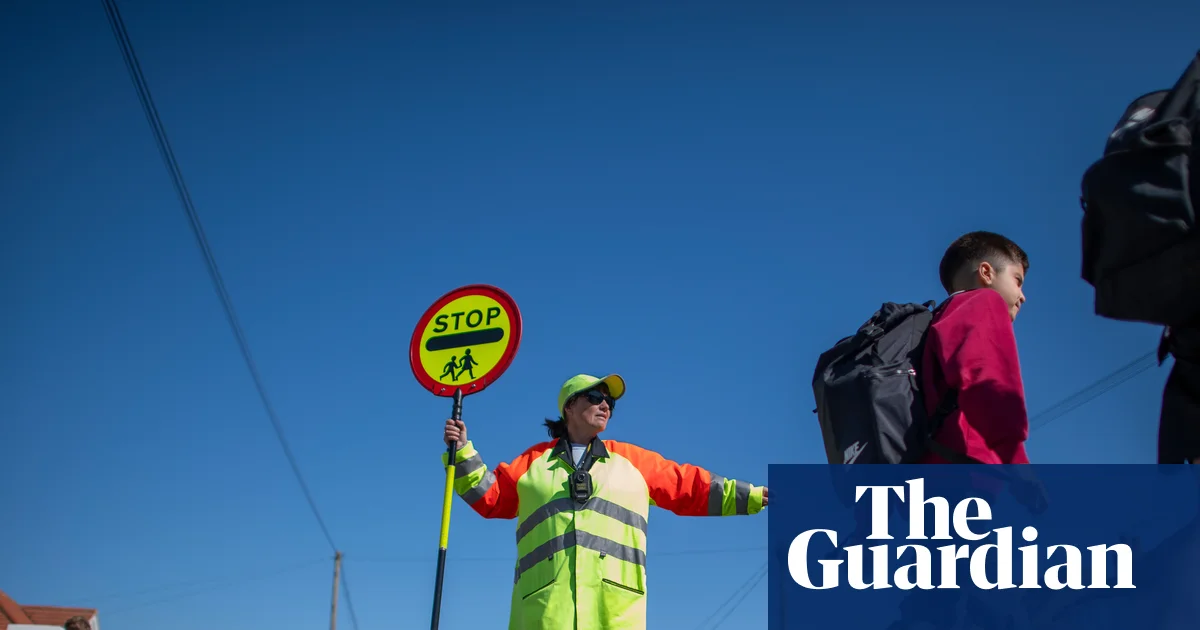
Lollipop people shortage, Digimart Global (United Kingdom): Lollipop people, the familiar figures in yellow hi-vis who help children cross the road on the school run, face an uncertain future as councils struggle to recruit. The Recruitment and Employment Confederation said school crossing patrols were among the roles showing the biggest rise in vacancies in recent weeks, alongside sales roles and exam invigilators.
East Riding of Yorkshire council said last week that a quarter of its school crossing patrol sites were unstaffed and that applicant numbers were dwindling. It said some sites had been vacant for some time with no applicants, while others had become vacant after previous lollipop people retired.
The council is exploring long-term alternatives at some sites, including infrastructure changes such as creating zebra crossings.
Councils have no legal obligation to fill the roles. A council spokesperson said the job may be less attractive today because it involves limited hours each school day, relatively low pay for short morning and afternoon shifts, and working outdoors in all weathers.
The council said it continues to encourage local residents to apply.
Recruitment challenges elsewhere
Redcar and Cleveland borough council also reports difficulties. Its council leader, Alec Brown, said earlier this year that it was not easy to maintain a full roster, explaining: “It’s difficult, you just can’t have a pool of ready-made lollipop people to step up.” A council spokesperson said it receives a reasonable number of applications, but that the part-time, low-hours nature of the roles is a main challenge.
It said three applicants were going through recruitment.
Tom Hayes, MP for Bournemouth East, who has campaigned to save local patrols, said he believed lollipop people could be lost across the country. Reports also note that some councils have provided patrol staff with body cameras after an increase in incidents involving dangerous or aggressive drivers.
Why the roles matter to communities
Some lollipop people say the role offers more than road safety. Ally Mitchell, who took a patrol job in Edinburgh after being made redundant from the video games industry, said he stayed on because of the sense of being a trusted member of his local community.
He described patrol officers as everyday points of human contact that help bring communities together, adding that road markings or traffic lights cannot fully replace them.
Cuts and permanent crossings
In some areas, councils have scrapped vacant positions to save money. Durham council, which is controlled by Reform UK, decided last year to scrap vacant crossing guard roles as part of a savings drive, saying the posts had been vacant for a prolonged period without incident.
Earlier this year, Bournemouth, Christchurch and Poole council postponed proposed cuts to its patrols after a campaign to save the roles. The council had decided in 2024 to upgrade some patrol sites with permanent crossings, which it said provide a safe facility available around the clock.
According to data obtained by the GMB trade union under freedom of information laws, the number of school crossing patrol officers in England, Scotland and Wales fell by 2,081 over a decade, from 7,128 in 2009-10 to 5,047 in 2017-18. The GMB figures are the latest data cited in the report.