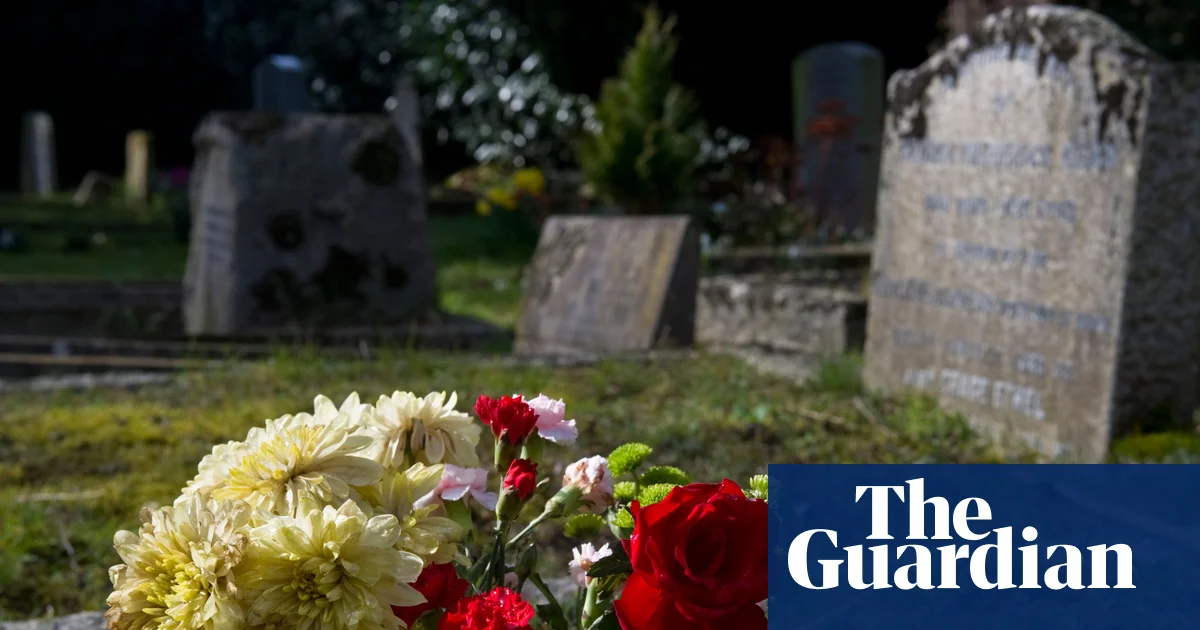
Funeral expenses payment, Digimart Global (United Kingdom): Bereaved families are borrowing money or going without a memorial service because financial help from the state no longer covers even half the typical cost of a funeral director’s fee, according to a report by The Guardian.
The funeral expenses payment was originally designed to cover the cost of a simple funeral. Lindesay Mace, co-manager of Down to Earth, a funeral costs support service run by the charity Quaker Social Action, said the payment has fallen far behind what families now face.
How the payment works
For eligible households in England, Wales and Northern Ireland, the benefit covers reasonable cemetery or crematorium fees plus up to £1,000 for other funeral expenses. Scotland has its own version.
While the first element has kept pace with inflation, the £1,000 cap has been raised only once in 23 years and has been frozen since 2020.
Families left short
The helpline supports about 1,000 people a year. One recent case involved a woman, Carol, who was grieving the unexpected death of her daughter.
She received the benefit but said it still left her £1,000 short even after a simple funeral, and she is still trying to pay for a headstone.
Wider freezes on bereavement support
The bereavement support payment, which provides short-term help after the death of a partner, has also been frozen since its introduction in 2017. A recent report by the Social Security Advisory Committee said the freezes have led to substantial real-terms falls in its value. The higher rate, for claimants with children, comprises a £3,500 lump sum and up to 18 monthly payments of £350, totalling £9,800. Had it risen in line with the consumer prices index, the report says it would be worth £13,448. Had the £1,000 funeral cap risen with CPI, it would now be about £1,300.
Rising costs and difficult choices
According to the report, the average cost of essentials such as mortuary care, the coffin and hearse is £2,605, meaning state help meets less than 40% of the bill. The report says individuals often face large shortfalls and some are forced to sell the valuables of deceased loved ones or turn to illegal money lenders.
Terry Tennens, chief executive of the National Society of Allied and Independent Funeral Directors, warned that the pressure pushes people towards unattended cremations because they are cheaper. He said the lack of a memorial has consequences when people are grieving and have no place to remember and gather.
Parliamentary debate
MPs will debate the bereavement support payment on Monday, following a petition calling for it to be uprated annually and extended beyond 18 months that received more than 108,000 signatures. A Department for Work and Pensions spokesperson said the payment is intended to provide short-term financial support and that further help with everyday living costs may be available through universal credit, which provides targeted, means-tested support to those in greatest need.