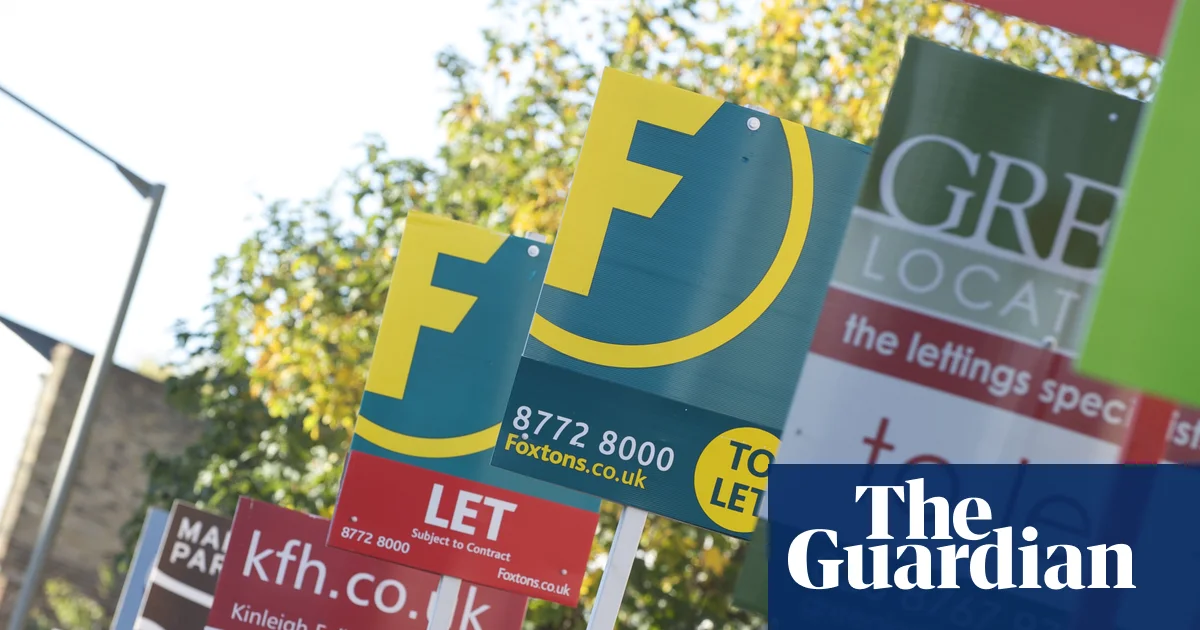
Cost of renting Britain, Digimart Global (United Kingdom): The cost of renting a home in Britain is expected to rise about twice as fast as the cost of buying one until at least 2029, according to research from estate agent Hamptons. Rents on newly agreed lets are forecast to grow by 14.2% between 2026 and 2029, compared with house price growth of 7.2% over the same period.
Hamptons said it expects rent growth to peak at 4.5% in 2027 across Great Britain, before rising by an estimated 3.5% in 2028 and 2.5% in 2029. The firm links these forecasts to a shortage of homes available to rent, which it says is expected to remain under pressure as landlords face higher costs and tighter regulation.
Rental supply under pressure
Rents are usually set by the balance between supply and demand, and fewer rental homes keep upward pressure on what landlords charge. Hamptons found that the number of rental homes available in October was 26% lower than a decade earlier, with an even sharper 39% fall in London over the same period.
Demand has also remained high. Hamptons reported that 10% more people were hoping to rent a property in October compared with a year earlier, as affordability pressures continue to affect would-be buyers.
Landlords passing on costs
Aneisha Beveridge, head of research at Hamptons, said the central challenge facing the rental market is increasingly one of supply. She added that landlords have historically had limited scope to pass on higher costs to tenants, but that rising costs across the sector and falling rental supply have shifted that balance, allowing more increases to feed through into higher rents.
According to the research, the number of rental homes has been squeezed by regulatory changes under the Renters’ Rights Act, while higher tax and mortgage rates over the last decade represent about £900 a tenancy in England each year, equivalent to 18% of rental growth over that period.
Renting versus buying in the cities
Separate research by Lloyds Bank found that buying a home is cheaper than renting across seven of the UK’s 12 largest cities outside London. The biggest savings were in Glasgow, where estimated mortgage repayments were £288 a month lower than average rents.
The analysis was based on Office for National Statistics data and the monthly cost of a 95% mortgage at an interest rate of 5.82%, arranged over 30 years.
Estimated monthly mortgage payments were also cheaper than average rent in Newcastle, Bristol, Belfast, Nottingham and Manchester, while the saving from buying instead of renting in Edinburgh was minimal. Lloyds found monthly rent was cheaper than mortgage repayments in cities including Leeds, Liverpool, Birmingham and Cardiff.
Andrew Asaam, mortgages director at Lloyds, said that monthly costs matter for anyone weighing up whether to keep renting or buy, and that higher mortgage rates this year have made the affordability calculation even more important. He added that even where a mortgage costs a little more, each repayment reduces the amount owed and builds an owner’s stake in their home, which can make a real difference over several years.