Datacentre lobbying Australia, Digimart Global (Australia): Bosses at 10 datacentre companies secured almost 120 meetings with premiers and ministers in five states over a three-year period, according to an analysis by Transparency International Australia. The group says the experts behind the analysis describe these figures as “just the tip of the iceberg”.
The analysis argues that these meetings, combined with political donations, show “unfettered access” to decision-makers that creates an “uneven playing field”. The report found donations from major datacentre companies and their contracted lobbying firms nearly tripled over three years, from $685,000 to $1.8m, a rise that coincided with increased investment across Australia.
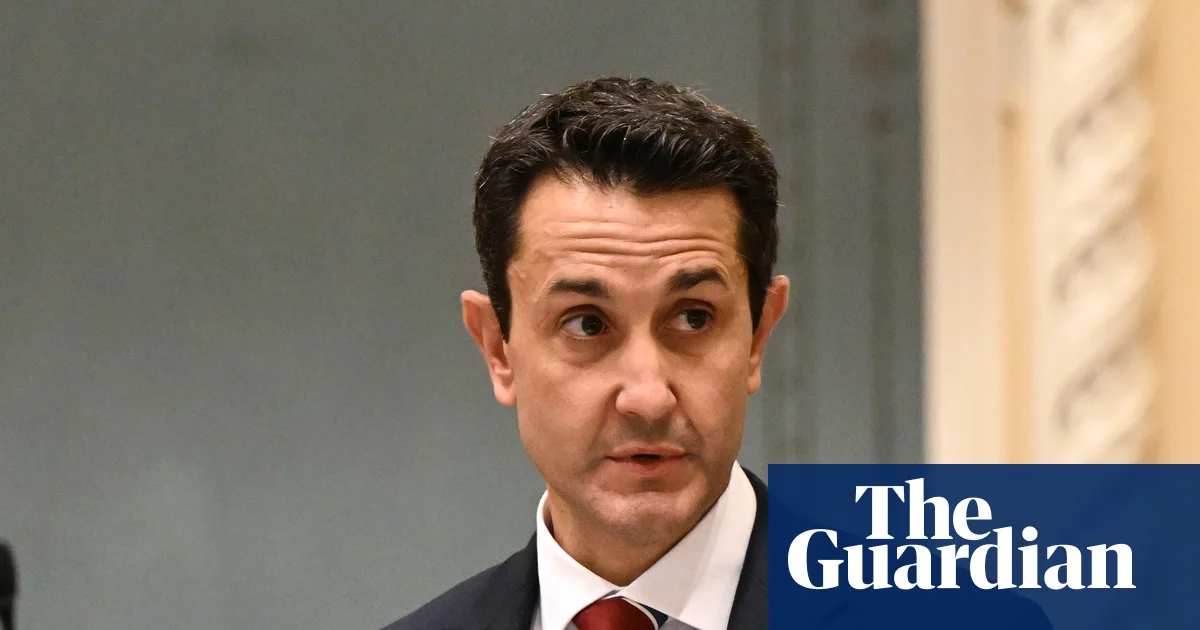
The report found Queensland Premier David Crisafulli was “by far the most frequently accessed state premier”, with public diaries showing 13 meetings with datacentre executives in the past three years. This included three meetings in three weeks in August and September with NextDC, Australia’s largest datacentre operator, about a month before the company’s expansion in Melbourne was halted after its power provider delayed construction of new power poles due to community backlash.
The report notes that Crisafulli then announced a dedicated framework to fast-track datacentre approvals by taking them out of the hands of local councils. Crisafulli has also embraced datacentre investment and flew to the United States in September to secure a $31.9bn deal with the AI company Anthropic for what could become Australia’s largest datacentre.
His office was contacted for comment.
Of the 119 meetings with ministers or premiers recorded over the period, held in New South Wales, Victoria, Tasmania, Queensland and the ACT, these being the only jurisdictions that publicly release ministerial diaries, most took place in 2026. Clancy Moore, chief executive of Transparency International Australia, said the government does not know how many meetings companies such as NextDC, OpenAI and Anthropic, and their third-party lobbyists, are having with the prime minister and federal ministers.
Moore also said Australia’s lobbying laws do not cover in-house lobbyists or government relations staff, leaving little oversight of their activities.
The report also found Firmus Technologies secured 10 meetings with Tasmanian ministers and the premier this year alone, while its expansion in the state has faced sustained backlash from local communities who feel they were not properly consulted. The three companies securing the most ministerial meetings were Amazon Web Services, Macquarie Technology Group and NextDC.
The report also cites four senior public servants at federal departments who left to take leadership roles at OpenAI, AirTrunk and CDC, three of those appointments made this year.
Guardian Australia reported last month on political donations from Amazon and Macquarie to both major parties, which closely aligned with announcements of multimillion-dollar government contracts or planning developments. Both companies say the donations were not aimed at influencing policy and that the timing was coincidental.
At NextDC’s annual general meeting, chair Stephen Flynn said he was “not sure we are great at lobbying as an industry or as a company”, while Sally Mackenzie, president of the Australian Professional Government Relations Association, said in September that the level of engagement between industry and ministers showed the system working as intended.