

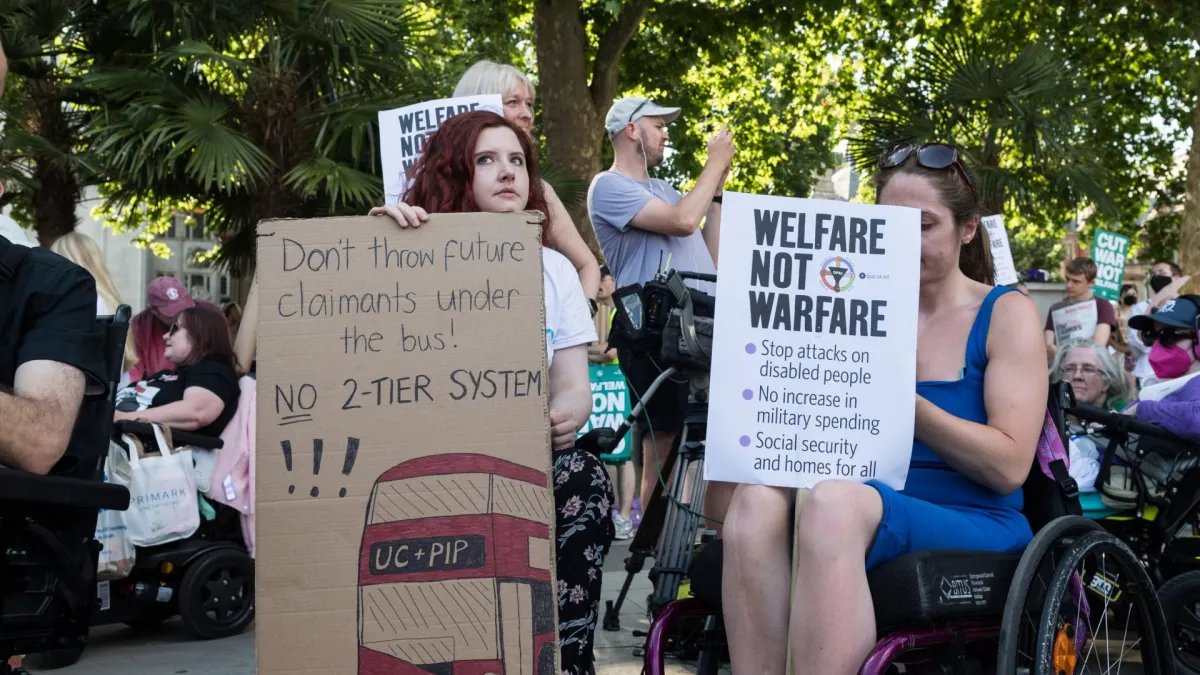
Universal credit overhaul, Digimart Global (United Kingdom): Officials are drawing up plans to reform how universal credit works for people of all ages, potentially opening the door to new conditions for claimants, according to reporting by The i Paper. The reported changes are described as a “big reset” of Britain’s welfare system, amid growing concern about the rising number of people claiming health-related benefits without any requirement to engage with employment support.
Why the government is considering changes
The UK’s main health-related benefits are personal independence payment (PIP), disability living allowance (DLA), employment and support allowance (ESA) and the health element of universal credit. PIP helps cover the extra costs of a long-term health condition or disability and is not means-tested, whereas universal credit is.
The plans could place new conditions on people claiming the health element of universal credit. A source familiar with discussions at the Department for Work and Pensions (DWP) said existing schemes to move people on health benefits into work, including the “right to try”, are currently “voluntary” for universal credit claimants, and warned that this may change under Labour’s reforms.
Possible sanctions and work requirements
The source said this could open the door to benefit sanctions for people who can work in some capacity but are not willing to engage with employment support. Under the current system, people assessed as having limited capability for work can be placed on a health-related benefit pathway without any requirement to look for a job, while those judged fit for work can face cuts if they repeatedly refuse opportunities.
Claimants who can work in some capacity could in future be required to engage with employment support, with exceptions for those deemed unable to work under any circumstances.
Links to the Milburn review and PIP review
The reporting follows a report by Alan Milburn, a former health minister, which proposed an “entirely new benefit system for young people”, with under-25s no longer able to claim the health element of universal credit unless they have a severe disability or health condition that means they will likely never work. Prime Minister Andy Burnham has suggested people with health conditions and disabilities will be supported into employment “right through the age range”.
A major government review of PIP, led by disability minister Sir Stephen Timms, is expected to conclude that the system is “not fit for purpose” and recommend closer alignment with employment and participation.
Labour backbench MPs have broadly accepted Milburn’s recommendations for young people, but the prime minister will need to persuade former rebels to back any wider overhaul affecting those over 25. Sir Keir Starmer previously faced a damaging rebellion when he attempted to cut the benefits bill by £5bn, forcing a U-turn on restricting eligibility for PIP and the universal credit health top-up.
Scale of the issue and next steps
DWP figures cited in the report show a record 6.7 million people of all ages claimed some combination of out-of-work benefits with no work requirement in March 2026. Work and Pensions Secretary Pat McFadden has signalled a shift from supporting unemployment towards focusing on what an individual can do, and reportedly wants a “big reset” of the welfare system. Any change is expected to examine a person’s functional capability rather than automatically awarding or cutting benefits by condition.
It is not yet clear how a new disability support assessment would work or how millions of current claimants could be reassessed. Legislation is expected next year, with more detailed proposals due in early 2027. A government spokesperson said the Milburn review and upcoming Timms Review “will help shape our next steps on welfare reform”, adding that Jobcentres are being overhauled and that £2.5bn is being invested in the youth employment package and a record £3.5bn to help disabled people and those with long-term health conditions into work.