
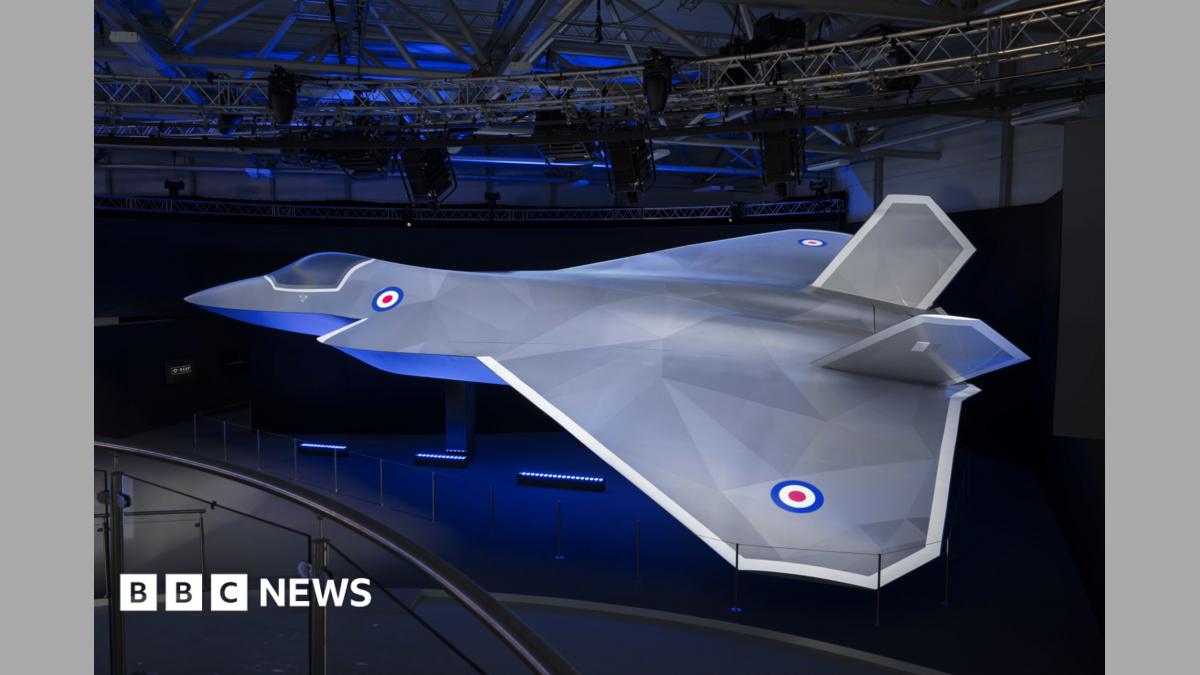
GCAP fighter jet, Digimart Global (United Kingdom): Britain’s next-generation fighter jet could be the last crewed combat aircraft the UK builds, according to the head of the Royal Air Force. Air Chief Marshal Sir Harv Smyth said artificial intelligence-enabled uncrewed aircraft would transform military aviation.
The comments refer to the Global Combat Air Programme (GCAP), a partnership between the UK, Italy and Japan to develop a sixth-generation fighter jet, expected to enter service by 2035. The aircraft, commonly known as Tempest, is expected to offer speed, stealth, advanced sensors and artificial intelligence to assist the human pilot when overwhelmed or under extreme stress.
Writing in the Telegraph, Sir Harv said the GCAP aircraft was “perhaps the last crewed fighter we will ever build”. He said this was not because people would become less important, but because advances in technology were changing the nature of air combat.
He argued that AI and machines would take on “the most dangerous tasks instead of humans”, while stressing that technology should enhance human judgement and “not replace accountability”.
Sir Harv also said uncrewed fighter jets would begin flying in UK airspace next year, and that the RAF of the future would combine Typhoons and F-35s with autonomous systems.
Programme progress and partners
The programme was announced in 2022 by the UK, Italy and Japan, which are jointly developing the aircraft. In July, the three countries signed a £4.6bn contract covering the next phase of its design through the industry joint venture Edgewing.
According to GCAP, the aircraft will be powered by advanced data processing and artificial intelligence, with enhanced stealth technology. The UK government says the project already supports 3,500 jobs and 1,000 apprenticeships.
Canada was granted “observer nation” status in July, giving it privileged access to the programme without a decision-making role. In October, Prime Minister Andy Burnham said the UK government would “seek to progress” Germany joining GCAP, adding that the partnership could also support cooperation on countering hybrid attacks and interference in democratic processes.