
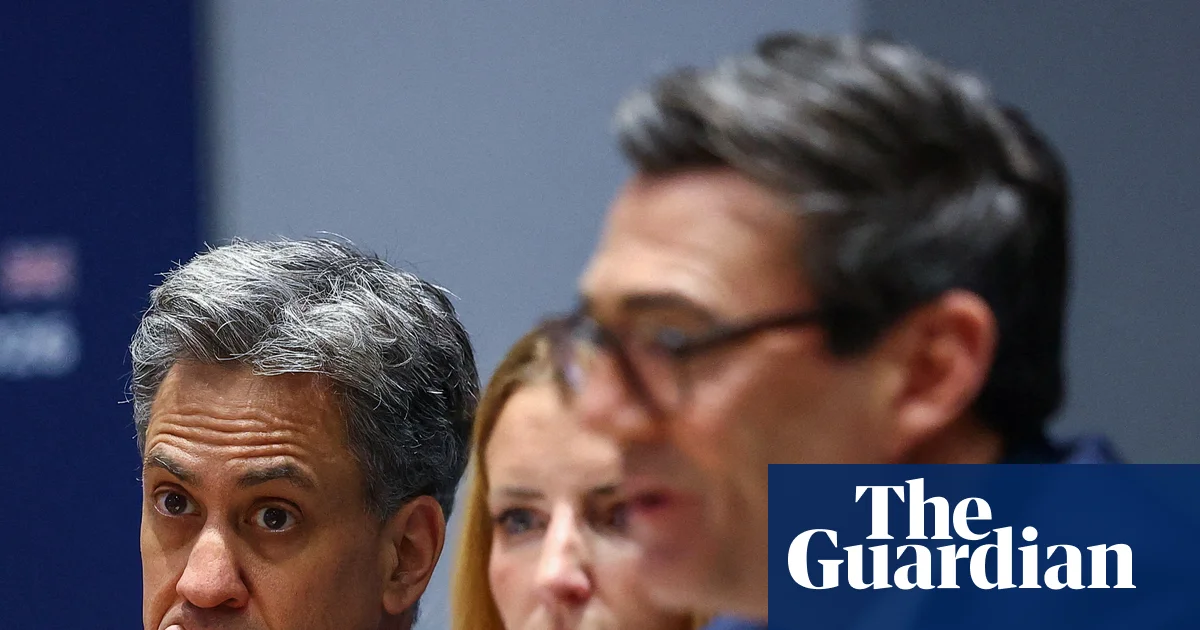
UK EU youth mobility deal, Digimart Global: Prime minister Andy Burnham has agreed deals with the European Union on trade and young people, with agreements on food and drink standards, emissions trading and a youth mobility scheme announced after talks this week.
Under the youth mobility scheme, 100,000 young Britons will be allowed to live, work, study and travel in the EU, with similar access for Europeans in the UK. Burnham said the agreement would add 0.5% to the UK’s GDP, a £17bn boost to the British economy.
Rejoining the EU raised in talks
Foreign secretary Ed Miliband said Burnham would hold further informal discussions with EU leaders in Brussels over the next year about what could happen next, and that "all the options will be on the table" when asked about rejoining the bloc. He said the agreements this week were the limit of what could be done before the next general election.
Labour has so far kept to the "red lines" in its manifesto, which ruled out rejoining the single market or customs union and freedom of movement. Miliband said he accepts the result of the 2016 vote but that "the world has changed massively", adding that the government was respecting those red lines in this parliament.
Burnham has previously said he wants to see the UK rejoin the EU in his lifetime.
Conditions and risks to the deals
The trio of deals could be derailed in six months, as the EU has threatened to block them unless the UK allows European students to pay domestic-level fees to study at British universities. The prime minister will use the announcement of his 10-year plan before Christmas to explore how the UK could move closer to the EU after the next election, with informal discussions taking place before next year’s UK-EU summit.
Reaction and next steps
Burnham described the agreement as a "good day for Britain and Europe", saying it answered challenges including the cost of living, lack of economic growth, illegal immigration and difficulties facing young people. He said the legislation would enter parliament next week.
European Commission president Ursula von der Leyen played down the disagreement, saying she was "confident we are going to find a solution" and welcomed the further discussions.
Environment secretary Angela Eagle told BBC Radio 4’s Today programme that the deal was good for farmers, saying it would open new markets and reduce friction and costs at the border for UK agriculture and food.