
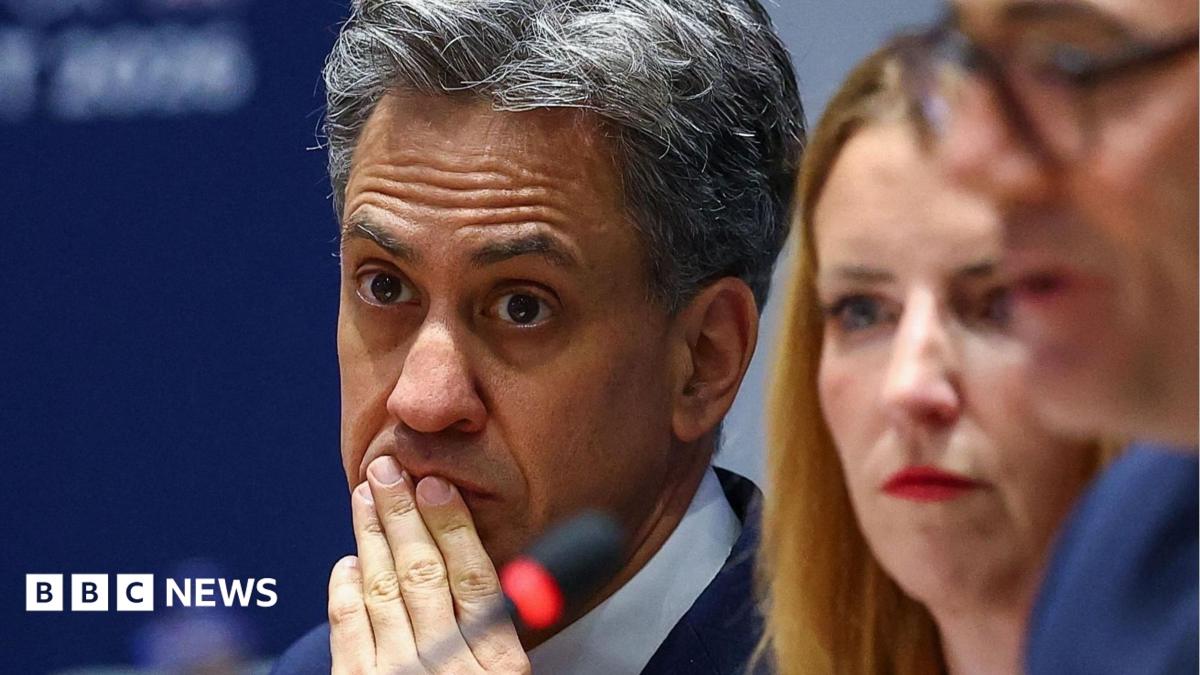
UK-EU deal tuition fees, Digimart Global (Brussels): A deal agreed between the United Kingdom and the European Union in Brussels on Friday will come into force regardless of whether the two sides can negotiate a separate agreement on tuition fees, Foreign Secretary Ed Miliband has told the BBC.
What the agreement covers
The measures include scrapping most checks on British food exports, in return for the UK following some EU regulations from 2028. The package also includes a new youth mobility scheme and agreements on energy.
Tuition fees remain unresolved
A proposal from the bloc to lower the level of tuition fees paid by EU students in the UK has not been agreed. European Commission President Ursula von der Leyen said she was “confident” a solution would be found, and Prime Minister Andy Burnham added “me too” during a press conference announcing the deal.
Miliband said it was “absolutely clear” the food export, energy and youth mobility agreements would apply, describing tuition as a separate issue. He said legislation would be introduced in Parliament, and that the dates for the measures are set out for 2028.
Cost and wider relations
Miliband said there would be no cost to UK taxpayers for anything agreed at the summit and no new contributions to the EU budget. Burnham said the Treasury believes the deal could boost the UK economy by up to £17bn a year, a figure Conservative leader Kemi Badenoch disputed.
Asked whether rejoining the EU would be considered, Miliband said “all the options will be on the table”, adding that the government would look at the benefits and costs of different options while respecting the red lines in the current Parliament.
Political reaction
Badenoch said the deal was “not fair”, while Reform UK leader Nigel Farage described it as a “betrayal of the British people”. Liberal Democrat leader Sir Ed Davey said a youth mobility scheme was a step forward but more than “tweaks” was needed.