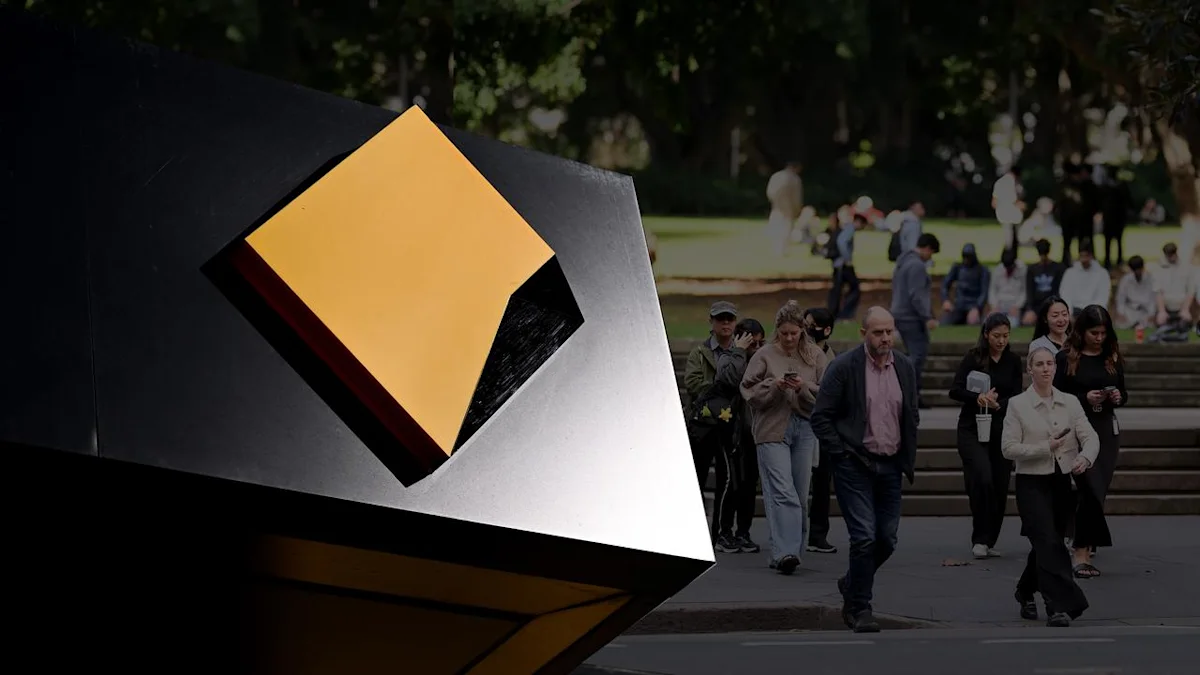
CBA partial refund of Centrelink recipient fees, Digi Mart USA News (Canberra, Australia): Commonwealth Bank chief executive Matt Comyn defended the bank’s decision to refund only $93 million of $270 million in excessive fees charged to people receiving Centrelink payments, as he faced sharp questioning from federal MPs in Canberra on Friday.
The Australian Securities and Investments Commission found in July 2025 that the bank had charged the fees to Centrelink recipients between 2019 and 2024. Comyn said the bank had chosen to repay some customers as a goodwill measure, but rejected pressure to return the full amount.
Labor MP Ed Husic, who chairs the parliamentary inquiry into the banks, challenged Comyn over how CBA had handled other fee-related cases. Husic said, “Till the end of my days, I think CBA has to pay those low-income customers back,” arguing that relying on the bank’s terms and conditions did not answer whether it had a responsibility to repay the money on grounds of fairness.
Comyn said he did not want to get caught up in “semantics” over whether the fees were excessive, adding that “reasonable minds can differ” on the appropriate level of reimbursement. He said the bank had sought to identify the customers for whom a refund was most appropriate and had tried to strike a balance.
The hearing came a day after the Australian Securities and Investments Commission sued CBA over alleged undisclosed fees of $8.5 million attached to business accounts. Comyn told MPs the bank had refunded more than 90 per cent of affected customers and contacted the remaining customers, and said the issue dated back to 2006.
MPs also questioned executives about housing lending. Retail banking head Angus Sullivan said CBA’s construction lending had increased by 25 per cent over the previous six months, with 6,130 dwellings financed in the 2025/26 financial year, up from 4,440 the year before.
First-home buyers made up 28.5 per cent of CBA mortgage applicants in October, compared with 14.8 per cent a year earlier, while the share of investor applications halved to 22 per cent.
Sullivan’s figures may indicate that changes to negative gearing and the capital gains tax discount announced in the May federal budget are encouraging investment in new housing while shifting some activity towards owner-occupiers. Asked whether the mix had balanced, Comyn said it had shifted.
National Australia Bank chief executive Andrew Irvine, who also appeared before the inquiry, warned that Australia’s “national obsession” with housing investment should be reconsidered to support productivity.