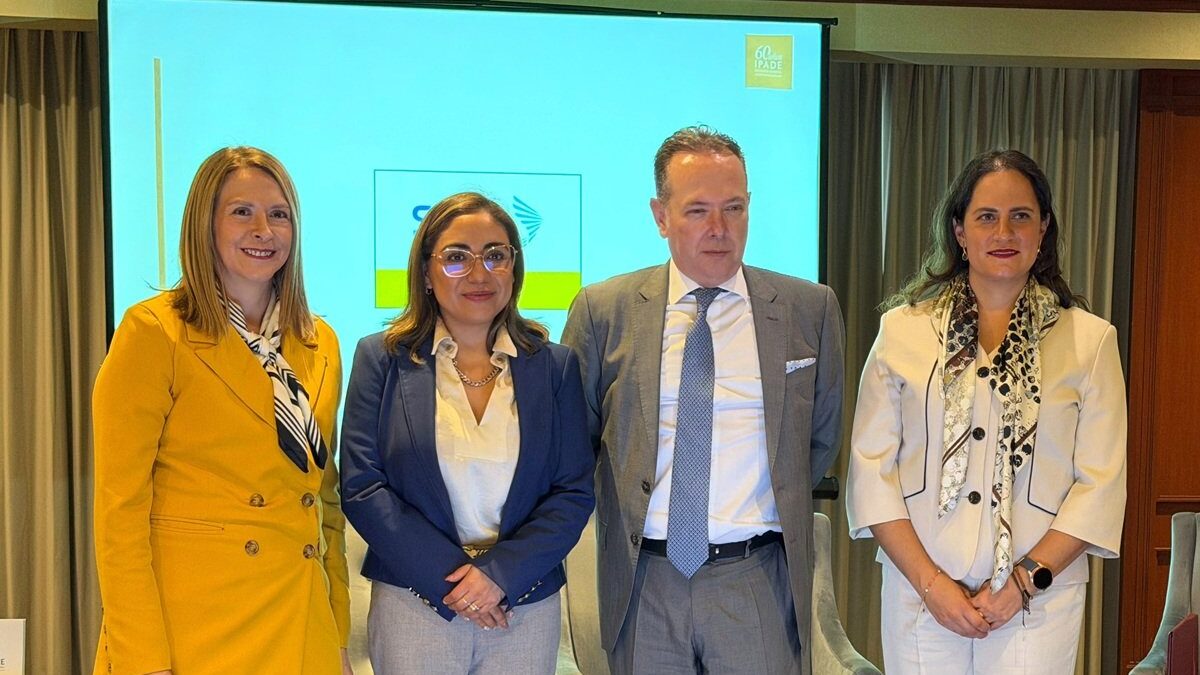
Labor market participation and reinsertion challenges in Mexico, Digi Mart USA News (Mexico): According to a study titled ‘Retos de la inserción y reinserción laboral,’ prepared by the Centro de Investigación de la Mujer en la Alta Dirección (CIMAD) of IPADE Business School and Afore SURA, 44.3% of Mexico’s working-age population does not participate in the labor market. Of this group, 42.8% is outside the workforce and not actively seeking work.
The research examines structural barriers that limit professional development and long-term financial well-being. It reports significant gender differences: around 70% of men have paid employment, compared with 43% of women.
Motherhood also has a direct effect, as 45.2% of mothers are employed, compared with 38.3% of women without children. From the third child onward, inactivity in the labor market is predominantly female.
The data show that 67% of mothers seeking to re-enter the workforce have prior professional experience, compared with 55% of men and 22% of women without children. However, they face severe barriers linked to family care.
Yvette Mucharraz y Cano, director of CIMAD and professor in the Personnel Management area at IPADE Business School, said the study identified professional interruptions, employer perceptions of outdated skills, the need for greater workplace flexibility and loss of confidence in capabilities as obstacles. She added that the lack of public and private care support schemes accounts for 54.5% of the additional reasons women with children cite for not seeking work.
A separate study, ‘Trabajo decente en México, 2005-2026,’ found that informal employment averaged 57.1% over the period analyzed, directly affecting retirement savings. Under current conditions, a person would accumulate 555 contribution weeks after 50 years of work.
Men would accumulate 685 weeks, compared with 441 for women.
Emilio Bertrán, general director of Afore SURA, said opportunities for participation, retention and reinsertion in the labor market directly affect long-term financial well-being, including access to a pension. He said making gaps that particularly affect women visible through research and evidence is essential to advancing their professional development and their ability to build a better retirement.