Honda motorcycle production expansion in Mexico, Digi Mart USA News (El Salto, Jalisco, Mexico): Honda, the Japanese company, has inaugurated a new production line focused on motorcycles at its factory in El Salto, Jalisco, as part of a strategy to respond to new needs in the Mexican market and gain greater efficiency by replacing imports from China.
According to Yuichi Murata, president of Honda Mexico, speaking at the inauguration event, the new line will produce 66,000 motorcycles per year, raising the plant’s manufacturing capacity to more than 240,000 vehicles. The line will focus on assembling medium- and high-displacement motorcycles, incorporating advanced technologies such as front and rear ABS brakes and liquid-cooled engines.
The line can also modify its production processes, allowing it to adjust manufacturing as market behavior changes. “What we are betting on is manufacturing higher-displacement models, precisely because the Mexican market demands models that are more flexible, above all economical and more dynamic,” explained Andrés Caballero, Honda’s vice president of sales and after-sales service.
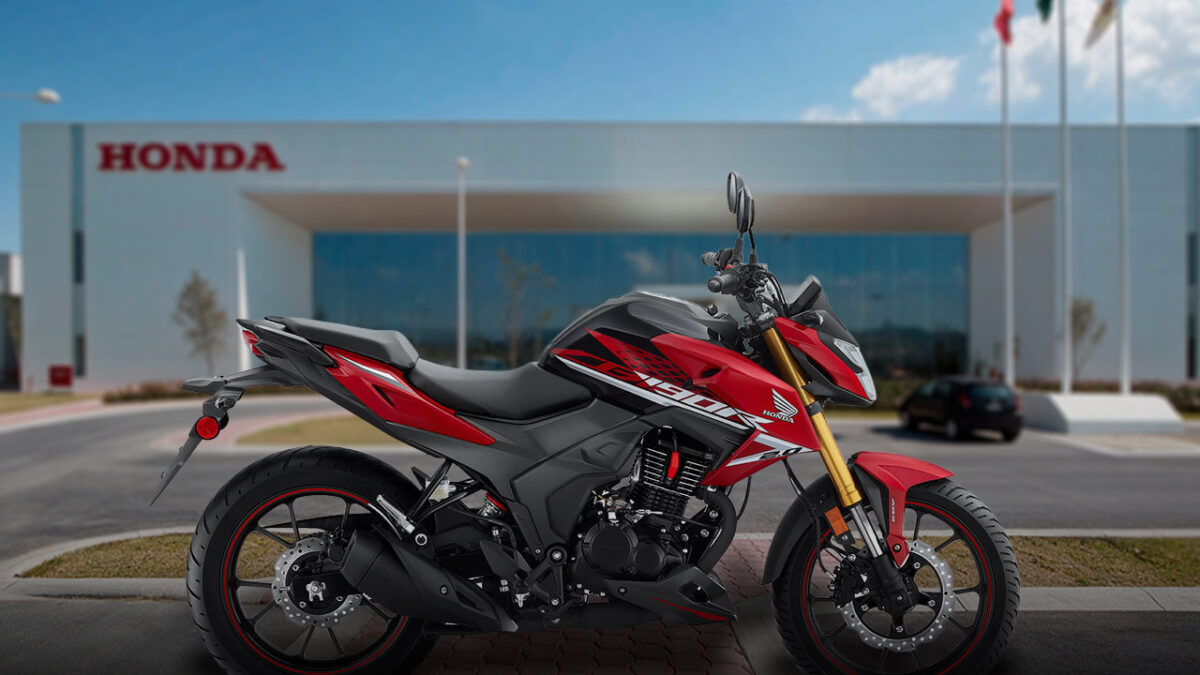
The new line will have the capacity to produce 10 different motorcycle models. Production started on September 18 with the CBF 150, followed a month later by the CB 190 and NX 190, with plans to add a fourth model before the end of 2026.
Until now, a large share of motorcycles in this segment were imported from China, so the decision to produce in Mexico will also allow the company to reduce its dependence on imports and gain greater control over costs. The infrastructure of this line also represents a technological leap that will allow the plant to transfer advanced production processes and avoid exclusive dependence on long-distance Asian imports.
The new assembly line is part of an effort to meet growing demand for motorcycles in the domestic market, which has been driven by the delivery sector and the need for fast, low-cost vehicles since the COVID-19 pandemic. Eduardo López, Honda Mexico’s vice president of manufacturing and administration, explained that demand for work motorcycles grew and that transportation problems during COVID led many people to buy motorcycles and scooters to move quickly and efficiently.
To serve different consumer profiles, the company has also formed alliances with national companies such as Banco Azteca and BanCoppel, as well as Sociedades Financieras de Objeto Múltiple (Sofomes) and financial technology companies such as Mexicash and Galgo.
Honda currently holds 10% of the Mexican motorcycle market and aims to reach 51% penetration by 2030. Its sales have doubled over the past five years.