Non-recours aux aides sociales en France, Digi Mart USA News (France): Not all people eligible for social assistance apply for it. The non-take-up rate reaches 30% to 40% on average across all benefits.
The causes are numerous, which makes the phenomenon very difficult to curb despite the efforts of public authorities.
For three years, 39 local authorities have taken part in an experiment called “Territoire zéro non recours” (Zero Non-Take-Up Territory). The experiment’s evaluation committee submitted a first assessment to parliament in early October.
Although local field feedback has been largely positive, the scheme has not yet structurally reduced non-take-up of social benefits on a large scale. Rates remain high: about 30% on average for the RSA (active solidarity income) and up to 50% for the minimum old-age allowance.
About 35,000 people benefited from the experiment. Some learned that certain social benefits existed through communication campaigns and door-to-door outreach.
This is a first step, but knowing that an aid exists and that one is entitled to it is not enough. Non-take-up is partly explained by a lack of information, but not only by that.
Complex procedures, fear of stigma or checks, and particular family situations all play a role.
For example, some people eligible for the minimum old-age allowance (allocation de solidarité aux personnes âgées) do not apply because they fear it could penalize their heirs. Indeed, at the time of death, the national old-age insurance fund (caisse nationale d’assurance vieillesse) recovers, above a certain threshold, part of the sums paid.
Another measure aimed at tackling non-take-up is “solidarité à la source” (source-based solidarity), introduced by the government in March 2025. Its goal is to simplify administrative procedures for applications for the RSA and the prime d’activité (activity bonus).
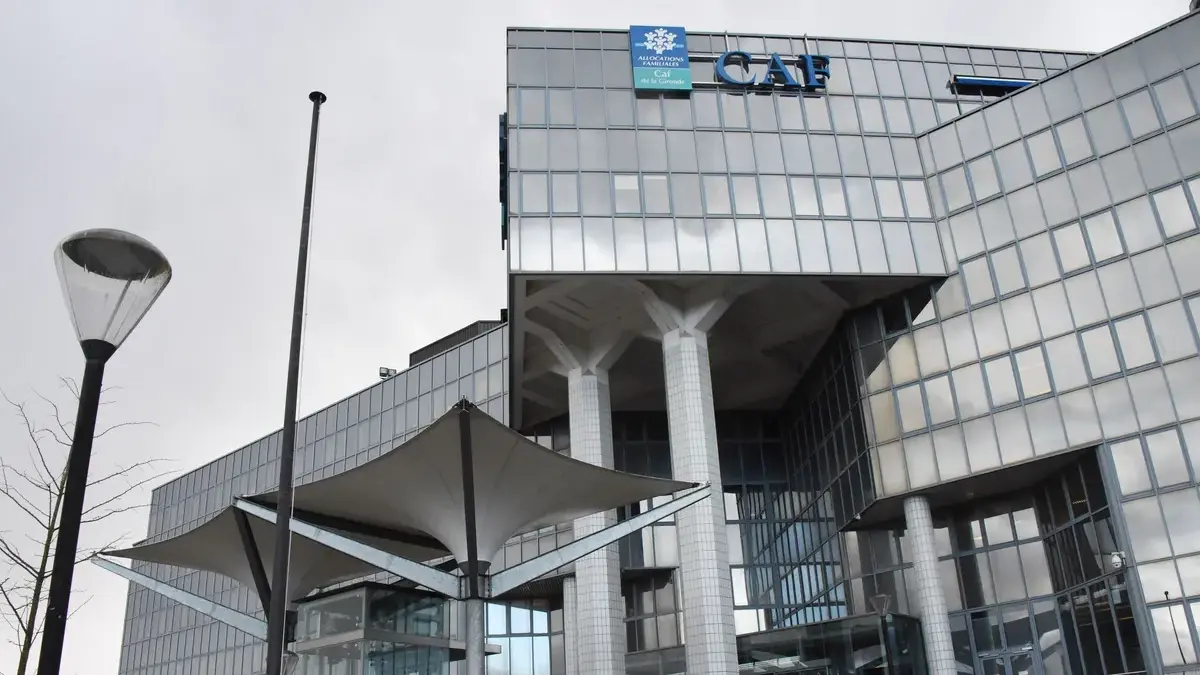
Beneficiaries have less information to provide, which limits the risk of error. However, it mainly concerns those who already receive aid from the Caisse d’Allocations Familiales and does not solve the problem for isolated people who are furthest from public services.
What is the economic impact of non-take-up? At first glance, it reduces social spending.
For example, if all people eligible for the RSA applied for it, it would cost departments 3 billion euros per year. In reality, however, the calculation is more subtle, notes Rémi Le Gall, a teacher-researcher at the University of Lorraine: “On one side, there are savings, but there are also costs that must be assumed.
When there is non-take-up, these are people who consume less and whose health deteriorates. Take the caricatural example of a person who does not receive their RSA of around 600 euros, who does not eat properly and ends up living on the street.
Behind that, there are other, more expensive measures for society that have to be put in place, such as emergency accommodation centers.”
Furthermore, since January 2025, RSA recipients have been automatically registered with France Travail, the public employment service. They must complete 15 hours of activity per week intended to promote their professional integration.
For the government, fighting non-take-up of the RSA therefore serves another purpose: identifying people without employment, ensuring their registration with France Travail, and hoping in this way to eventually bring down the unemployment rate.