vinegar vs hydrogen peroxide disinfectant, Digi Mart USA News: Many natural cleaning claims circulate online, and the publisher article examines whether household vinegar and hydrogen peroxide live up to their reputations as disinfectants. Both are common household staples often cited for sanitizing properties.
White vinegar typically contains around 5% acetic acid, with the rest being water. At that concentration, the article says acetic acid can dissolve stuck-on dirt and grime and has some antimicrobial properties, but this is not enough for vinegar to be classified as a disinfectant.
Hydrogen peroxide is cleared as a high-level disinfectant by the FDA and is approved for such use in healthcare settings. According to CDC data cited by the publisher, it can kill bacteria and viruses after one minute of contact, and thick-walled mycobacteria and fungal spores after five minutes.
The article explains that a compound must meet specific antimicrobial criteria in laboratory testing to be classified as a true disinfectant. It states that hydrogen peroxide meets these thresholds, while white vinegar does not despite its mild germicidal properties.
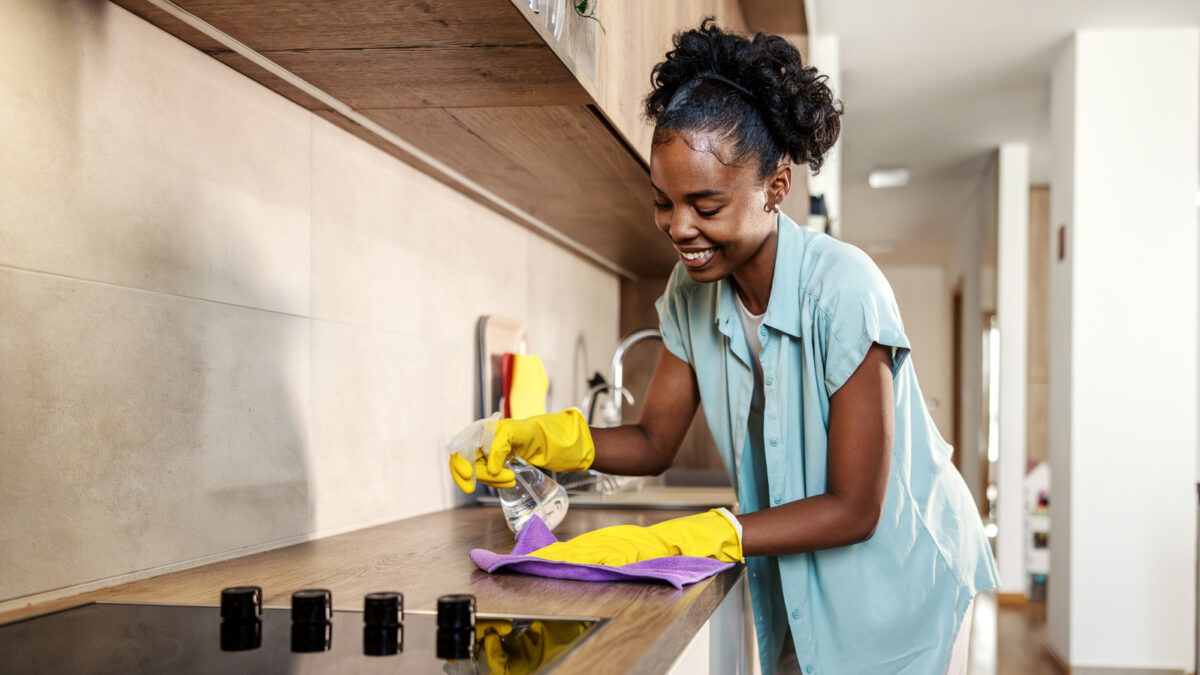
According to the publisher, hydrogen peroxide works through direct contact by breaking down the lipid layers of cell walls, organelles, and/or DNA. It advises letting the solution sit on the surface for roughly five to 10 minutes, because spraying and immediately wiping can reduce its effectiveness.
Vinegar still has cleaning value, the article notes, and the two can be used in sequence: vinegar to clean, then peroxide to disinfect. The publisher warns never to mix peroxide and vinegar in the same bottle, as this can create dangerous fumes.
For pure disinfecting power, the article concludes hydrogen peroxide is the stronger option.