Russia petrol rationing amid Ukraine war, Digi Mart USA News: Petrol is running short in Russia, and Ukrainian strikes have reduced the country’s oil refining capacity by a reported 30 per cent. Restrictions at the pumps are being felt by ordinary Russians who are struggling to get enough fuel to run their cars.
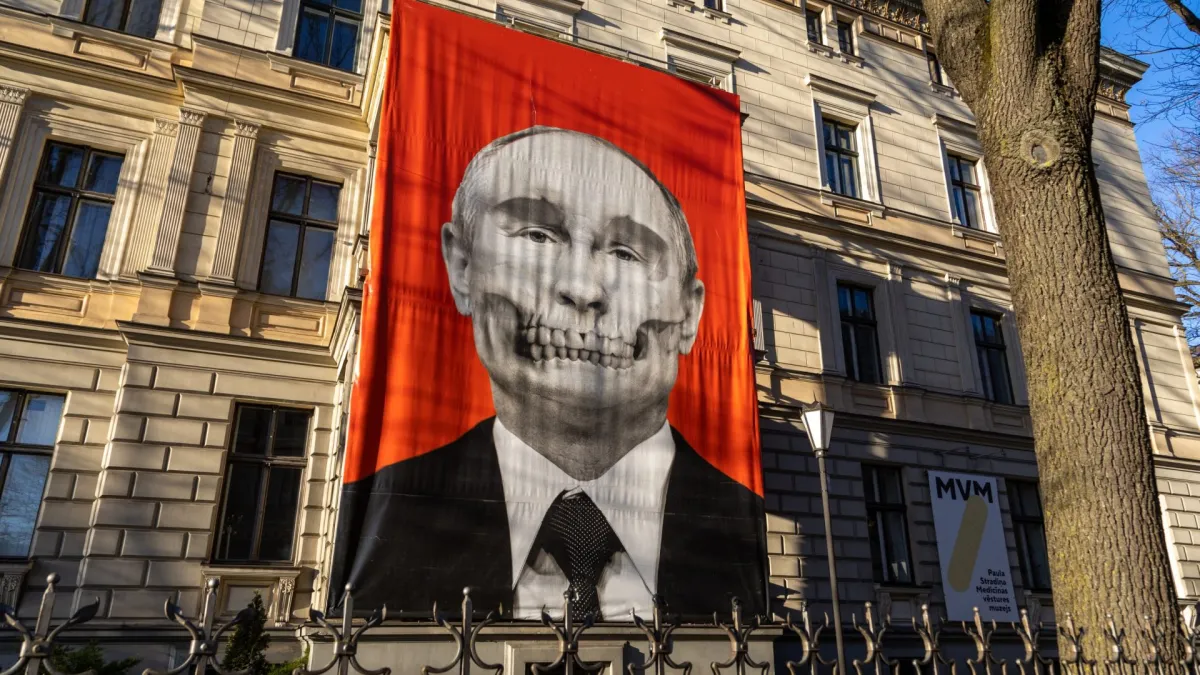
The shortages are a reminder to a population that generally prefers to shrug off such signs, and that is unlikely to risk prison by complaining about the war, that Putin’s plans for victory in Ukraine remain unrealised and carry a cost. The problems come as the war approaches its fifth anniversary.
Rising energy prices in the 2000s helped Putin consolidate his popularity when he presided over rising living standards in his early years. That confidence led the Russian leadership to pursue a wider role on the world stage, and the country’s military campaigns in Georgia, Syria and Ukraine have been funded in part by oil revenues.
To admit that petrol is running short is, for a strongman leader, to admit a weakness.
The rationing is significant beyond the frustration it causes. Authorities appear to have shielded motorists in Moscow and Saint Petersburg from the restrictions, which have been introduced in the provinces, including some parts of Siberia.
For older Russians, rationing is associated with the economic collapse of the late Soviet period, when shortages and queues affected even basic goods.
Putin himself belongs to that generation. He has recalled hard times in Saint Petersburg in the 1990s, when he drove his car in the hope of earning a few roubles as an informal cab driver, and said at least he could get petrol.
Car ownership grew sharply after the end of communism, and for younger generations it represents personal freedom, so the fuel shortages carry unwelcome associations for them as well.
Younger Russians have also suffered heavily on the battlefield. A leak from Russia’s official statistics agency, Rosstat, after it was hacked, suggested that more than 400,000 Russian soldiers had been killed in the war in Ukraine.
That figure cannot be independently verified and carries the usual caveats about wartime numbers. Denis Kasyanchuk, economics editor at the independent Russian news site The Bell, wrote that “several factors suggest that the numbers could be reliable”, and noted that the leaked number is dozens of times greater than the number of Soviet citizens lost in the nine-year war in Afghanistan.
The latest US-led talks between Russian and Ukrainian delegations in Abu Dhabi produced plans for a prisoner exchange, which US envoy Jared Kushner described as the biggest of the war, but there was little sign of progress toward ending the fighting. Russian foreign minister Sergei Lavrov restated Moscow’s insistence that a broader European security architecture be agreed before a ceasefire.
US special envoys Steve Witkoff and Jared Kushner arrived in Moscow for talks with Putin after the Abu Dhabi discussions, and were then due to travel to Dublin to speak with Ukrainian President Volodymyr Zelensky. Zelensky told reporters during a visit to Denmark that “we are all very cautious with this topic because nobody really understands 100 per cent what they [the Russians] want.”
The article argues that a December 2021 Russian draft treaty with the United States, published on the Russian foreign ministry website, provides an answer. One of its clauses states that the United States “shall undertake to prevent further eastward expansion of the North Atlantic Treaty Organisation”.
Russia escalated its war on Ukraine two months later.
The article concludes that time is running out for Putin to take advantage of the current US approach to peace talks, and that a Democrat-majority Congress might try to change the course set by President Trump. It expects Putin to step up bombing of Ukraine this winter, but argues that as long as Ukraine can strike Russia’s oil infrastructure and raise the cost of the war, Putin will struggle to persuade his people that victory is near.