Testing garden soil for lead, Digi Mart USA News: Gardeners preparing a plot are advised to check soil lead levels before planting, since lead occurs naturally in soil and most yards contain at least small amounts. According to the University of Massachusetts, healthy ranges for lead in soil are typically between 15 and 40 parts per million.
Pollution can push those figures higher and create health risks from exposure. This matters most for families gardening with children or for pets that dig and play in garden soil.
Much of the contamination comes from the past, including lead paint phased out in the 1970s and leaded gasoline phased out between the 1970s and 1990s, and that residue can remain in the soil today.
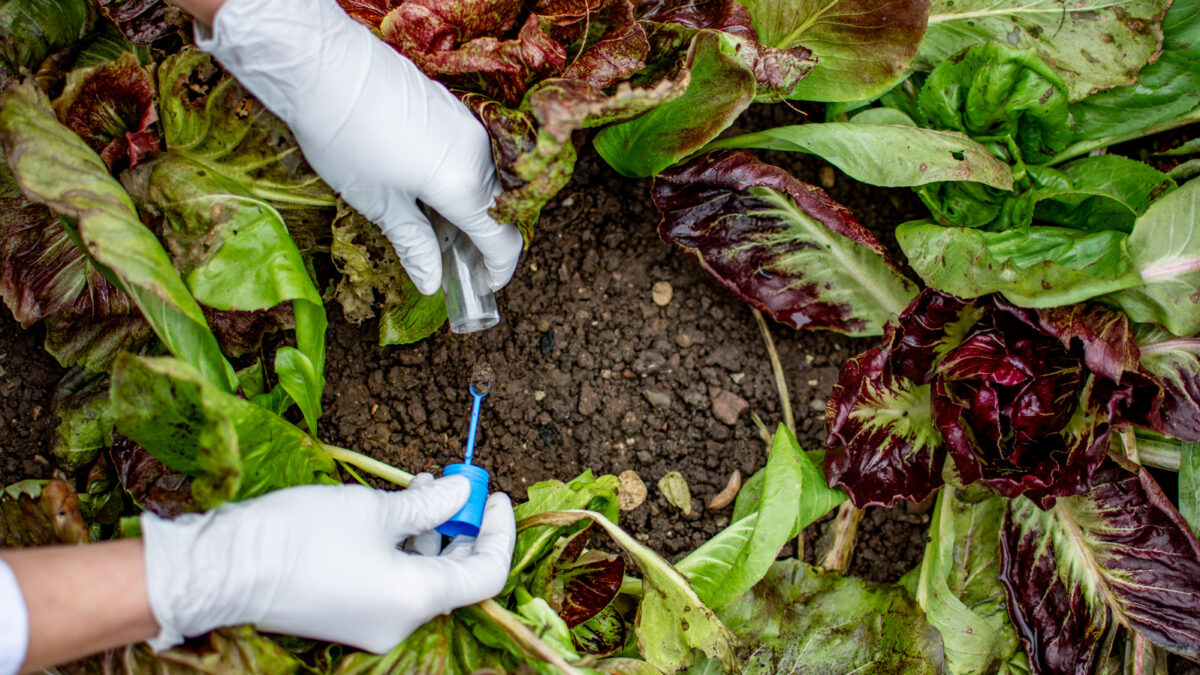
Two main approaches are available for testing. At-home kits, such as the Slgi lead test kit, provide results within minutes but may carry a greater risk of error for people unfamiliar with soil testing.
Some kits require mailing samples to the brand for laboratory analysis, and certified lead risk assessors, local health departments or agricultural departments can also help determine whether soil contains high levels of lead.
Finding elevated lead does not necessarily mean giving up gardening. Elevated container gardens filled with store-bought soil are one of the simplest options.
Gardeners can also remediate the top few inches of yard soil and replace it with store-bought soil, but this requires additional testing and precautions to prevent exposure.