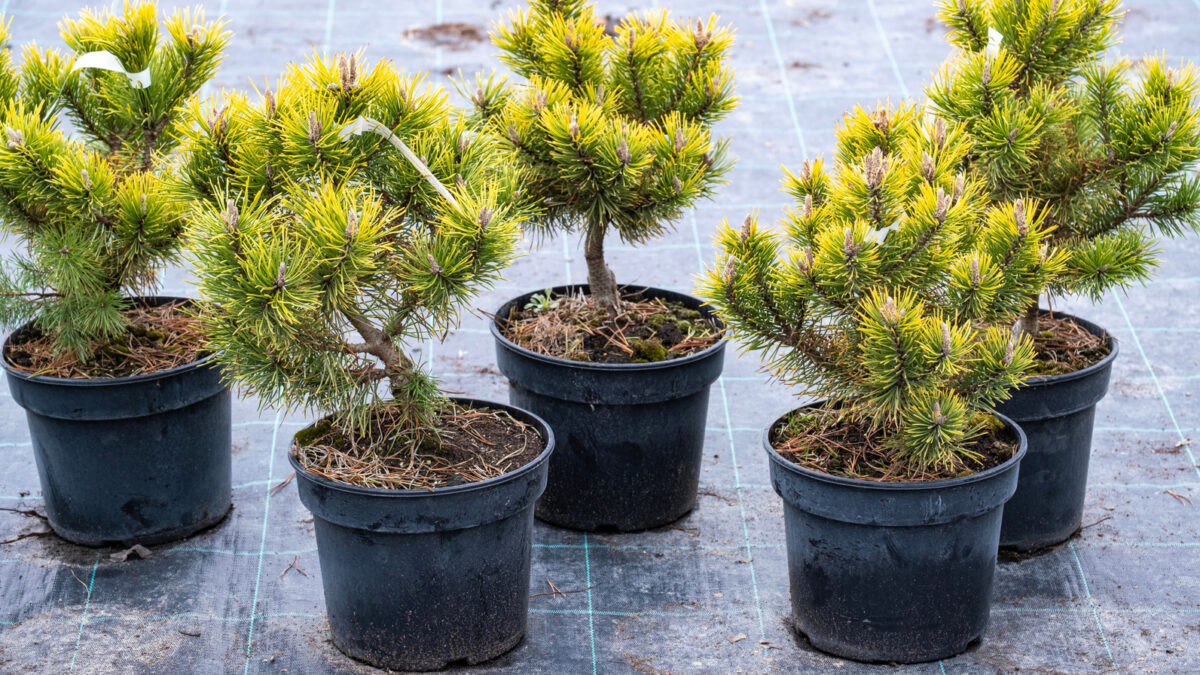
heeling-in bare-root shrub and tree seedlings over winter, Digi Mart USA News: Gardeners who buy tree and shrub seedlings in the fall but run out of time to plant them can use a technique called heeling-in. According to a publisher article, heeling-in is a temporary planting method that gives dormant plants, especially their roots, extra protection from winter weather.
The method mimics planting but does not put the plant in its permanent spot, so the tree or shrub can be moved easily in spring. The source notes that nearly any plant can be heeled in, though it is especially common with bare-root trees and shrubs, whose roots can dry out if not planted or heeled in soon after purchase.
To begin, gardeners should prepare the plant. Both potted and bare-root plants can be heeled in.
Packaging should be removed, and the roots of bare-root trees or shrubs should be soaked for an hour. A site in light shade that is not used for other purposes, such as a raised or regular bed, is suggested, ideally close to the house for some extra warmth and easy checking.
If the ground in the beds has already frozen, the source suggests heeling in using a wheelbarrow or bucket filled with sand, sawdust or mulch. Where the ground is workable, a V-shaped trench is dug so plants can be laid at a 45-degree angle, which keeps them from tipping over.
The trench should be deep and wide enough for the roots, with soil covering up to the top of any pots that remain in place.
Plants can stay heeled in for up to a month into spring, but they should be planted before they leave dormancy. The source says that once leaves begin to emerge, the plant is out of dormancy and it is too late to plant.
When ready, plants should be gently dug out, excess soil shaken off, and roots soaked for up to half an hour before planting.