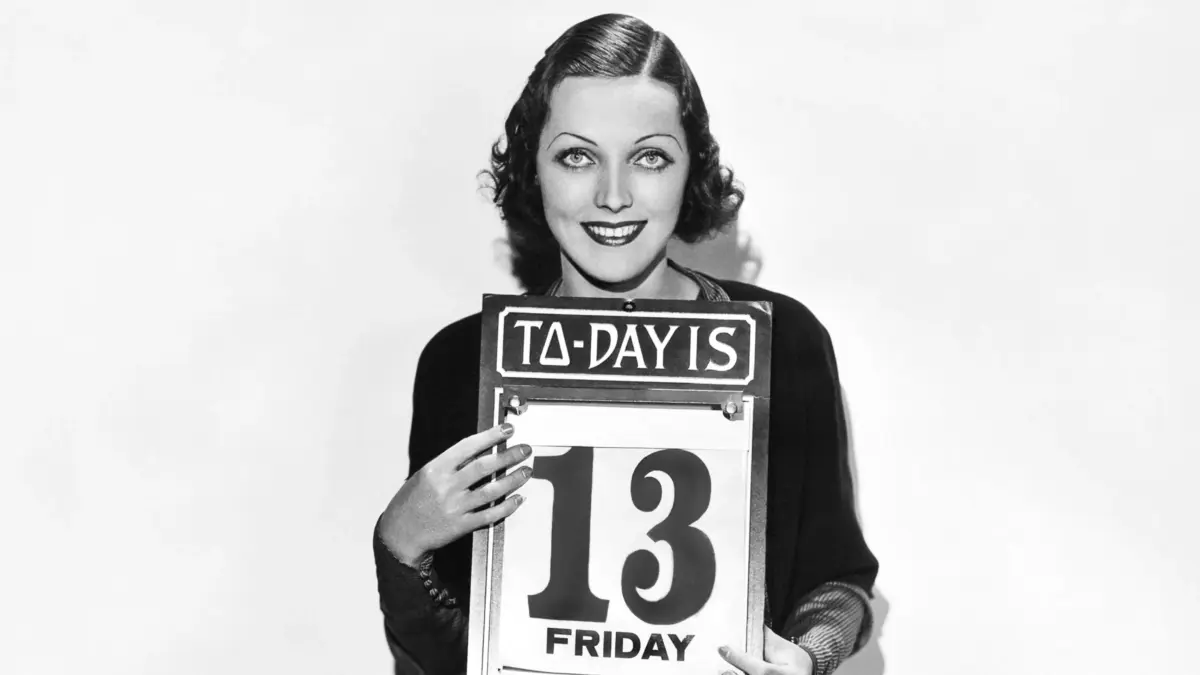
Friday the 13th superstition origins, Digi Mart USA News: The unlucky reputation of Friday the 13th starts appearing in written records in the 1800s. French references from around 1834, including a play and a magazine piece, treated the date as a bearer of misfortune, and English-language examples followed later that century.
Both parts of the date already carried centuries of baggage. Christian tradition associated Friday with Jesus’ crucifixion, and medieval writers, including Chaucer, linked the day with misfortune.
Some northern European traditions also connected Friday with the goddess Frigg/Freya.
Fear of 13, called triskaidekaphobia, has several familiar explanations. In Norse mythology, Loki joins a gathering of 12 gods as an uninvited 13th guest and brings about Balder’s death.
Another explanation points to the Last Supper, traditionally casting Judas as the 13th person present, and avoiding a dinner table with 13 people became a longstanding custom.
The combined superstition gained a wider audience in the early 1900s. Thomas Lawson’s 1907 novel Friday, the Thirteenth built a stock-market panic around the date, helping spread its reputation decades before the horror movies.
The Knights Templar arrests on Friday, October 13, 1307, often appear in accounts of the superstition’s origins. Historians have not found contemporary evidence connecting those arrests to an enduring curse attached to the date.
That connection gained popularity much later, helped by modern fiction such as The Da Vinci Code.