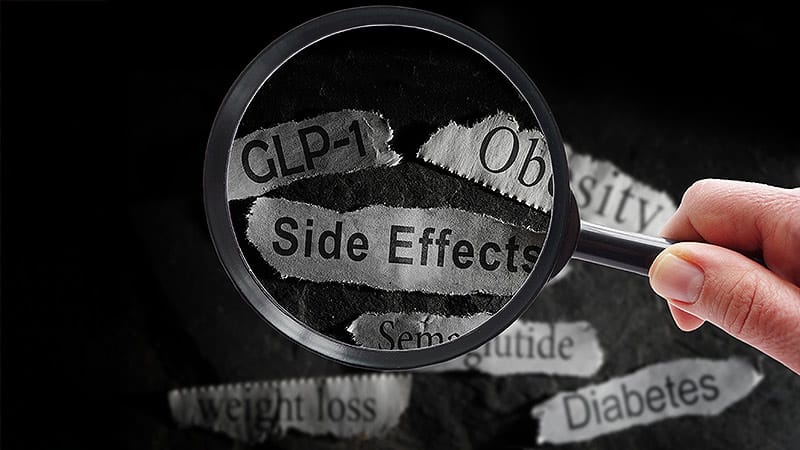
FDA GLP-1 NAION eye condition labeling requirement, Digi Mart USA News: The U.S. Food and Drug Administration will now require GLP-1 medications to carry labeling information about the potential increased risk of nonarteritic anterior ischemic optic neuropathy (NAION).
The information will be added to the Warnings and Precautions section of the drug labels.
NAION is a condition in which the optic nerve suddenly loses its blood supply, leading to vision loss, sometimes described as a “stroke of the eye.” The condition is rare, but it appears to be increased in people using all currently marketed GLP-1-based medications.
The FDA advised patients to immediately report sudden onset of acute, painless decreased vision, visual field deficits, or other visual disturbances in one eye. If NAION is suspected, the agency recommends prompt referral to an ophthalmologist.
Clinicians should consider discontinuing the GLP-1 in patients who develop NAION, unless the benefits of treatment clearly outweigh the risk.
Across randomized clinical trials, the estimated risk was about 6.4 NAION cases per 100,000 person-years with GLP-1s, compared with 3.8 per 100,000 person-years for those treated with placebo or other glucose-lowering medications. In the general population, NAION occurs in 2.3 to 10.2 per 100,000 adults older than 50.
People with a history of the condition are at increased risk of recurrence, including in the other eye, the FDA said.
The issue first drew attention with a 2024 study suggesting a potential NAION risk associated with semaglutide prescriptions, although that study had limitations. The FDA subsequently reviewed several data sources, including clinical trials, postmarketing and observational studies, animal studies, and reports to its Adverse Event Reporting System.
In the FDA’s meta-analysis of 126 clinical trials involving 134,253 participants, of whom 78,217 received a GLP-1 medication, 15 probable NAION events were identified. Ten occurred in GLP-1-treated individuals, five in those receiving placebo, and none in those receiving other glucose-lowering drugs.
The agency also conducted a retrospective cohort study using its Sentinel Real-World Evidence Data Enterprise Commercial Network, comparing people with type 2 diabetes who received a GLP-1, an SGLT2 inhibitor, or a DPP-4 inhibitor between 2019 and 2024. There was no statistically increased NAION risk for GLP-1s compared with SGLT2 inhibitors (hazard ratio [HR], 1.19), but there was an increased risk compared with DPP-4 inhibitors (HR, 1.43).
“Based on these findings, FDA is requiring that application holders add information about the risk for NAION to the Warnings and Precautions section of labeling of all GLP-1s,” the agency said. The association has been the subject of litigation.