baby boomers and modern kitchen appliance trends, Digi Mart USA News: Many modern kitchen appliances are designed with smart features, sleek finishes and minimal controls, but experts told House Digest that baby boomers often find these features frustrating. Appliance expert Amy Chernoff of AjMadison said the biggest pushback she hears is that appliances are becoming more complicated than they need to be, and they are often more expensive up front.
According to Chernoff, app controls, voice commands and AI-powered cooking or laundry assistance are often seen as more technology to set up, learn and potentially repair. She said shoppers generally want an appliance to perform its basic job well, so buyers unsure whether they need smart or AI features may be better off saving their money.
Cara Woodhouse, founder and chief creative officer of Cara Woodhouse Interiors, said many of her longtime clients do not like appliances without handles. She said a push-to-open door does not always cooperate when hands are full or wet, and she prefers visible hardware, sometimes vintage-inspired, that adds character while keeping appliances easy to use.
Whitney Vredenburgh of Nested Spaces Home Staging & Design said clients of this generation often complain that appliances feel disposable and have shorter lifespans. She suggested that buyers consider local independent retailers, which can arrange service through a local company rather than a manufacturer’s customer line.
She said her boomer clients often prefer Speed Queen washers and dryers, which she described as having a 5- to 7-year warranty.
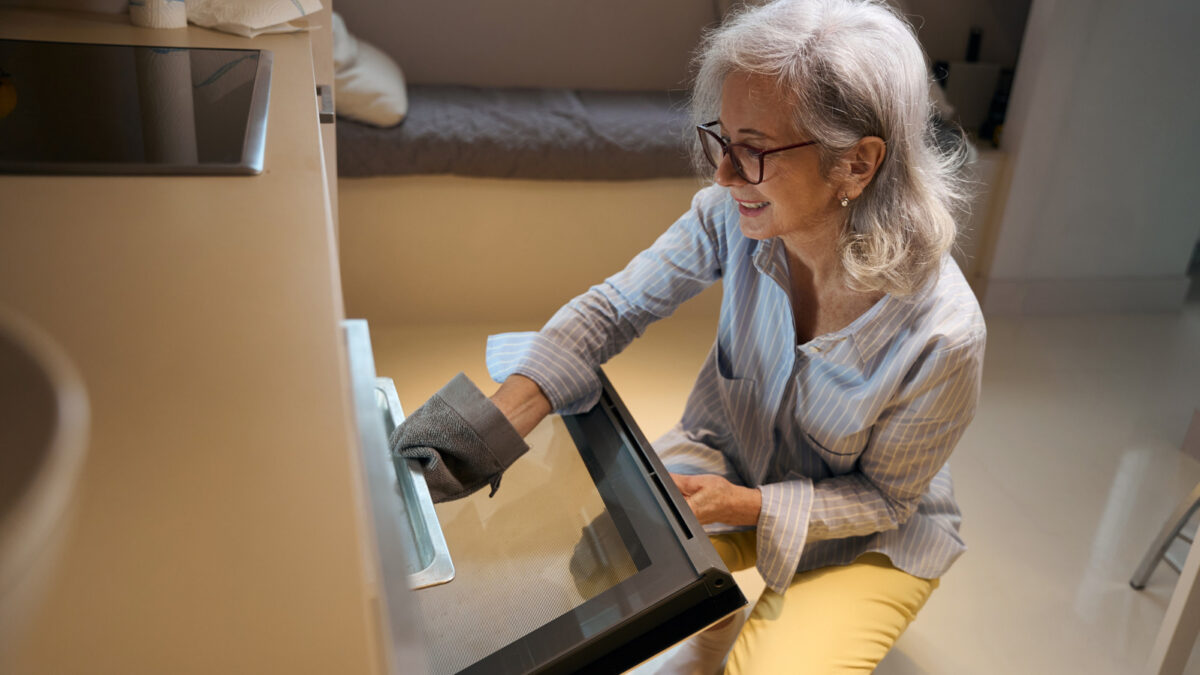
Craig Gritzen of Curated Style Collective said boomers often object to appliances placed at low levels, such as ovens below cooktops, microwave drawers below counters or the bottom drawers of freezers, because they require bending. He said ergonomics matters more as people age in place, and a separate cooktop with a wall oven can allow a more comfortable installation height.
Gritzen also said many boomer shoppers avoid digital controls in favor of everyday usability. Chernoff added that many boomer shoppers still prefer a knob they can turn and a button they can press, noting that touch panels can make simple tasks more complicated, especially when a panel responds slowly.
On finishes, Gritzen said boomers have seen many appliance color trends come and go, so they may hesitate over bold or statement colors. Vredenburgh said her clients are generally not looking for matte white or black appliances and often prefer stainless steel or paneled options.
The experts also said boomers can be skeptical of downdraft ventilation systems, which Woodhouse said may not clear steam and cooking smells as effectively as a proper range hood, especially in open kitchens. Chernoff said induction cooktops have a slower adoption curve with this group, citing the lack of a visible flame, a different response from gas or electric, and the possibility that existing cookware may not be compatible.
Gritzen also said some boomer clients dislike invisible kitchens that hide appliances behind matching panels, saying visual minimalism can make it hard to tell which door or drawer opens which appliance. Woodhouse said oversized pro-style ranges can look impressive but are often more than clients use day to day, while Gritzen said a refrigerator can chill wine and make ice, making separate beverage appliances harder to justify for some buyers.
Overall, the experts described boomers as selective buyers who prioritize appliances that improve daily life without creating extra storage, maintenance or repair burdens.