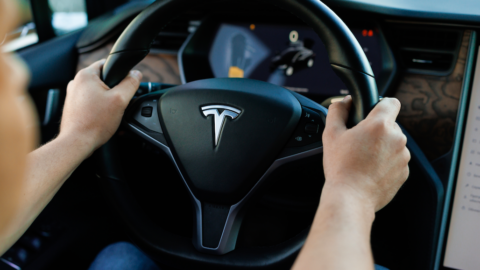
South Korea investigation of Tesla owners who illegally activated Full Self-Driving, Digi Mart USA News (South Korea): A national investigation in South Korea is targeting Tesla owners accused of illegally unlocking the autonomous driving function on their sedans, a feature that is prohibited on these models. According to AutoBild, police have identified dozens of vehicles equipped with unofficial boxes and software, and the drivers involved now face legal proceedings with penalties that are far from symbolic.
At the center of the case is the Full Self-Driving (FSD) package associated with Elon Musk. In Europe, Tesla has already renamed the feature “Tesla Assisted Driving” to ease regulatory concerns.
South Korea has taken a different approach, with legislation blocking FSD activation on certain models, particularly Model 3 and Model Y vehicles manufactured in China. Some owners nevertheless found ways around these restrictions using hardware bought online or built at home.
The matter began with an alert from South Korea’s Ministry of Land, Infrastructure and Transport, which asked police to examine the use of external components capable of altering how certain vehicles operate. The Seoul Metropolitan Police Agency then launched an investigation that uncovered a network of Tesla Model 3 and Model Y users.
In total, 80 drivers are suspected of installing, or having installed, devices to activate FSD on their cars, a system that was disabled at the factory for the Korean market.
Investigators also seized 21 boxes capable of modifying vehicle parameters by connecting to onboard electronics. According to the inquiry, these devices came from several sources.
Some owners reportedly bought them in China, while others found them in Europe. One suspect allegedly developed his own equipment based on technical information extracted from the electronic systems of Musk’s cars.
Instructions for installing the hardware circulated on online forums, where users also shared tips for leaving no trace of the illegal activation in vehicle logs.
Authorities say these modifications violate the Motor Vehicle Management Act, the South Korean law governing vehicle safety. The owners implicated face up to two years in prison or a substantial fine, which can reach 20 million won, or a little more than 13,000 euros.
South Korean regulations do not reject autonomous driving as a whole. They allow FSD activation on the Tesla Model S, Model X and Cybertruck, models produced in the United States that have obtained the required safety certifications.
The situation differs for the Model 3 and Model Y built in China, which have not yet received approval to use the technology on the local market. According to figures released for the country, nearly 239,000 Teslas are registered there, of which more than 183,000 are Chinese-built Model 3 and Model Y vehicles, meaning a large majority of customers own cars officially barred from FSD.
The company launched FSD in South Korea on American models at the end of 2025. On October 22, 2026, it filed a request for an exemption to authorize the feature on Chinese-built Model 3 and Model Y vehicles.
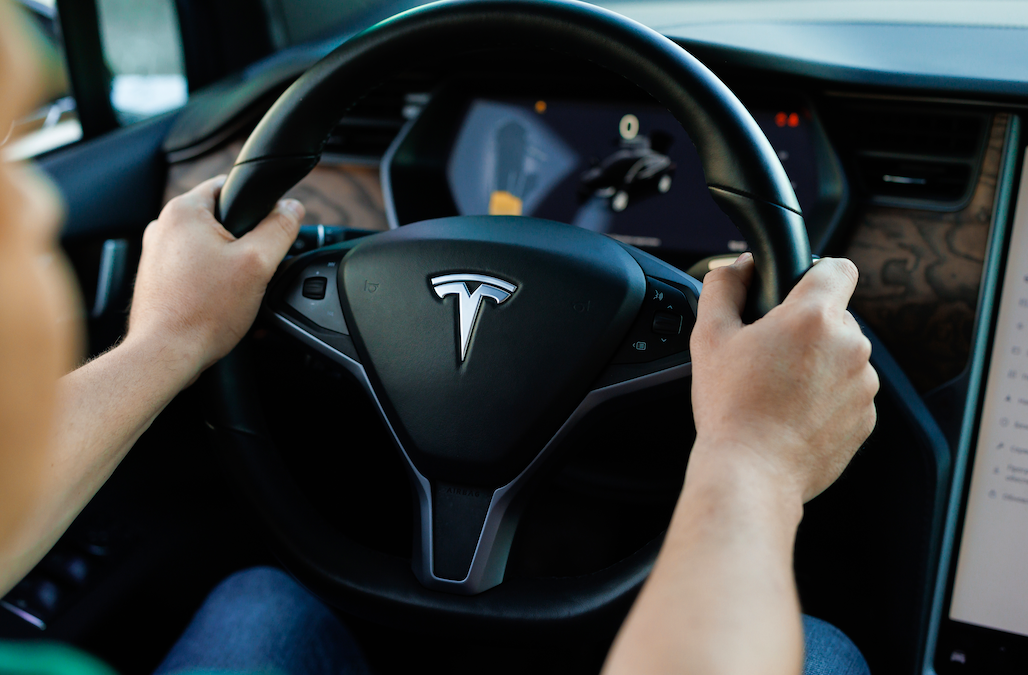
The case of the 80 owners highlights how far some customers are willing to go to use their car’s capabilities. In Europe, the feature, renamed “Tesla Assisted Driving,” is still classified as a Level 2 driver-assistance system, requiring the driver to keep eyes on the road and hands near the steering wheel at all times.
South Korean authorities stress that installing illegal devices for autonomous driving compromises vehicle safety and may also pose a risk to traffic. The case serves as a reminder to owners of connected vehicles, in Korea and elsewhere, to think twice before modifying sensitive systems themselves.