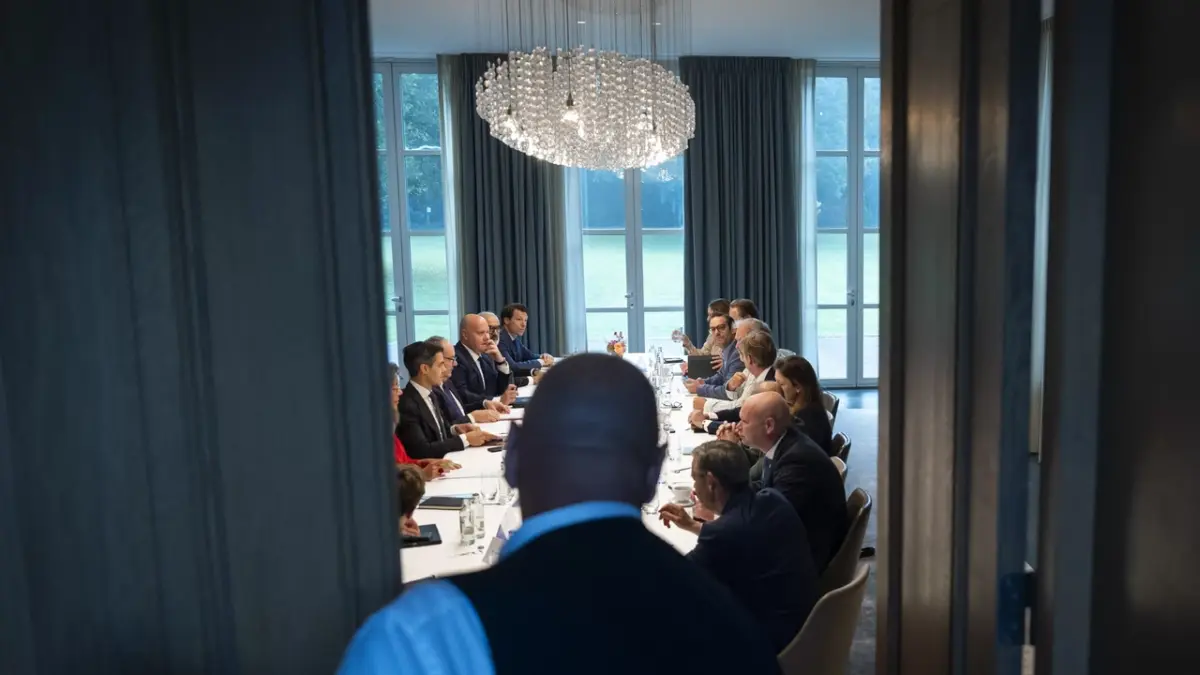
Dutch social accord talks between government, unions and employers, Digi Mart USA News: It is time for a new “social accord” in the Netherlands, and talks on the subject are beginning in the so-called “polder” model of consultation. According to the report, Prime Minister Jetten and Minister Vijlbrief of Social Affairs are meeting today with trade unions and employers.
A social accord, sometimes called a central accord, is an agreement between workers, employers and the government. These parties, together known as the “polder,” make arrangements on matters such as wage developments, benefits and working conditions.
The frameworks must still be translated into legislation and into sector-level collective labor agreements.
Such national accords are rare. According to the report, six have been concluded so far.
The first dates from the early 1970s and the most recent from 2013, although the 2019 pension accord could also be counted among them.
Because many stakeholders take part, the accords are intended to have broad support, which is meant to keep plans in place even if a cabinet falls. On the employer side, VNO-NCW, MKB-Nederland and the agricultural organization LTO are involved, representing by their own account about 500,000 businesses.
On the worker side, the unions FNV, CNV and VCP take part, with more than one million members combined.
A social accord is not concluded at fixed moments. Unions, employers and the cabinet decide when conditions call for new arrangements.
The 1982 Wassenaar Accord, for example, limited wage increases in response to rising unemployment, with workers receiving shorter working hours in return.
Disability is a central issue this time, particularly the WIA, the law on work and income according to work capacity, which provides benefits for people unable to work due to illness. The system is under pressure because more people are entering it and finding it difficult to leave, costing billions of euros, while the implementing agency UWV struggles to keep up.
The talks will also address unemployment benefits under the WW. The cabinet wants to reduce that benefit, which unions oppose.
About 195,000 people in the Netherlands receive a WW benefit. The government is also focused on “work-to-work” transitions, aiming to prevent people from moving from employment into costly benefits.
A more technical issue is the AOF premium, which employers pay into a government fund that finances, among other things, the WIA. The premium is a percentage of wages and has risen in recent years while the fund has grown, and the cabinet has also used it to cover other expenses.
Unions and employers want changes here.
Economic growth is also on the agenda. Employers argue that fewer regulations and lower business costs would support growth, which would in turn bring more revenue to the treasury.
The discussion is based on a report by former ASML chief executive Peter Wennink.
It remains unclear when the talks will produce a new social accord. The cabinet, which hopes to save money through the arrangements, has mentioned next spring as a possibility, but FNV chairman Hans Spekman has said he does not share that timeline, stating, “I do not feel rushed.” VNO-NCW chairman Coen van Oostrom has said time is less important to him than successfully stimulating economic growth.
A joint target date is expected to be announced after today’s meeting, and more detail on the discussion topics may emerge.