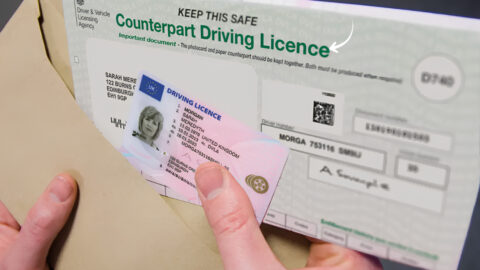
The government material reviewed does not provide a public November cancellation list where readers can check their names. Headlines suggesting otherwise leave out important safeguards and risk confusing people about whether they can legally drive.
The distinction matters because driving disqualification is now a genuine enforcement option in certain circumstances. However, DWP cannot simply remove somebody’s entitlement to drive because they receive benefits, have received an overpayment, or appear in an online article.
A court must consider the circumstances, and the published process gives individuals opportunities to address repayment before an actual ban takes effect.
What Has Changed During 2026?
The government announced that new debt recovery powers came into force on 24 June 2026, with enforcement being introduced gradually from October. That timetable helps explain why the subject is relevant in November.
Nevertheless, an enforcement rollout is not evidence that all affected motorists lose their licences together, or that a nationwide cancellation deadline applies to everyone.
The powers sit under the Public Authorities (Fraud, Error and Recovery) Act 2025. They allow DWP to recover certain outstanding debts through additional routes, including direct deductions from bank accounts.
In the most serious cases, where other recovery methods are not reasonably possible, the department can ask a court to impose a driving disqualification order.
Who Could Face Court Action?
The driving disqualification power targets particular debt recovery cases rather than benefit recipients generally. The code states that DWP cannot use this power against individuals who, when the application is made, are entitled to and receiving a DWP benefit.
It also requires consideration of whether recovery through employment deductions or other available methods is reasonably possible.
Crucially, the court must consider whether the individual had the means to repay but failed to do so without reasonable excuse. This separates refusal to engage from genuine financial difficulty.
DWP’s code requires affordability and vulnerability checks; where an assessment shows that somebody has no means to repay, recovery through these particular powers should not proceed at that time.
Why a Driving Ban Is Not Automatic
The first court order must be suspended. In practical terms, that means the person can continue holding their driving licence while meeting the repayment conditions set by the court.
Receiving a suspended order therefore does not, by itself, mean an immediate loss of driving entitlement. The distinction is important for anyone reading an alarming headline without the underlying explanation.
An actual disqualification requires a further application after repayment conditions have been breached without reasonable excuse. The code describes circumstances involving more than one missed payment, or failure to make the final instalment.
A court can then impose an immediate disqualification lasting up to two years. That is a separate stage, not an automatic consequence of owing money.
Protection Where Driving Is Essential
Courts must not make a suspended or immediate disqualification order if they consider that the individual has an essential need for their licence. Official examples include employment that depends on driving and caring responsibilities.
This protection recognises that removing somebody’s ability to travel could undermine their livelihood or prevent them from meeting essential obligations.
However, the individual needs to make that essential need clear to the court. Someone facing proceedings should explain the practical circumstances rather than assume that the court already knows them.
The relevant question is not simply whether driving is convenient, but whether the licence is essential in that person’s situation under the safeguards described in the code.
What “Check Your Name” Headlines Leave Out
The official process concerns individual debts, communication, assessments and court decisions. It is not presented as a public name-search exercise.
An article claiming that readers must find themselves on a November cancellation list should therefore identify credible official evidence for that claim. Without it, the headline should not be treated as confirmation that anybody’s licence has been cancelled.
There is also a difference between DWP seeking enforcement and a court ordering disqualification. Describing every stage as “DWP cancelling licences” obscures who makes the decision and when driving entitlement actually changes.
For affected individuals, the wording matters: a warning, a suspended order and an immediate disqualification are not interchangeable notices, and each has different practical consequences.
What Affected Drivers Should Do Now Driving licences
Anyone receiving genuine correspondence about an outstanding DWP debt should read it carefully and respond through independently verified official contact details.
The department says these enforcement powers are a last resort, following unsuccessful reasonable attempts to agree an affordable, sustainable repayment arrangement. Engaging with the process and maintaining agreed payments can prevent escalation to these additional recovery measures.
For motorists following November headlines, the central message is straightforward: there is a real legal power, but no basis in the reviewed guidance for claiming universal licence cancellations or advertising a verified public cancellation list.
Individual circumstances, affordability checks, essential driving needs and court oversight remain central. Readers should distinguish those published rules from dramatic claims that omit the actual legal process and safeguards entirely.