Mexico City Day of the Dead and Mexico Grand Prix visitor totals, Digi Mart USA News (Mexico City): Mexico City received nearly eight million people during ten days of activities tied to Day of the Dead and the Formula 1 Mexico Grand Prix, according to Mayor Clara Brugada Molina. The events generated a combined economic impact of 36 billion pesos and concluded with a “saldo blanco,” a Mexican term meaning no major incidents.
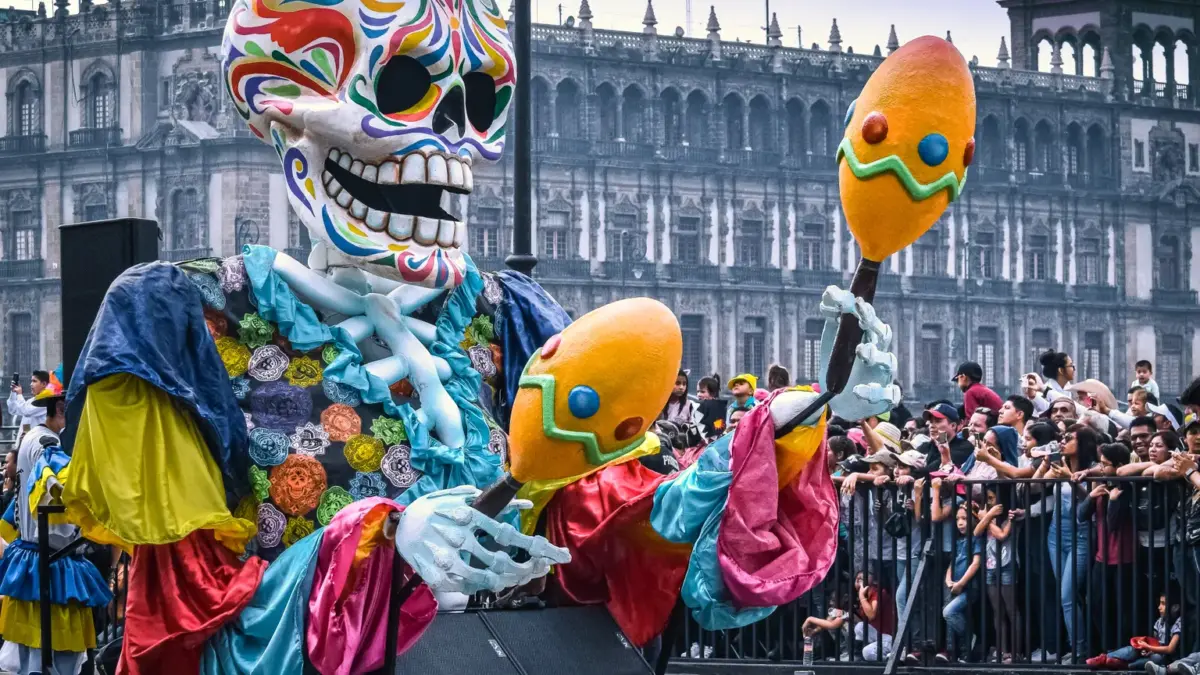
The figures reflect a schedule combining cultural, sporting and tourism activities across the capital. Among the most attended events were the Great Day of the Dead Parade, the display of the Monumental Catrina in the Zocalo and the Mexico Grand Prix, whose attendance also reached record figures.
Brugada Molina said 21 billion pesos of the economic impact came from the Formula 1 Grand Prix, while more than 15 billion pesos came from tourist lodging, cultural activities, altars and gastronomy. She said the results reflect the economic activity generated by combining international sporting events with traditional celebrations.
The mayor also highlighted the effect on jobs and income for families who provided services during these days. “We transformed our cultural wealth, our hospitality and our capacity for organization, logistics, infrastructure and security into prosperity, into jobs, into income for hundreds of thousands of families,” she said.
The Monumental Catrina installed in the Zocalo drew 1.6 million people in just four days and will remain on display until November 11. The structure, dedicated to the work of José Guadalupe Posada, is more than 33 meters tall and earned a new Guinness World Record.
In her remarks, Brugada Molina discussed the figure’s meaning within Mexican tradition. “(La Catrina) reminds us that death does not bow before power, that it recognizes no titles or surnames; and that before it, privileges turn to dust,” she said.
In tourism, Mexico City recorded an average hotel occupancy of 92 percent between October 30 and November 1. In the Roma and Condesa neighborhoods and the area around Mexico City International Airport, occupancy reached 100 percent.
More than half a million tourists arrived during that period, a 22 percent increase compared with the same weekend in 2025. The mayor linked these indicators to growing interest from domestic and international visitors and said tourism activity is expected to continue through the end of the year.
“More and more people choose our city, and we know that whoever arrives for the first time leaves in love with our city and finds a thousand reasons to return,” she said.
The Formula 1 Grand Prix recorded attendance of 405,000 people, placing Mexico City fourth among host venues worldwide in attendance, according to figures presented by the mayor. The event was covered by 400 international media outlets and broadcast in 200 countries.
As part of motorsport-related activities, a free exhibition by Sergio Perez on Paseo de la Reforma drew more than 100,000 people, bringing the sport to those unable to buy Grand Prix tickets. Brugada Molina recognized the organizers, particularly Luis Alejandro Soberon Kuri, president and director of the Corporacion Interamericana de Entretenimiento.
The Day of the Dead celebrations drew about eight million participants across ten days. One of the main gathering points was the Chapultepec-Reforma-Zocalo corridor, where part of the cultural programming took place.
Activities included the Mega Procession of Catrinas, night bike rides, light sculptures, the Great Day of the Dead Parade, the Cempasuchil Trail, the Monumental Alebrije Contest and community altars.
The parade featured 47 floats, musical bands and comparsas. The 18th Monumental Alebrije Contest included more than 300 pieces made by artisans.
Programming also included trajinera tours in Xochimilco, nighttime cycling events and light installations across the capital.
The city government installed 80 community altars in the Utopias and organized 44 activities in Faros and Territorios de Paz. In Tlatelolco, more than 80,000 people visited the altars, while activities tied to community traditions took place in Mixquic and Xochimilco.
The city deployed 11,000 members of the Secretariat of Citizen Security to support the events.
Brugada Molina thanked the agencies coordinating the events and the public, whose conduct she said helped the days conclude with a saldo blanco. “Mexico City had an unforgettable weekend; we were the capital of loving rebellion against forgetting, as we have called Day of the Dead,” she said.
The mayor was joined by the secretaries of Tourism, Alejandra Frausto Guerrero; Culture, Ana Francis Lopez; Economic Development, Manola Zabalza Aldama; and Environment, Julia Alvarez Icaza. Citizen Security Secretary Pablo Vazquez Camacho and Deputy Undersecretary for Large Community Festivals Argel Gomez also took part.