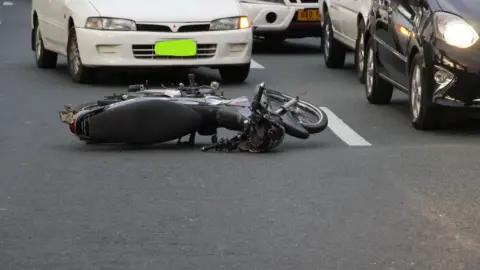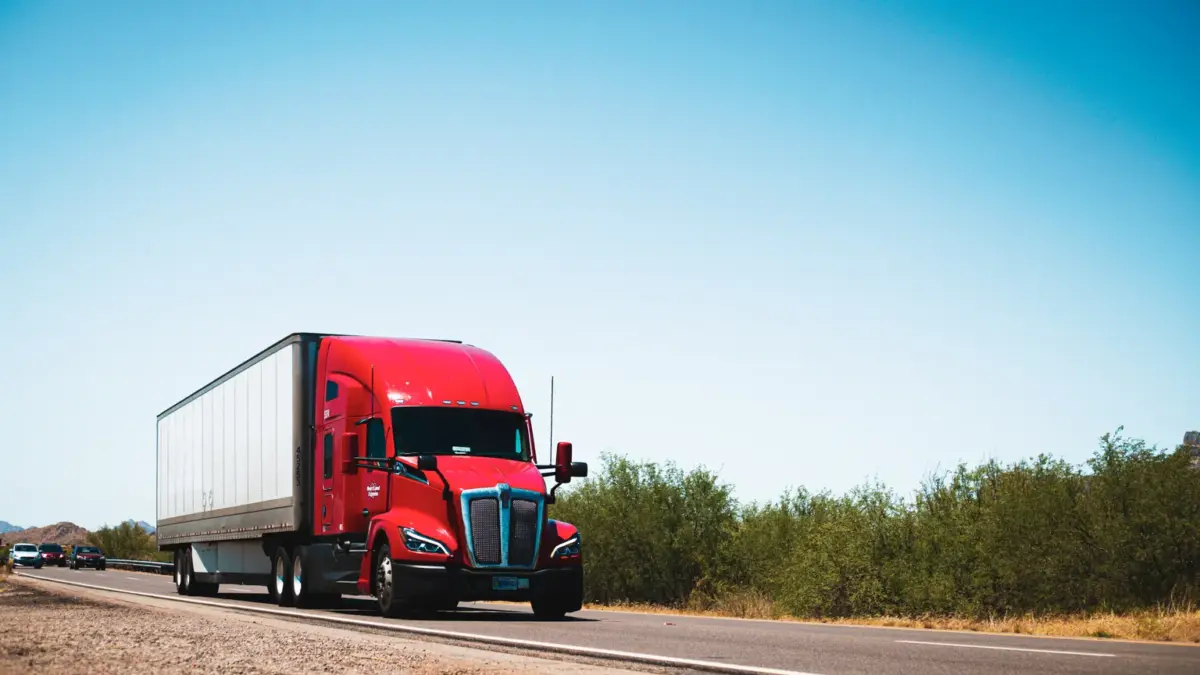
Mexican trucker strike, USA News (Mexico): Truck drivers and small transport operators blocked or partially obstructed traffic at dozens of locations across Mexico on Monday and Tuesday, October 26 and 27, executing a national strike against robberies, extortion, and killings that have made the nation’s highways extremely dangerous.
On Monday morning, the Secretariat of Governance (Segob) recorded 38 protest points across 19 states. Drivers closed a highway in Tlaxco, Tlaxcala, and at kilometer 17 outside Nuevo Laredo, a primary freight crossing into the United States. In Veracruz, motorists closed the highway toward Cardel and blocked access to the port.
By Tuesday, Segob announced that the National Chamber of Freight Transport (CANACAR) and allied groups had committed to permanently removing roadblocks and suspending demonstrations in exchange for four working tables with federal agencies. La Jornada reported that highways were cleared after 34 hours.
The immediate catalyst occurred in Puebla, where armed men murdered Estanislao Hernández Lozano, a delegate of the Mexican Alliance of Transport Organizations (AMOTAC), and stole his truck on the night of October 21. State prosecutors registered 882 robberies of transport workers in Puebla between January and September, with 832 involving violence.
Government Talks and Business Interests
While the strike demonstrated the social power of workers moving 2.6 million tons of daily freight, it was lifted by a business chamber leveraging driver grievances to secure fiscal concessions. The Morena administration of President Claudia Sheinbaum deactivated the movement through working groups and promises, mirroring strategies used over the past two years.
CANACAR serves as a state consultation and collaboration body under Mexican law rather than a worker union, representing fleets ranging from small firms to large operators. Its platform combined security demands with corporate tax incentives, including a 2027 revenue law adjusting income thresholds for toll expense deductions. The upcoming federal working tables will address tax incentives, truck financing, and the incorporation of drivers into social security systems.
Security Concerns and State Accountability
Drivers frequently identify authorities as part of the systemic problem, pointing to extortion at checkpoints and excessive towing fees. Security negotiations will involve the federal attorney general’s office (FGR), the National Guard, and the Secretariat of Security headed by Omar García Harfuch. Critics note that foundational issues tied to poverty, labor informality—affecting 54.3 percent of Mexico’s workforce according to INEGI—and state structures remain unaddressed by corporate-led negotiations.