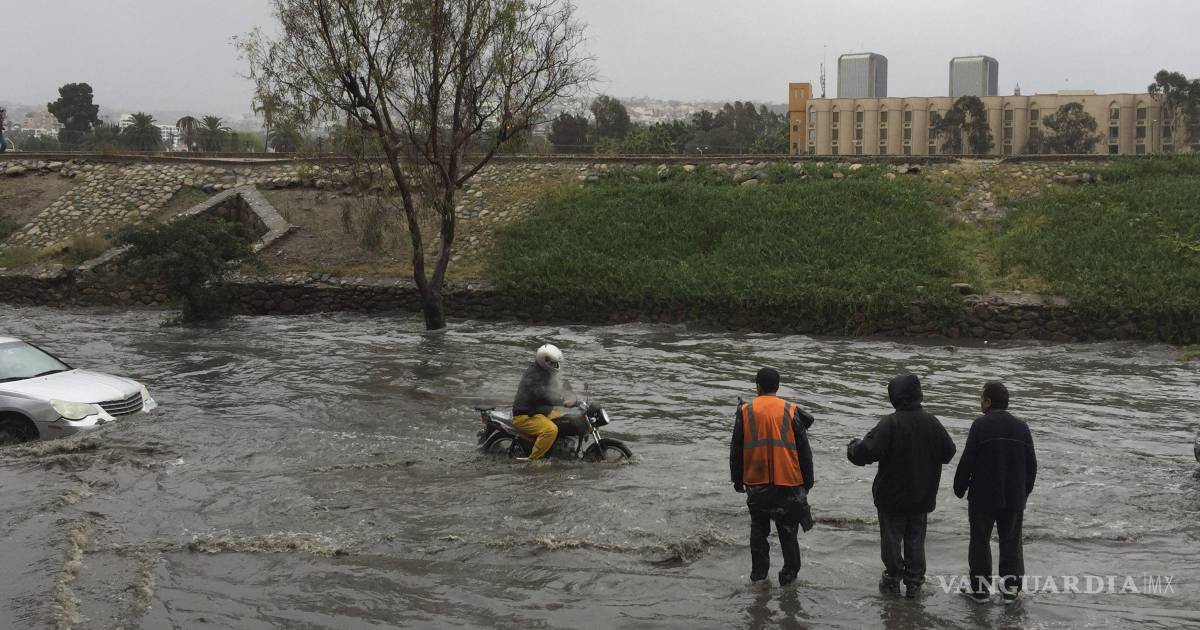
El Niño extreme weather forecast for 2027 from UNAM, Digi Mart USA News (Mexico): Specialists at Mexico’s Universidad Nacional Autónoma de México (UNAM) have warned that the strengthening of the El Niño phenomenon could bring a worrying shift in the country’s climate during 2027. The experts point to possible droughts, record temperatures, forest fires and significant changes in rainfall that could affect several regions of Mexico.
According to UNAM’s projections, the effects could begin to be felt in the first months of next year and extend through much of 2027. The climate projections indicate that the impacts will not be uniform across the national territory.
While some regions could receive above-normal rainfall, others could face dry conditions and elevated temperatures.
According to information published by UNAM, rainfall could increase in northeastern Mexico between January and March 2027. The outlook would change between April and June, when a reduction in rainfall is anticipated in the center, south and southeast of the country.
The period from February to June also carries a higher risk of forest fires, along with a possible increase in the number of days when air quality could become a problem for the population. The impact could reach activities such as agriculture and water supply, and alter environmental conditions in several communities.
One of the main concerns among specialists is that the projected behavior resembles the 1997–1998 El Niño episode, considered one of the most intense on record. Guillermo N.
Murray Tortarolo, a researcher at the UNAM Institute of Ecosystems and Sustainability Research, said the projected conditions evoke that period, when Mexico faced an especially difficult season due to forest fires.
During that episode, more than 14,000 forest fires were recorded, affecting approximately 850,000 hectares across national territory. In light of the possibility that climate conditions could intensify, UNAM issued preventive recommendations so families can begin preparing before the higher-risk seasons arrive.
One of the main measures UNAM suggested is keeping an emergency backpack containing water, non-perishable foods, preferably canned goods with easy-open lids, a first-aid kit, frequently used medications and mosquito repellent. The university also recommended keeping copies of personal documents, including a whistle and a flashlight, and identifying evacuation routes and nearby shelters in advance.
Regarding homes, UNAM said it is important to inspect roofs, gutters and drains before the rainy season to reduce potential damage. Given the high temperatures, the university recommended considering a fan or air cooler to face possible heat waves.
During the hours of greatest solar radiation, the university advised keeping curtains or blinds closed to reduce heating of indoor spaces. When temperatures drop, it said it is important to ventilate rooms to allow fresh air in.
UNAM also stressed that the consequences of El Niño will not affect everyone in the same way. Groups that require special attention include older adults, infants, outdoor workers and people with disabilities.
The university said community support can make a difference, including providing water and food to help mitigate the impact on them, and recommended installing shallow water containers for birds and insects.
In addition to measures that can be taken at home, UNAM recommended contacting local authorities to learn about available prevention plans and the actions that would be activated in the event of possible climate emergencies.