hydrocarbon reserves in France, USA News (France): Marine Le Pen revived the discussion surrounding hydrocarbon extraction during her opening campaign rally on Sunday, October 25. She stated that they would abolish the Hulot law, which bans hydrocarbon research on French soil, to break away from a logic of degrowth leading the country toward underdevelopment and economic ruin.
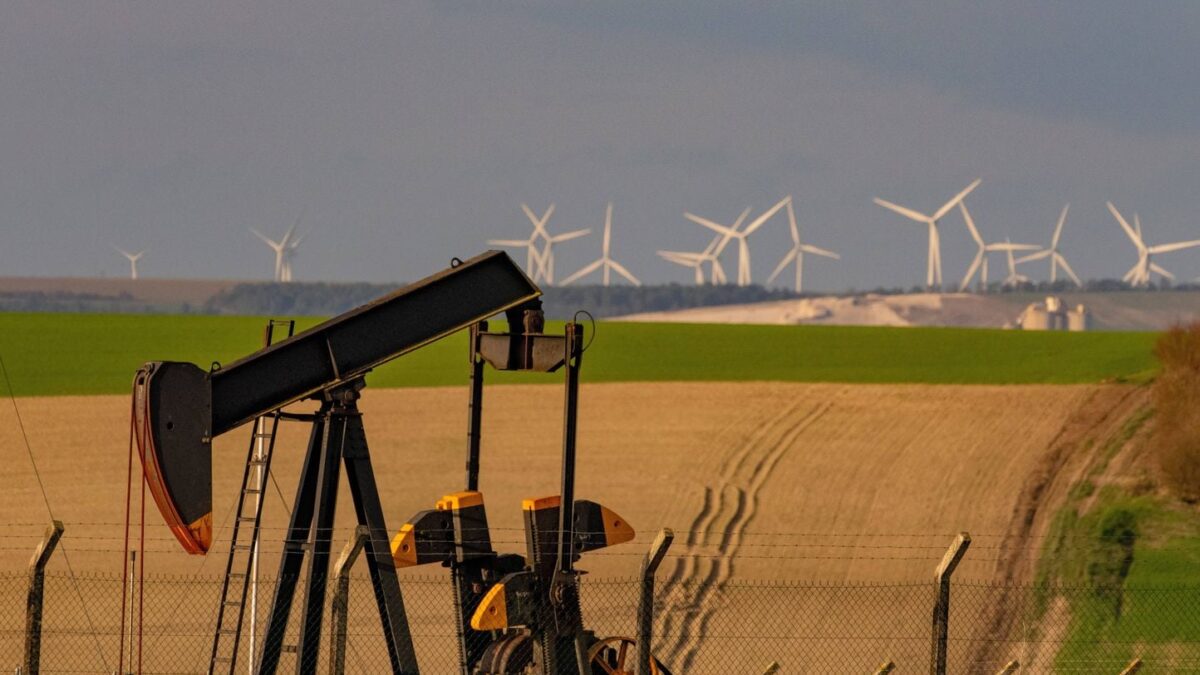
From the industrial perspective, Ufip Énergies et Mobilités, the sector’s professional union, defended the maintenance of local production without commenting directly on Le Pen’s remarks. Blandine Ruty, general secretary of the union, explained that their sole real demand is to continue maintaining existing deposits. The 2017 Hulot law, adopted two years after the Paris Climate Agreement, prohibits hydrocarbon research and exploitation in France and outlines the progressive halt of production by 2040. French domestic oil production accounts for only 1 percent of total consumption, with the remaining 99 percent imported. This production primarily stems from 64 active oil and gas fields in 2024, located mainly in the Aquitaine and Paris basins.
Ruty noted that reserves are measured across three levels based on established international standards: 1P proven, 2P probable, and 3P possible. While each company maintains its own estimates, establishing an overall national figure remains difficult. Proven and exploitable reserves through 2036 amount to 5 million tonnes, representing roughly ten years of consumption. Matthieu Auzanneau, former director of The Shift Project, stated that the potential is very uncertain, mentioning shale oil in the Paris Basin that might cover a fraction of French consumption, though confirming it would take several years.
Offshore exploration efforts have similarly yielded mixed results. In 2011, a consortium discovered oil in deep waters off French Guiana, 150 kilometers from Cayenne. However, evaluation drilling by Shell and TotalEnergies failed to confirm a commercially viable deposit. TotalEnergies leader Patrick Pouyanné noted the company spent nearly 400 million euros for a negative outcome, as hydrocarbons were found in quantities too small for commercialization. Conversely, a senator from French Guiana suggested the multinational did not push research far enough.
Discussions regarding exploration are not new. In 2025, former Overseas Minister Manuel Valls expressed a desire to open the debate on the hydrocarbon exploitation ban, which met opposition from Environmental Minister Agnès Pannier-Runacher and Energy Minister Marc Ferracci. In December 2025, Senator Georges Patient filed a text to reauthorize research and exploitation in overseas territories and Saint Pierre and Miquelon, supported by Overseas Minister Naïma Moutchou but opposed by Ecological Transition Minister Monique Barbut. The National Assembly definitively rejected the proposal in June following criticism from environmental associations.