
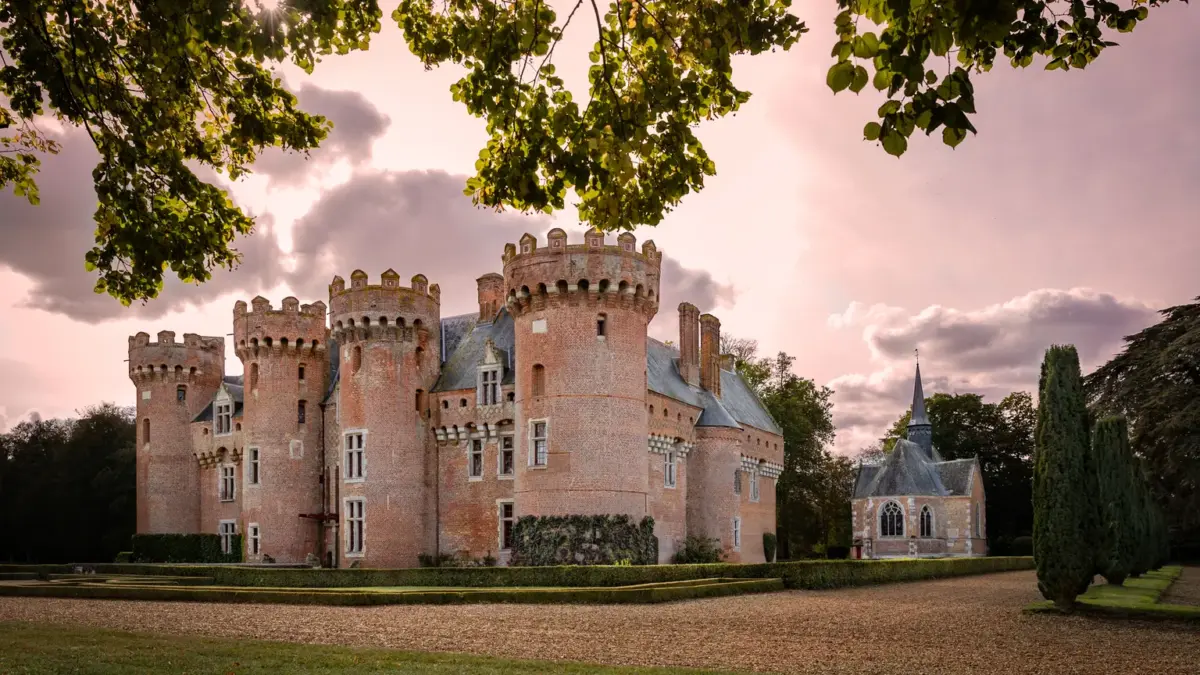
Château de Lamorlaye listed as a historic monument, Digi Mart USA News (Lamorlaye, France): Lamorlaye Mayor Nicolas Moula announced on Monday, November 2, that the château bearing the town’s name and its estate have been listed as historic monuments. He described the recognition as a way to protect this heritage.
In a Facebook post, Moula called it “a very good piece of news for our town and an important step in protecting and promoting an emblematic place of our history.” The decision was made official on September 11, roughly a year after the town applied for the listing.
The mayor said the château is the most remarkable monument in the town’s heritage and is visible from wherever one enters the town. He called it a source of pride that a municipally owned monument has received the designation, noting that it reflects the bourgeois society of the late nineteenth century.
The first part of the château, the pavilion and its two turrets, was built in 1451. The distinctive L-shaped extension was added at the end of the nineteenth century by architect Paul Ernest Sanson, dating to around 1872.
During the Second World War, in 1942, the château was occupied by the Kommandantur. It was later bequeathed to the Sisters of Maternal Charity, who later sold it, and the estate was gradually divided.
The park shrank from 49 hectares to 7 hectares.
The town bought the building back in 2004 and renovated it before partially reopening it to the public in 2016. The upper floors house cultural and event services offices, while rooms on the first and top floors are used by the music school and by local association art classes.
The château plays a central role in residents’ lives, hosting weddings as well as the town’s major municipal events, including a music festival, the July 13 fireworks display and Christmas illuminations. The 7-hectare park is open to the public year-round.
A planned rehabilitation of the orangery section will add a modern extension housing a media library and a performance hall, with completion expected by 2028. Moula said the goal is for the site to become a strong cultural hub for the town and for the wider community of communes.











