South African schools SAHRC report, Digimart Global (South Africa): The South African Human Rights Commission (SAHRC) has released its 2026 State of Schools Monitoring Report, which, according to the publisher’s account of the briefing, finds that conditions in public schools continue to deteriorate. The commission launched the report at a media briefing on Monday, 23 November, and said the findings point to infrastructure backlogs, overcrowded classrooms, inadequate sanitation and shortages of teachers and learning materials.
The report draws on visits to 173 schools across all nine provinces during the first quarter of 2026. The commission assessed infrastructure, sanitation, staffing, learning materials, school safety, scholar transport and pupil support services. While the SAHRC said most schools were operational at the start of the academic year, it described significant and recurring challenges across provinces.
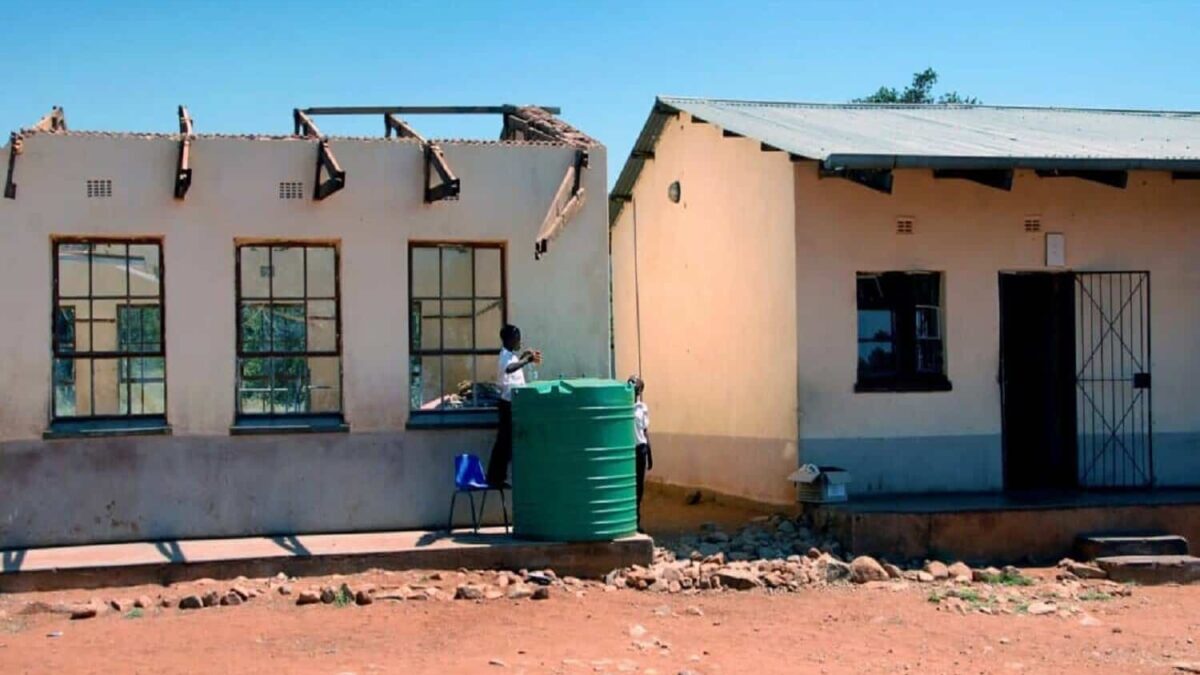
Infrastructure is the most widespread problem, with all nine provinces reporting ageing buildings, inadequate maintenance and classroom shortages. The commission said some schools in the Eastern Cape, Limpopo and KwaZulu-Natal had basic physical conditions that were an active risk to learner safety and dignity.
At Jansenville Primary School in the Eastern Cape, a building identified as hazardous was still being used for classes, while construction at Lamplough SSS stopped at foundation level after funds ran out.
Overcrowding and classroom shortages were reported in all nine provinces, with Limpopo recording some of the most severe conditions. The report also said requests for mobile classrooms, some dating back to 2022, remained unanswered, and that shortages of desks and chairs were reported in eight provinces.
Some KwaZulu-Natal students were reportedly sitting three to a desk.
Staffing instability and learning material shortages were also flagged. The commission reported educator shortages in eight provinces and said shortages of learning and teaching support material persisted in six provinces, partly because allocations are based on the previous year’s enrolment figures.
Gauteng, the Western Cape and Northern Cape were reported to have largely sufficient learning materials.
The report also highlights delays for pupils with special educational needs, with waiting periods ranging from about two months in the Western Cape to between six months and a year in Gauteng and up to three years in the Eastern Cape and Mpumalanga. Commissioner Tshepo Madlingozi said the findings revealed a troubling persistence of challenges identified in previous years and raised serious questions about the effectiveness of remedial interventions.
The SAHRC has asked the Department of Basic Education (DBE) to submit a detailed response within 60 days, outlining short-term interventions and long-term plans. Provincial education departments must also develop annual service improvement plans and submit them to the commission by 26 February 2027.